
Trees
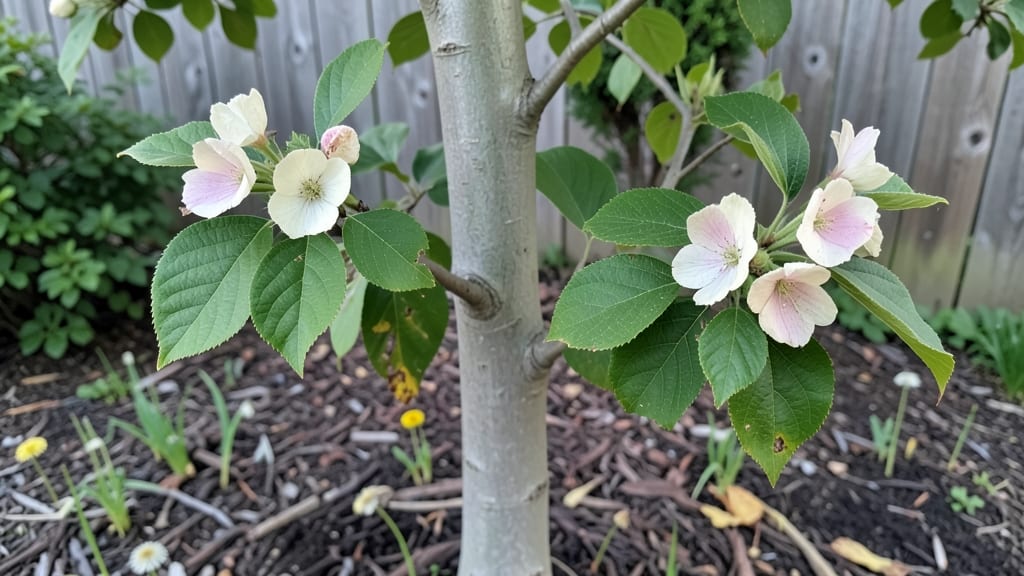
Flowering dogwood care starts with the right spot and soil—this tree won’t just survive, it’ll thrive with the right conditions. 🌿 I planted mine under a canopy of oak trees, where the dappled light keeps the leaves lush and the roots cool.
The secret isn’t complicated: well-draining soil rich in organic matter, paired with protection from harsh afternoon sun, sets the stage for those iconic spring blooms.
Watering matters most in the first two years, but don’t drown it—dogwoods hate soggy feet. A deep soak once a week (more in summer heat) keeps roots happy without inviting rot. Mulch helps too, locking in moisture and keeping weeds at bay.
Once established, they’re surprisingly low-maintenance, but that first year? Pay attention. The payoff comes when those white or pink bracts burst open in spring, followed by vibrant red berries that birds adore.
Pruning is simple: remove dead branches in late winter and thin out crowded growth to improve airflow. Avoid heavy pruning after mid-summer—you’ll risk cutting off next year’s flower buds. With the right care, your dogwood will reward you with showstopping blooms for decades.
The tree’s graceful shape and four-season interest make it a landscape star, whether planted alone or as part of a mixed border.
Pests and diseases are rare, but watch for borers and fungal spots. A quick spray of neem oil or proper spacing can prevent most issues. Here’s the thing—once you get the basics right, flowering dogwoods practically care for themselves.
That’s the beauty of a tree that’s both easygoing and stunning.
📚 In This Guide
- What you need
- Instructions
- Tips and common mistakes
- Wrapping up and next steps
What you need
- ● Flowering dogwood tree: A healthy, disease-free sapling (bare-root or potted) from a reputable nursery.
- ● Well-draining soil: A mix of native soil, compost, and perlite (or sand) for aeration.
- ● Organic mulch: 2–4 inches of shredded bark, pine straw, or wood chips (keep mulch 3–6 inches away from the trunk).
- ● Slow-release fertilizer: A balanced, 10-10-10 or 8-3-9 formula (apply in early spring and fall).
- ● Pruning tools: Bypass pruners (for small branches).
- ● Loppers (for thicker branches).
- ● Sterilizing solution (rubbing alcohol or bleach) to clean tools between cuts.
- ● Watering supplies: Garden hose with a soaker hose or drip irrigation (for deep, consistent watering).
- ● Watering can (for young seedlings).
- ○ Support stakes (optional): 2–3 wooden or metal stakes (for young trees in windy areas).
- ● Tree guard or protective wrap: To shield young bark from sun scorch or pests.
- ● Fungicide (copper-based): For prevention of anthracnose or powdery mildew (common in humid climates).
- ● Soil pH test kit: Dogwoods prefer acidic soil (pH 5.0–6.0); adjust with sulfur or peat moss if needed.
- ● Bird netting: To protect blooms from hungry birds (if you’re growing for showy flowers!).
- ● Leaf mulch: Shredded leaves from oak or maple trees (adds nutrients as they decompose).
Step-by-Step instructions for cultivating a thriving flowering dogwood
Here’s how I keep these stunning trees vibrant from bud to bloom, season after season.
🌱 Step 1: Plant in the Right Spot with Proper Soil
Flowering dogwoods thrive in partial shade—think 4-6 hours of morning sun and afternoon shade. I always choose a location with well-draining soil and slightly acidic pH (6.0-6.5). These trees hate soggy roots, so avoid low spots where water pools after rain.
Dig a hole twice as wide as the root ball but no deeper. Loosen the roots gently if they’re circling—this encourages outward growth. Mix the topsoil you removed with 2 inches of compost to give it a nutrient boost right from the start. The tree’s first year is critical for establishing strong roots.
💧 Step 2: Water Deeply and Mulch for Moisture Retention
After planting, water deeply—enough to saturate 12 inches of soil. You’ll know it’s right when water runs out the drainage holes if planted in a container, or when the top 6 inches feel damp if in the ground. I water twice weekly for the first month, then taper to once a week once established, adjusting for heatwaves.
Spread 3 inches of mulch (like shredded bark) around the base, keeping it 6 inches away from the trunk. This locks in moisture, regulates soil temperature, and suppresses weeds. Replenish mulch annually—it breaks down over time. The key here is consistency: dogwoods are drought-tolerant but bloom best with steady moisture.
☀️ Step 3: Prune for Shape and Health in Late Winter
Prune just after the blooms fade (late spring) or in late winter before buds swell. Remove dead, crossing, or rubbing branches first—these compete for energy and can invite disease. I also thin out 10-15% of the canopy to improve airflow, which prevents fungal issues like powdery mildew.
Never prune in fall—new growth won’t harden off before winter. If you must shape, do it gradually over 2-3 years to avoid stressing the tree. Dogwoods bloom on old wood, so avoid heavy pruning that removes next year’s flower buds. Think of it as sculpting, not shearing.
✂️ Step 4: Fertilize Lightly and Monitor for Pests
Feed once in early spring with a balanced 10-10-10 fertilizer (use half the recommended dose). Over-fertilizing leads to weak blooms and attracts pests. I scatter granules 6 inches from the trunk and water them in immediately. Dogwoods are light feeders—too much nitrogen means fewer flowers.
Watch for dogwood borers (tiny holes in bark) or anthracnose fungus (black spots on leaves). If you spot issues, treat with neem oil for borers or fungicide for anthracnose. Healthy trees are resilient, but early action prevents spread. I inspect leaves monthly during growing season—prevention is easier than cure.
🪴 Step 5: Winterize for Cold Hardiness
Dogwoods handle USDA Zones 5-9, but younger trees need extra care. In Zone 5, wrap the trunk with burlap or tree guard to protect from sunscald and rodent gnawing. I also water deeply before the ground freezes—moist soil insulates roots better than dry soil.
Mulch 4-6 inches deep in fall to shield roots from temperature swings. Avoid heavy mulch piles against the trunk, though—keep it 2-3 inches away to prevent rot. In spring, remove mulch gradually as new growth appears. The goal is to mimic natural conditions: gradual thaw, not sudden shock.
Tips & tricks for perfect flowering dogwood care
A few key insights that'll help your dogwood thrive year after year without the guesswork.
Location is everything: That 4-6 hours of morning sun in Step 1 is non-negotiable for vibrant blooms. I've seen dogwoods in full afternoon shade still produce flowers, but they'll be fewer and less vibrant. If your yard only gets afternoon sun, consider planting near a north-facing wall or under taller trees that provide dappled shade. The slightly acidic soil (6.0-6.5 pH) is equally crucial—test your soil before planting and amend with sulfur if needed. I've had clients swear their dogwoods weren't thriving until we fixed the pH.
Watering wisdom: The deep watering in Step 2 (12 inches of soil saturation) is where most people go wrong. I recommend installing a moisture meter near your dogwood—when it reads dry at 12 inches, that's your watering cue. For containers, let water run out the drainage holes completely before stopping. During heatwaves, I increase to three times weekly until the tree shows signs of recovery. The key visual cue is the leaves: they should stay firm and green, not wilted or yellowing.
Pruning precision: When thinning 10-15% of the canopy in Step 3, focus on removing branches that cross or rub against each other. These create wounds that invite disease. I always make cuts just outside the branch collar—the swollen area where the branch meets the trunk. This promotes faster healing. For shaping, use hand pruners for small branches and loppers for anything thicker than your thumb. The gradual approach over 2-3 years prevents shock and maintains that natural, sculpted look dogwoods are known for.
Pest prevention: That monthly leaf inspection in Step 4 is your best defense against dogwood borers and anthracnose. I keep a small magnifying glass handy—early detection is everything. For borers, I've had success with a simple homemade treatment: mix equal parts water and rubbing alcohol, then spray directly on the holes. For anthracnose, I rotate between neem oil and a copper fungicide every other application to prevent resistance. The goal is to catch issues before they spread—healthy leaves mean fewer problems down the road.
Pro Tips for Flowering Dogwood Care
- A few key insights that'll help your dogwood thrive year after year without the guesswork.
- Location is everything: That 4-6 hours of morning sun in Step 1 is non-negotiable for vibrant blooms.
- Watering wisdom: The deep watering in Step 2 (12 inches of soil saturation) is where most people go wrong.
Frequently asked questions
Got questions about keeping your flowering dogwood thriving? Here are answers to some of the most common concerns—straight from fellow gardeners and experts!
When is the best time to plant a flowering dogwood?
The ideal planting window is early fall (September to October) or late winter (February to early March). Planting in fall lets roots establish before spring growth, while late winter avoids summer heat stress. Avoid planting in peak summer—the hot, dry conditions can shock new plants!
How often should I water my flowering dogwood?
Newly planted dogwoods need 1–2 inches of water per week, including rainfall. Once established (after 1–2 years), they’re drought-tolerant but prefer consistent moisture. Water deeply every 1–2 weeks during dry spells, focusing on the root zone. Mulch helps retain moisture—just keep it 4–6 inches away from the trunk!
Should I prune my flowering dogwood, and if so, when?
Pruning is rarely needed—dogwoods bloom on old wood, so heavy pruning can reduce flowers. If pruning is necessary, do it immediately after flowering (late spring to early summer) to shape the tree or remove dead branches. Avoid pruning in late summer or fall, as it may encourage new growth vulnerable to winter freeze.
Why are my dogwood leaves turning yellow or brown?
Yellow leaves often signal overwatering, nutrient deficiency, or fungal issues. Check soil moisture—dogwoods dislike soggy roots. Brown edges or spots could mean powdery mildew (a common fungal problem) or pesticide damage. For mildew, improve airflow and apply fungicide if needed. Test soil pH (acidic, 5.0–6.0, is ideal) and amend with compost if needed!
What’s a good alternative if flowering dogwoods don’t work in my yard?
If your climate is too hot (zones below 6) or your soil is alkaline, consider these stunning alternatives:
- Oriental Fringe Flower (Loropetalum chinense) – Thrives in heat and acidic soil, with delicate purple blooms.
- Japanese Pieris (Pieris japonica) – Evergreen with cascading clusters of white flowers.
- Redbud (Cercis canadensis) – Early spring bloomer with heart-shaped leaves.
Wrapping up and next steps
Caring for your flowering dogwood is a rewarding journey that brings stunning blooms and lush greenery to your landscape.
By following the right watering, pruning, and soil management techniques—and staying vigilant against pests and diseases—you’ll enjoy vibrant growth for years to come. 🌸 With patience and consistency, your dogwood will thrive as a standout feature in your garden.
Ready to see your tree flourish? Start by assessing its current needs—whether it’s adjusting your watering schedule, trimming overgrown branches, or enriching the soil. Small steps today lead to big rewards tomorrow!