
Trees
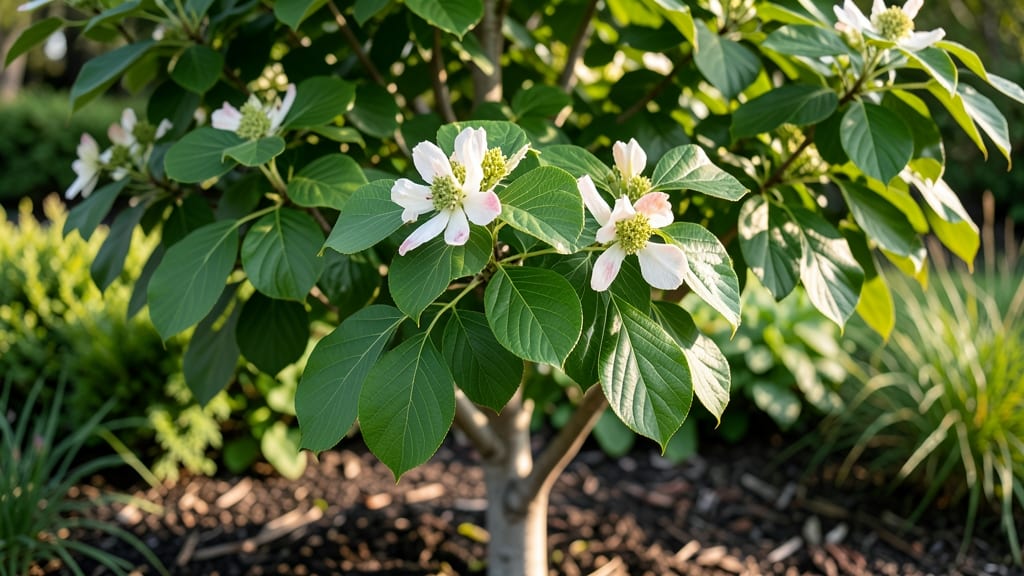
The flowering dogwood growth rate is steady but deliberate, with the tree gaining just 1-2 feet per year until it reaches its majestic mature height of 20-40 feet.
If you’ve planted one but are wondering how long it will take to reach its full beauty, you’re not alone—this slow-growing stunner requires patience but delivers breathtaking results.
Under ideal conditions—like well-draining soil and partial shade—your dogwood could hit 10 feet in a decade, but rushing it with heavy fertilization or overwatering can backfire.
Below, I’ll break down the exact growth milestones by year, plus pro tips to help your tree thrive without sacrificing its natural elegance.


Flowering dogwood growth rate by age: height & spread progression chart
Understanding your flowering dogwood's growth rate helps set realistic expectations for this stunning ornamental tree. Known for its slow-and-steady growth, dogwoods reward patience with vibrant spring blooms and year-round interest.
In ideal conditions, a dogwood can reach its mature height of 20-40 feet within 15-20 years, though many gardeners enjoy their beauty long before full maturity.
The first few years are critical for establishing a strong root system. During this phase, your dogwood will focus more on root development than vertical growth, which is why you might see only 2-4 feet of height gain in year one.
This slow start is normal and ensures long-term stability. Proper soil preparation and watering consistency during these early years directly impact how quickly your tree will grow once it enters its rapid growth phase.
Here’s how your flowering dogwood’s height and spread progress by age under typical garden conditions:
While the chart above shows average growth rates, several factors can accelerate or slow your dogwood’s progression. Sunlight exposure plays a crucial role—dogwoods thrive in partial shade (3-6 hours of sunlight daily) but may grow slower in full sun due to stress.
In USDA Zones 5-8, where dogwoods are most commonly grown, optimal conditions yield the fastest growth.
Soil quality is another game-changer. Dogwoods prefer well-draining, slightly acidic soil (pH 4.5-6.0). Amending heavy clay with compost or organic matter can improve growth rates by up to 30%. Conversely, waterlogged or alkaline soils stunt growth and increase disease risk. Before planting, test your soil and adjust as needed to create the ideal environment.
Your dogwood’s watering habits also impact its growth speed. Young trees need consistent moisture during their first few years, especially in drought-prone areas. Deep watering 1-2 times per week encourages deeper root growth, which translates to faster height and spread gains.
Once established (after 3-5 years), dogwoods become more drought-tolerant but still benefit from regular deep water
How to speed up flowering dogwood growth naturally (without compromising health)
Your flowering dogwood may grow slowly, but with the right care, you can give it a gentle nudge toward faster, healthier growth without stressing the tree. The key is to mimic its natural habitat—moist, well-draining soil and dappled shade—while avoiding common mistakes like over-fertilizing or improper pruning.
Think of your dogwood as a delicate ballet dancer: too much pressure, and it stumbles. Too little, and it never reaches its full potential. The goal is to create the perfect balance of nutrients, hydration, and light to encourage steady, natural growth.
Let’s dive into the actionable steps that will help your tree thrive.
5 Key Strategies to Boost Flowering Dogwood Growth
- 🌱 Amend soil with compost or aged manure (3-4 inches deep) at planting to improve drainage and nutrient retention.
- 💧 Water deeply 1-2 times per week during the first year, ensuring the soil stays moist but not soggy—dogwoods hate "wet feet."
- ☀️ Provide morning sun and afternoon shade; avoid harsh afternoon rays that can scorch tender leaves.
- ✂️ Prune in late winter to remove dead or crossing branches, but avoid heavy pruning—this stresses the tree.
- 🌿 Apply a 2-3 inch mulch layer of wood chips or pine straw around the base (keep mulch 3 inches away from the trunk to prevent rot).
One of the biggest mistakes gardeners make is over-fertilizing. A light feeding of balanced 10-10-10 fertilizer in early spring is enough—too much nitrogen can lead to leafy growth at the expense of flowers. Instead, focus on organic matter like compost, which improves soil structure over time.
Timing is everything when it comes to watering. Young dogwoods need consistent moisture, especially during their first two years. Water deeply in the morning to reduce evaporation and fungal risks. Once established, they’re more drought-tolerant, but don’t let the soil dry out completely—this can stunt growth.
If your dogwood is struggling, check for signs of compacted soil or poor drainage. Amending the soil with sand or perlite can help, but avoid heavy amendments like clay, which can suffocate roots.
A simple soil test will tell you if your tree needs more phosphorus for roots or potassium for overall health.
Remember, rushing a flowering dogwood’s growth can backfire. The goal isn’t to create a giant tree overnight but to set it up for long-term health and stunning blooms.
With these natural methods, you’ll see steady progress—think of it as investing in a tree that will reward you for decades with show-stopping spring flowers and vibrant fall foliage. 🌸