
Trees
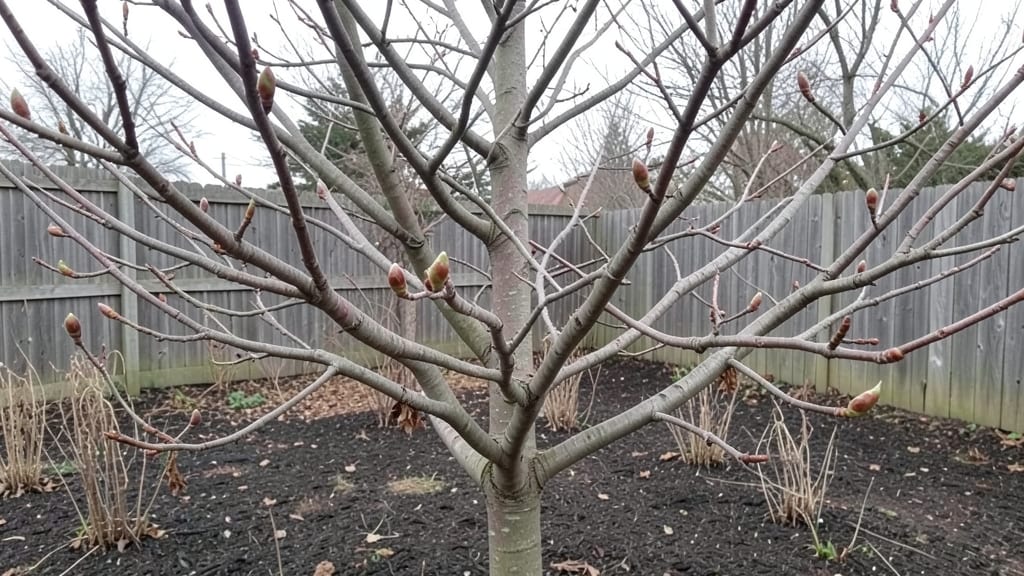
Your flowering dogwood 🌸 in winter can still steal the show—its exfoliating bark and graceful branches add texture to bare landscapes when most plants fade away.
Winter doesn’t have to mean dull landscapes—your flowering dogwood can become a standout focal point with the right care, showcasing its stunning bark and dormant beauty.
Cold weather forces dogwoods into dormancy, but that doesn’t mean they’re helpless. With a few smart adjustments—like mulching, pruning, and protecting against frost—you’ll keep them thriving until spring blooms return.
Below, I’ll walk you through how to prepare your dogwood for winter, spot early signs of stress, and even turn its bare branches into a seasonal highlight.
How to care for flowering dogwood trees during winter months
Winter care for your flowering dogwood is all about preparing it for dormancy while protecting it from harsh conditions. Unlike spring or summer, winter maintenance focuses on minimal watering, proper mulching, and strategic pruning to ensure vibrant regrowth when spring arrives.
The key is balancing protection with natural processes—dogwoods are hardy but still need your support to thrive through cold months.
One common misconception is that dormant trees require no attention, but that’s far from true. Your dogwood’s bark and root system still need protection from freezing temperatures and winter winds.
By following a few simple steps, you’ll set the stage for stunning spring blooms and healthy growth. Let’s dive into the essential winter care tasks tailored specifically for flowering dogwoods.
Step 1: Adjust Watering for Winter Dormancy
Reduce watering to once a month or only when soil is completely dry. Overwatering in winter can lead to root rot in cold, saturated soil. Focus on deep but infrequent watering to encourage strong root development for spring.
Step 2: Apply Mulch for Insulation
Spread a 3-4 inch layer of mulch around the base of your dogwood, keeping it 6 inches away from the trunk. Use organic mulch like shredded bark or pine straw to insulate roots and retain moisture. This protects against temperature fluctuations and soil heaving.
Step 3: Prune Dead or Damaged Branches
Late winter (after last frost) is ideal for pruning. Remove any dead, diseased, or crossing branches using clean, sharp pruners. Avoid heavy pruning—stick to 10-15% of the canopy to maintain the tree’s energy reserves for spring blooms.
Step 4: Protect Against Winter Burn
Apply a light layer of anti-desiccant spray (like horticultural oil) to young or newly planted dogwoods to prevent winter burn. This creates a protective barrier against drying winds and freezing temperatures, especially in exposed areas.
Step 5: Monitor for Pest Activity
Inspect your dogwood for dogwood borers or scale insects, which can overwinter in bark crevices. If you spot signs like sawdust-like frass or sticky residue, treat with neem oil or insecticidal soap in early spring before pests become active.
Proper mulching techniques are critical during winter. A thick layer of mulch acts like a blanket, shielding roots from extreme cold while also preventing soil from freezing. I’ve found that pine straw works exceptionally well for dogwoods because it allows moisture to penetrate while insulating the soil.
Just be sure to refresh the mulch layer every year to maintain its effectiveness.
When it comes to pruning guidelines, timing is everything. Late winter pruning—right after the last frost date—gives your dogwood time to heal before new growth begins. I always use sterilized pruners to avoid introducing diseases.
If you notice any cankers or discolored branches, prune those out immediately to keep the tree healthy. Remember, dogwoods bloom on old wood, so avoid heavy pruning that could reduce next year’s flowers.
Another pro tip: If you live in an area with extreme winter conditions (USDA Zone 5 or colder), consider wrapping the trunk of young dogwoods with tree wrap or burlap).
This prevents sun scald, which can occur when winter sun warms the bark, followed by a sudden freeze. A simple layer of protection can make a huge difference in survival rates.
Don’t forget to check for signs of stress throughout the winter. If you notice peeling bark, oozing sap, or unusual wilting in early spring, it could indicate root damage or disease. Addressing these issues early ensures your dogwood recovers quickly once temperatures rise.
With the right winter care, your flowering dogwood will reward you with vibrant spring blooms and a sturdy structure for years to come.
Winter care might seem like a low-energy task, but it’s the foundation for a healthy, resilient dogwood. By following these steps—adjusting watering, mulching properly, and pruning strategically—you’ll give your tree the best chance to shine when spring arrives.
Your efforts now will pay off in stunning dogwood blossoms and lush foliage come next season.
Identifying and enhancing dogwood bark for winter interest
Your flowering dogwood may lose its showy blooms in winter, but its exfoliating bark becomes a stunning natural feature. The cinnamon-brown peeling layers create texture and warmth that elevates your winter garden. With a few intentional strategies, you can transform this dormant phase into a visual highlight.
First, learn to identify healthy bark versus damaged areas. Healthy bark has tight, smooth sections with uniform peeling patterns, while cracked or flaking bark signals stress. Understanding these differences helps you preserve the tree’s natural beauty while addressing potential issues early.
- 🌳 Bark Texture: Exfoliating layers reveal cinnamon-brown hues and smooth patches—highlight these with backlighting.
- 🪴 Pruning Tips: Remove dead branches in late winter to expose fresh bark and improve airflow.
- 💡 Lighting Trick: Install upward-facing LED lights near the trunk to enhance bark contrast after dark.
- 🌿 Companion Plants: Pair with evergreen shrubs (e.g., inkberry holly) to frame the bark’s textural appeal.
- ✂️ Thinning Strategy: Lightly thin dense branches to showcase bark patterns without harming the tree.
Strategic pruning in late winter (February-March) is key to enhancing bark visibility. Focus on removing crossing branches or dead wood—this not only improves airflow but also reveals the smooth, younger bark underneath. Use sterilized pruners to make clean cuts just outside the branch collar.
Companion planting can further elevate your dogwood’s winter appeal. Choose evergreens with contrasting textures, like boxwoods or hemlocks, to create a layered look. These plants provide year-round interest while allowing the dogwood’s bark to stand out as the focal point.
For an extra touch of magic, incorporate seasonal lighting. Solar-powered spotlights or string lights wrapped around the trunk can cast dramatic shadows that highlight the bark’s natural patterns. Just ensure wires are weatherproof and securely fastened.
With these techniques, your flowering dogwood will remain a year-round garden star, proving that winter dormancy can be just as beautiful as spring blooms. 🌿