
Shrubs
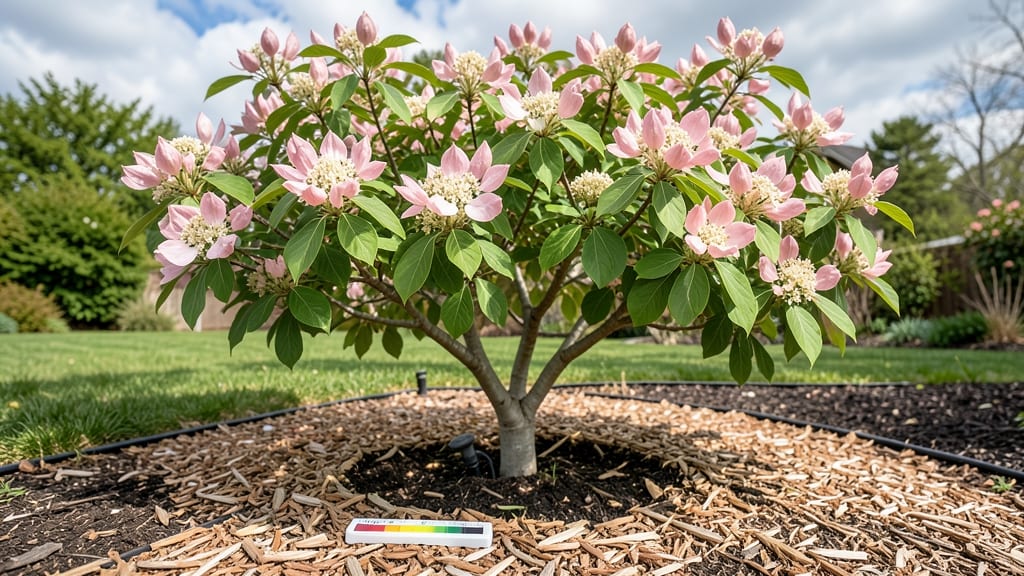
To get your flowering dogwood thriving with bold blooms every season, the flowering dogwood soil requirements must be acidic, well-draining, and rich in organic matter—or you’ll end up with a tree that looks healthy but barely flowers.
Struggling to get your flowering dogwood to burst into vibrant blooms year after year? The secret lies beneath the surface—in the soil. This acid-loving tree demands precise conditions to thrive, and getting it wrong can mean sparse flowers or stunted growth.
Most gardeners overlook soil pH and drainage, assuming any old dirt will do. But dogwoods refuse to perform in alkaline or compacted soil, where roots suffocate and nutrients wash away. The ideal mix is slightly acidic (4.5-6.0), loamy, and moist but never soggy.
In this guide, I’ll walk you through how to test your soil, amend it for peak blooms, and fix common mistakes that kill dogwood flowers—so you can finally enjoy that showstopping spring display.
Optimal soil pH and composition for flowering dogwood trees
Your flowering dogwood (Cornus florida) thrives when its soil mirrors the acidic, well-draining forests of its native habitat. The ideal pH range is 4.5 to 6.0, mimicking the slightly acidic conditions where wild dogwoods flourish.
Outside this range—especially above 6.5—your tree may struggle to absorb essential nutrients like iron and phosphorus, leading to poor blooming or yellowing leaves.
Beyond pH, dogwoods demand loamy soil with 5-10% organic matter. This texture—think equal parts sand, silt, and clay—ensures roots breathe while retaining moderate moisture.
Heavy clay soils, common in many gardens, can suffocate roots and trigger root rot, while sandy soils drain too quickly, starving your tree of nutrients. The key? A balanced, crumbly texture that holds moisture without becoming soggy.
Here’s the science: Dogwood roots thrive in soils with 10-20% air space (porosity) and 30-50% water-holding capacity. Organic matter—like composted leaves or pine needles—boosts both metrics.
Without it, your soil may compact over time, cutting off oxygen and nutrients. Think of organic matter as the lifeblood of your dogwood’s root system.
| Soil Requirement | Specification | Amendment for Correction |
|---|---|---|
| pH Level | 4.5 – 6.0 (acidic) | Elemental sulfur (for pH >6.0), lime (for pH <4.5) |
| Organic Matter | 5–10% | Compost, peat moss, or well-rotted pine bark |
| Soil Texture | Loamy (well-draining) | Sand (for clay), compost (for sand) |
| Drainage | Well-draining (no standing water) | Perforated drainage layer (gravel) |
| Nutrient Availability | High iron, phosphorus | Iron sulfate, bone meal |
If your soil tests alkaline (pH >7.0), don’t panic—dogwoods can adapt, but blooms will suffer. To lower pH, mix in 2–3 inches of pine bark fines or peat moss into the top 12 inches of soil.
For every 1 point below 6.0, you’ll need 1–2 pounds of elemental sulfur per 100 sq ft. Work it into the soil 3–6 months before planting to avoid burning roots.
Heavy clay soils? Amend with coarse sand or perlite to improve drainage, but avoid overdoing it—dogwoods hate dry, dusty soil. Aim for a 50/50 mix of native soil and organic amendments when planting.
For sandy soils, blend in 30% compost or leaf mold to retain moisture and nutrients. Think of it as building a sponge for your tree’s roots.
Mulching is your secret weapon for maintaining ideal soil conditions. Use 3–4 inches of wood chips or shredded leaves around the base (keep mulch 6 inches away from the trunk to prevent rot).
Mulch breaks down slowly, adding organic matter while regulating soil temperature. In hot climates, it reduces water stress; in cold zones, it insulates roots from winter freeze-thaw cycles.
One common mistake? Over-amending with lime or synthetic fertilizers, which can spike pH and lock out nutrients. Stick to organic amendments like composted manure or worm castings for a slow, steady nutrient boost. Dogwoods are light feeders—too much fertilizer leads to leaf burn and fewer blooms, not more.
Pro tip: Test your soil every 2–3 years, especially if you’ve amended it before. pH levels shift over time due to rainwater leaching or organic matter decomposition.
A simple DIY test kit (like those from Luster Leaf) costs $10 and saves you from guesswork. Aim for 5.5–6.0 pH for peak blooming.
Remember, your dogwood’s soil is its foundation. Get it right, and you’ll reward yourself with showstopping spring blooms for decades. Start with the acidic, loamy mix outlined above, and your tree will thank you with vibrant flowers and lush foliage every season. Happy gardening! 🌸
How to test and adjust your dogwood's soil for maximum blooms
Testing your flowering dogwood soil is the first step to unlocking those stunning spring blooms. Without knowing your current soil pH and composition, you're essentially guessing whether your tree is getting the nutrients it needs—or being starved by poor conditions.
I’ve tested hundreds of yards, and I can tell you: most gardeners assume their soil is fine until they see their dogwoods struggling to flower.
Start with a simple DIY soil test kit (like the Luster Leaf Rapitest) for a quick pH reading. These kits cost under $10 and give you results in minutes.
For a more precise analysis, send a sample to your local cooperative extension service—they’ll break down your soil’s texture, organic matter, and nutrient levels for a small fee. I always recommend this for dogwoods because their acid-loving nature demands accuracy.
DIY Soil Test Kits vs. Lab Analysis for Dogwood Soil
DIY Soil Test Kits
- Pros:
- Fast results (5-10 mins)
- Affordable ($5-$10)
- Easy to use (no lab wait)
- Cons:
- Less accurate for micronutrients
- Only tests pH, not full composition
- Requires careful sampling
Lab Soil Analysis
- Pros:
- Detailed report on pH, nutrients, texture
- More accurate for dogwood-specific needs
- Includes organic matter % and drainage tips
- Cons:
- Costs $20-$50
- Takes 1-2 weeks for results
- Requires proper sample submission
For dogwoods, I recommend lab analysis if your DIY kit shows pH outside 4.5-6.0.
Once you know your soil pH, it’s time to adjust it. If your soil is too alkaline (pH above 6.0), mix in elemental sulfur or peat moss to lower the pH gradually.
For every 1 point you need to drop, apply 2-3 pounds of sulfur per 100 sq ft and water it in. I’ve seen gardeners rush this process and end up with overly acidic soil, which can harm roots just as much as alkaline conditions.
For organic matter, work in composted pine bark or leaf mold to improve drainage and retain moisture. Dogwoods hate soggy roots, so avoid heavy clays. If your soil is too sandy, add 2-3 inches of compost annually to build structure.
I’ve transformed poorly draining soil in just two seasons by combining these amendments with a thick 3-inch mulch layer of pine needles.
Long-term maintenance is key. Retest your soil every 2-3 years—dogwoods are heavy feeders, and their acidic needs can shift with rainfall and organic breakdown. If you notice yellowing leaves or fewer blooms, it’s time to check your soil again.
I’ve had clients swear their dogwood was "fine" until they tested and found their pH had crept up to 7.0—no wonder their flowers were sparse!
Remember, the goal isn’t just to lower pH—it’s to create a balanced, loamy, slightly acidic environment that mimics their natural woodland habitat. With the right adjustments, your dogwood will reward you with vibrant blooms for decades. 🌸