
Shrubs
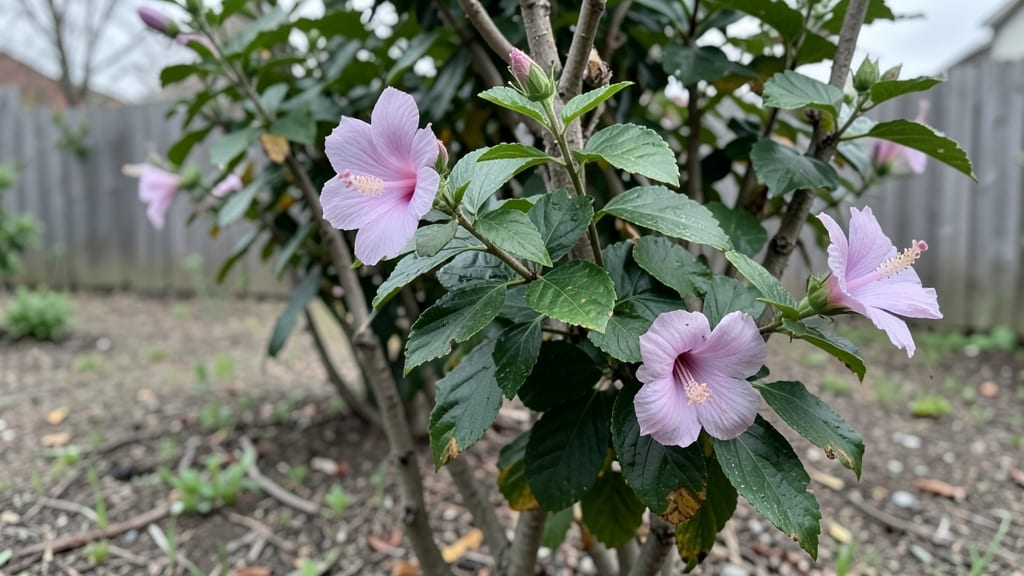
Growing a flowering hibiscus bush 🌸 means turning your garden into a tropical paradise—if you know the right tricks.
Imagine a hibiscus bush bursting with vibrant blooms year after year—this isn’t just a dream, but a reality with the right pruning techniques. The secret to maximizing your flowering hibiscus bush lies in understanding its growth cycles and strategic trimming.
In Zone 6, where spring planting begins in April, the key to bold blooms starts with proper care. From soil prep to sunlight needs, every step matters—especially when it comes to pruning at the right time.
Below, I’ll walk you through the year-round schedule that keeps your hibiscus thriving, from shaping it for better air flow to avoiding common pruning mistakes that can kill those stunning flowers.
Year-round pruning schedule for maximum hibiscus blooms
A flowering hibiscus bush thrives when you prune it strategically throughout the year. Unlike many plants that bloom once and stop, hibiscus can produce continuous flowers if you follow a seasonal pruning schedule.
The key is balancing growth stimulation and shape maintenance while avoiding over-pruning, which can stress the plant and reduce blooms.
Pruning isn’t just about cutting back—it’s about encouraging new growth in the right places. For example, cutting back old wood in late winter promotes fresh, flower-bearing stems, while light pruning during summer keeps the bush compact and airy.
Let’s break down the seasonal tasks to keep your hibiscus blooming like a pro.
Seasonal Pruning Steps for Flowering Hibiscus
-
Late Winter (Before New Growth)
Cut back dead or diseased branches to 1/3 of their size. Remove old wood (branches older than 3 years) to encourage new flowering stems. -
Early Spring (After Last Frost)
Shape the bush by trimming overcrowded branches to improve air circulation. Pinch back new growth tips to promote bushier growth. -
Summer (During Blooming Season)
Remove spent blooms daily to encourage new flower production. Lightly trim long, leggy branches to maintain shape. -
Early Fall (Before Heavy Rains)
Prune weak or crossing branches to prepare for winter. Avoid heavy pruning—focus on cleaning up the bush. -
Winter (Dormant Season)
Minimal pruning—only remove dead or broken branches. Avoid pruning in freezing temps to prevent disease entry.
When pruning your hibiscus bush, always use clean, sharp pruners to make clean cuts. Avoid leaving stubs or jagged edges, as these can attract pests or diseases. Sterilize your tools with rubbing alcohol between cuts to prevent the spread of pathogens.
One common mistake is over-pruning in spring, which can reduce the number of blooms. Instead, aim for moderate cuts—never remove more than 1/3 of the plant’s foliage at once. This ensures your hibiscus has enough leaves to photosynthesize and support new growth.
For optimal sunlight exposure, prune to create an open, vase-like shape. This allows sunlight to penetrate the center of the bush, where new blooms often form.
Avoid heavy pruning on the south or west sides of the plant, as these areas receive the most sunlight and drive growth.
In USDA Zone 6 or warmer, hibiscus can bloom year-round with proper care. If you’re in a cooler climate, focus on spring and summer pruning to maximize blooms before the first frost. Always prune after a cold snap to avoid damaging tender new growth.
Pro tip: Deadhead flowers regularly during the blooming season. This simple task—removing faded blooms—triggers the plant to produce more flowers instead of setting seed. Use your fingers or small pruners for spent blooms to keep the process quick and easy.
Finally, mulch around the base after pruning to retain moisture and regulate soil temperature. A 2-3 inch layer of organic mulch (like shredded bark) also suppresses weeds and keeps roots cool during hot summers.
With this year-round pruning schedule, your flowering hibiscus bush will reward you with bold, continuous blooms that turn heads all season long. 🌸
How to identify and prune different hibiscus growth stages
Pruning your flowering hibiscus bush isn't just about cutting back—it's about understanding its growth stages. Each type of stem responds differently to pruning, and knowing the visual cues can transform your bush from a sparse bloomer to a flowering powerhouse.
The key lies in recognizing new growth, flowering stems, and dead wood, each requiring a unique approach.
Start by examining your hibiscus with a critical gardener's eye. New growth appears as tender, light green shoots with soft, fuzzy leaves. These are your growth engines—pinching them back encourages bushier, more robust branches.
Meanwhile, flowering stems are thicker with woody texture and bear buds or blooms. Dead wood, on the other hand, is brown, brittle, and often lacks leaves or shows cracks.
| Growth Stage | Visual Cues | Pruning Technique | Best Time |
|---|---|---|---|
| New Growth | Light green, soft, fuzzy leaves | Pinch back tips to encourage branching | Spring to early summer |
| Flowering Stems | Thick, woody, bud-bearing branches | Remove spent blooms just above leaf node | After blooming season |
| Dead Wood | Brown, brittle, no leaves | Cut back to healthy green growth | Late winter or early spring |
For new growth, use your fingers or clean pruners to pinch back the tips of soft, green shoots. This technique, called tip pruning, signals the plant to produce more branches, resulting in a fuller, bushier hibiscus.
Aim to do this in early spring when new shoots emerge, and repeat every 4-6 weeks during the growing season.
When it comes to flowering stems, the goal is to remove spent blooms promptly. After a flower fades, snip the stem just above a leaf node (the point where leaves attach).
This encourages the plant to produce new buds and prolongs the blooming season. Always use sterilized pruners to avoid spreading disease between cuts.
Don’t overlook dead wood, which can drain energy from your hibiscus. In late winter or early spring, inspect your bush and cut back any brown, brittle branches to the nearest healthy green growth.
This not only improves air circulation but also redirects the plant’s energy toward new, vibrant growth.
Remember, pruning isn’t one-size-fits-all. Adjust your approach based on your hibiscus’s variety and climate. In warmer regions, you might prune more aggressively, while cooler climates benefit from lighter trims. With practice, you’ll develop an intuitive sense for what your hibiscus needs—leading to bold, year-round blooms.
🌸