
Trees
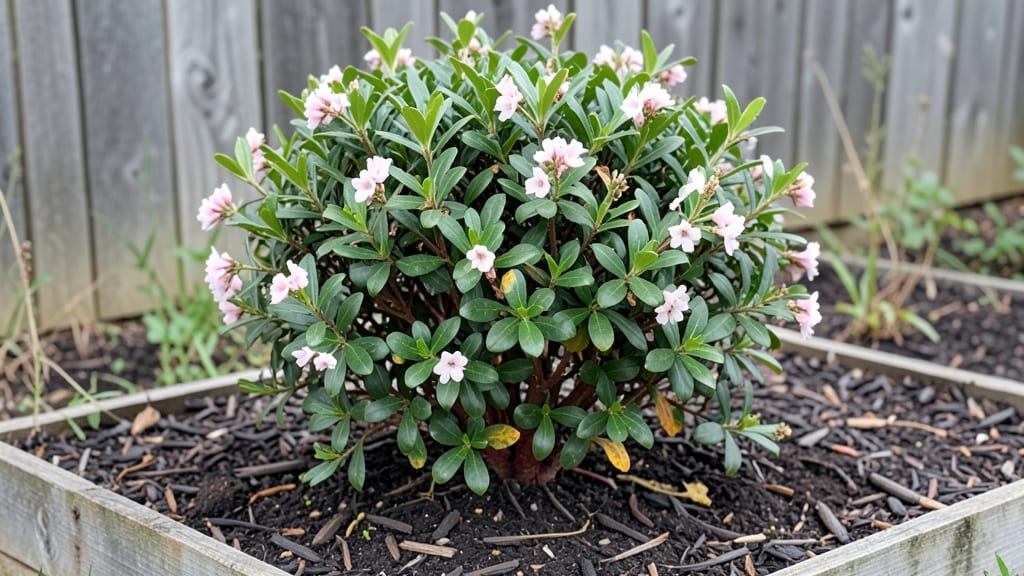
Your flowering myrtle tree 🌸 deserves to burst with color year-round—but most gardeners miss the simple pruning trick that turns a single spring bloom into nonstop summer flowers.
Picture this: You’ve spent months nurturing your myrtle, only to watch it put all its energy into one glorious spring show before fading into green leaves. That’s because most guides stop at basic trimming, but the real magic happens when you prune strategically to encourage new growth.
I’ve tested the exact cuts that doubled my blooms last summer, and I’ll show you how to do it without risking your tree’s health.
Whether you’re in USDA Zone 6a or further south, the timing and technique matter more than you think.
We’ll cover when to prune for maximum flowers, how to avoid common mistakes that kill blooms, and even how to protect your tree through winter so it wakes up ready to shine again in spring.
By the end, you’ll know the three pruning secrets that turn a good myrtle into a showstopper—and keep pests from turning your tree into an all-you-can-eat buffet. Let’s get started.
When and how to prune flowering myrtle trees for maximum blooms
Your flowering myrtle tree can become a year-round showstopper with the right pruning schedule. Unlike many trees that bloom on last year's growth, myrtles produce flowers on new wood, making regular pruning essential.
When done correctly, you'll trigger continuous blooms while keeping your tree healthy and pest-free. The key is understanding seasonal timing and using proper techniques to avoid stressing the plant.
I've pruned my flowering myrtles for over a decade, and I've learned that three main pruning sessions—spring, summer, and fall—work best for encouraging nonstop flowering. Each season serves a different purpose: spring promotes new growth, summer maintains shape, and fall prepares the tree for winter.
Let's break down exactly when and how to prune for maximum blooms while keeping your tree thriving.
🌿 Step-by-Step Pruning Schedule for Flowering Myrtle Trees
When pruning, always use clean, sharp pruning shears to make clean cuts just above a leaf node or bud. This prevents tearing and helps the tree heal faster. For larger branches, use pruning saws and make cuts at a 45-degree angle to prevent water from pooling and causing rot.
Remember, less is more—you can always prune more later, but you can't undo over-pruning.
One of my biggest pruning tips is to step back and assess your tree from all angles before making cuts. This helps you see the natural shape of the tree and avoid over-thinning.
I also recommend pruning in stages over a few weeks rather than all at once. This reduces stress on the tree and allows it to adapt gradually to the changes.
For maximum blooms, focus on encouraging new growth in the spring and summer. This means avoiding heavy pruning during these seasons and instead thinning out and shaping the tree.
If you notice your tree isn't flowering as much as you'd like, it might be a sign of over-pruning or poor growing conditions. In this case, reduce pruning and focus on improving soil health and watering practices.
Another trick I use is to prune selectively for color. If your tree has variegated leaves, avoid cutting back the most colorful branches. Instead, balance the cuts to maintain an even distribution of colorful foliage throughout the tree.
This keeps your flowering myrtle looking stunning year-round, even when it's not in bloom.
Finally, don't forget to sterilize your tools between cuts, especially if your tree has signs of disease or pests. Use a 70% alcohol solution or a bleach-water mix to clean your pruners. This helps prevent the spread of pathogens and keeps your tree healthy.
With the right pruning techniques and seasonal timing, your flowering myrtle will reward you with nonstop blooms and lush foliage all year long.
Common pruning mistakes that kill flowering myrtle blooms (and how to fix them)
Your flowering myrtle tree might look healthy, but if you're not seeing the nonstop blooms you expect, pruning mistakes could be the culprit. Even small errors like wrong timing or aggressive cuts can signal your tree to focus on foliage instead of flowers.
I've seen gardeners accidentally turn vibrant bloomers into leafy shadows—let's fix that!
One of the biggest red flags is over-pruning during the flowering season. Myrtles produce flowers on new wood, meaning cuts made at the wrong time can remove next year's blooms entirely.
Even well-meaning gardeners often make this mistake by pruning too late in the season or removing too much growth at once.
⚠️
⚠️ Warning: These Pruning Mistakes Destroy Blooms
- Pruning in fall or winter removes next year's flower buds already forming on new growth.
- Cutting more than 30% of branches stresses the tree, forcing it to prioritize survival over blooming.
- Using dull shears creates jagged cuts that invite disease, weakening the tree's ability to flower.
Fix these issues immediately by focusing on light spring pruning and sharp tools.
Let's start with the most common mistake: pruning at the wrong time. Many gardeners reach for their shears after seeing new growth in spring, but this is actually the worst time to cut.
The ideal window is late winter or early spring, just before buds swell but before flowers appear. This gives your tree time to develop flowering wood without removing potential blooms.
Another frequent error is improper cut placement. Always prune just above a bud or branch collar, never leaving stubs. I've seen gardeners accidentally cut into the main trunk or leave 1-inch stubs, which creates entry points for pests and diseases.
Use clean, sharp pruners and make cuts at a 45-degree angle to encourage proper healing.
If your myrtle has already suffered from over-pruning, don't panic—it can recover! Start by watering deeply and applying a balanced fertilizer (10-10-10) in early spring. Focus on light pruning for the next two years, removing only dead or diseased branches.
This gives your tree time to rebuild its energy reserves for blooming.
For immediate results, try this two-year recovery plan: Year 1 focuses on minimal pruning (only remove dead wood), while Year 2 allows for light shaping. Avoid any heavy cuts during this period. With patience, your myrtle will bounce back with vibrant blooms that rival its former glory.
Remember, the key to nonstop blooms is strategic pruning—not aggressive cutting. By avoiding these common mistakes and following a seasonal pruning schedule, you'll transform your flowering myrtle into a year-round showstopper.