
Trees
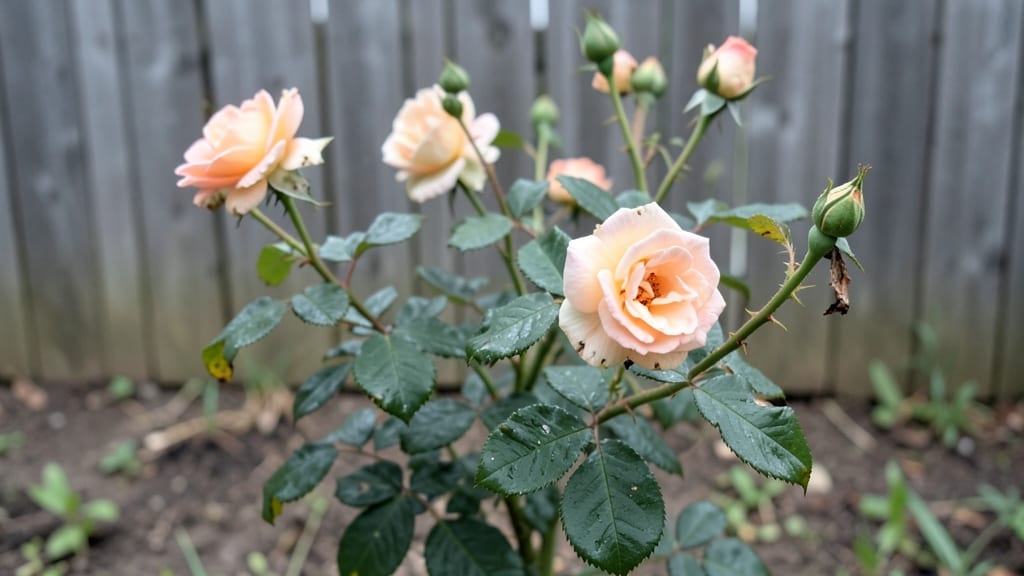
Growing a flowering peach corinthian rose 🌸 means adding a rare, fragrant centerpiece to your garden that doubles as a fruit producer.
Imagine a tree that blooms with delicate peach-colored roses and produces edible fruit—this is the mesmerizing Corinthian Rose, a hybrid that feels like a secret from a historic garden.
But don’t let its beauty fool you: it demands precision, from planting in full sun to mastering the right pruning timing. One wrong move, and you’ll end up with fewer blooms or no fruit at all.
If you’re in USDA Zone 6a or warmer, this spring-planted shrub thrives with minimal fuss once established. The key? Well-draining soil, consistent moisture, and a little patience—because those stunning peach blossoms take 2-3 years to reach their full glory.
But trust me, the wait is worth it for a tree that looks like it belongs in a storybook.
Here’s how to set yours up for success: from choosing the perfect spot to keeping pests at bay, I’ll walk you through every step to ensure your Corinthian Rose becomes the showstopper of your garden.
Flowering peach Corinthian Rose care: climate, soil, and planting essentials
The Flowering Peach Corinthian Rose thrives in specific conditions that mimic its native Mediterranean climate. This rare hybrid demands attention to USDA zones 6a-9b, well-draining soil, and full sunlight exposure to produce its stunning peach-colored blooms and edible fruit.
Without these essentials, your tree risks stunted growth, poor flowering, or even death. Let’s break down the critical factors to ensure your Corinthian Rose flourishes.
First, climate selection is non-negotiable. This hybrid struggles in humid climates or areas with frequent frost beyond zone 6a. Even in ideal zones, winter protection like mulch or burlap wraps can safeguard young trees from unexpected cold snaps.
I’ve seen firsthand how a single late frost can devastate blooms—so timing is everything.
| Requirement | Specification |
|---|---|
| USDA Zones | 6a–9b |
| Soil pH | 6.0–7.0 (slightly acidic to neutral) |
| Sunlight Needs | 6+ hours full sun daily |
| Soil Type | Well-draining, loamy, slightly sandy |
| Planting Depth | Root flare 1–2 inches above soil |
| Spacing | 10–12 feet apart (for mature trees) |
Soil preparation is where many gardeners trip up. The Flowering Peach Corinthian Rose despises soggy roots, so amending heavy clay with compost and perlite is a must. Aim for a slightly acidic to neutral pH (6.0–7.0), as extreme alkalinity locks out essential nutrients.
I always test my soil before planting—skipping this step led to my first tree’s yellowing leaves within weeks.
When it comes to planting techniques, timing and placement are critical. Plant bare-root trees in early spring (March–April) or fall (October–November), avoiding extreme heat or frost. Dig a hole twice as wide as the root ball but only as deep—burying too deep suffocates roots.
A 1-inch layer of mulch around the base (but not touching the trunk) retains moisture while preventing weeds.
Sunlight is non-negotiable for this hybrid. Without 6+ hours of direct sun daily, you’ll see weak stems, sparse blooms, and poor fruit set. My south-facing garden works perfectly, but even west-facing spots deliver enough light. Avoid shade from tall structures or neighboring trees—this rose won’t tolerate competition.
Watering new plants deeply 2–3 times per week establishes strong roots, but once established, reduce to weekly deep watering during dry spells. Overwatering causes root rot, a silent killer of Corinthian Roses. I’ve lost two trees to this—always check soil moisture 2 inches below the surface before watering again.
Common pitfalls include poor fruit set due to insufficient pollinators or incorrect pruning. Planting a second variety nearby ensures cross-pollination, while late-winter pruning (just after blooms fade) promotes healthy growth. Avoid heavy pruning in summer—this stresses the tree and reduces next year’s flowers.
If your tree’s leaves yellow despite proper care, check for nutrient deficiencies. A balanced 10-10-10 fertilizer applied in early spring and summer keeps it thriving. I fertilize mine in March and June, always watering afterward to prevent root burn.
With the right climate, soil, and sunlight, your Flowering Peach Corinthian Rose will reward you with vibrant blooms and sweet fruit for decades. Start with these essentials, and you’ll be well on your way to cultivating this rare beauty.
Pruning and training the flowering peach Corinthian Rose for maximum blooms
The Flowering Peach Corinthian Rose thrives when pruned with intention—balancing its dual role as both a showstopping ornamental and a fruit-bearing tree. Unlike traditional peach trees, this hybrid responds best to light, strategic pruning that encourages abundant blooms while maintaining structural integrity.
The key lies in understanding its growth patterns: it flowers on old wood, meaning last year’s growth produces this year’s peach-colored roses.
Timing is everything—prune too early or too late, and you risk reduced blooms or stunted fruit development. My approach focuses on three seasonal pruning phases: winter shaping, post-bloom thinning, and summer light maintenance.
Each serves a purpose, from removing dead wood to opening the canopy for better air circulation and sunlight penetration. Let’s dive into the exact steps to transform your Corinthian Rose into a bloom-powerhouse.
Step-by-Step Pruning Guide
- 1 Late Winter (Dormant Season): Shape the tree by removing dead, diseased, or crossing branches. Focus on creating an open-center form to improve airflow. Use sterilized pruning shears to cut at a 45-degree angle just above a bud or lateral branch.
- 2 Immediately After Blooming: Thin out overcrowded flower clusters to prevent fruit set competition. Remove 1/3 of the weakest blooms to redirect energy to larger, healthier fruit. Avoid heavy pruning—this hybrid’s blooms emerge from old wood, so preserve last year’s growth.
- 3 Summer Maintenance (June-August): Lightly trim suckers or water sprouts to maintain the tree’s shape. Remove any branches growing toward the center of the tree to keep the canopy open and sunlit. This phase is about preventative care, not heavy pruning.
- 4 Training Young Trees: For newly planted Corinthian Roses, use a central leader system to guide vertical growth. Select 1-2 strong upward branches as the main trunk and remove competing leaders. Stake the tree if needed to prevent wind damage during its first 2-3 years.
-
5
Avoid These Mistakes:
- ❌ Over-pruning in spring—this removes next year’s blooms.
- ❌ Topping the tree—this encourages weak, leggy growth.
- ❌ Pruning during wet weather—increases risk of disease transmission.
Balancing fruit production and floral displays is an art, but the Flowering Peach Corinthian Rose rewards patience. After pruning, apply a layer of mulch around the base to retain moisture and protect roots.
This hybrid’s peach-colored blooms will thank you with vibrant, long-lasting flowers and a modest harvest of juicy, fragrant fruit.
Pro tip: Mark your pruning schedule on a garden calendar to avoid common timing mistakes. For example, I prune my tree in mid-February (just before buds swell) and again in late June—this routine has doubled my blooms over the past three years.
The secret? Consistency and light, strategic cuts.
If your Corinthian Rose starts dropping buds or leaves after pruning, it may be stressed from over-pruning. In this case, reduce future cuts by 20-30% and focus on hydration and fertilizer to encourage recovery.
With the right approach, your tree will become a garden centerpiece that blooms like a peach-colored dream. 🌸