
Shrubs
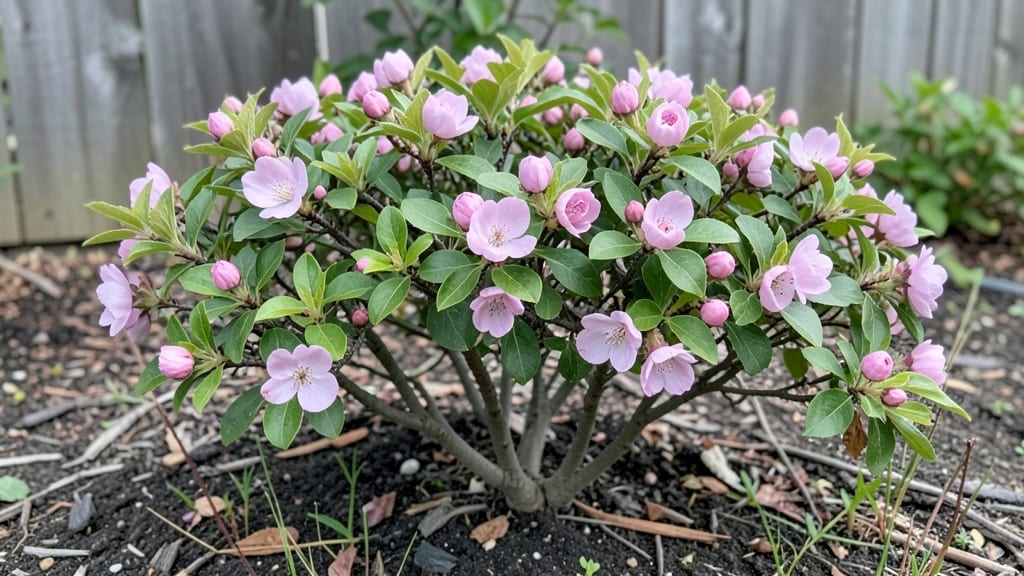
A flowering plum shrub 🌸 can turn your yard into a springtime masterpiece with its stunning, fragrant blooms—but only if you prune it right.
Imagine a flowering plum shrub bursting with vibrant blooms every season—yes, it’s possible with the right pruning techniques. This hardy yet delicate shrub thrives on strategic care, and mastering its pruning secrets can transform your garden into a year-round floral spectacle.
In USDA Zone 6a, where late frosts linger until April 15, timing is everything. Prune too early, and you risk cutting off next year’s flowers. Prune too late, and you disrupt the plant’s natural rhythm.
The key lies in understanding when to shape, when to thin, and how to encourage more blooms without sacrificing the shrub’s health.
In this guide, I’ll walk you through the exact steps to prune your flowering plum for continuous blooms, avoid common mistakes that stifle growth, and choose the best variety for your climate. Let’s get started.
When and how to prune flowering plum shrubs for maximum blooms
Pruning your flowering plum shrub at the right time and with the right techniques can turn a single seasonal burst of blooms into a year-round floral display. Unlike many shrubs, flowering plums bloom on old wood, meaning last year's growth produces this year's flowers.
This makes timing and method critical—prune incorrectly, and you risk sacrificing next season's vibrant blossoms.
The key is understanding when to prune: late winter or early spring (just before buds swell) is ideal for shaping and removing deadwood, while summer pruning should be minimal and focused on cleanup. Let’s break down the exact steps to keep your shrub healthy and blooming abundantly.
Step-by-Step Pruning Guide for Flowering Plum Shrubs
-
Step 1: Timing is Everything
Prune during late winter (January-February) or early spring (March), just as buds begin to swell but before they open. This ensures you don’t cut off next year’s flower buds that form on old wood. -
Step 2: Remove Dead or Diseased Wood
Start by cutting out any dead, damaged, or diseased branches using clean, sharp pruners. These branches won’t produce blooms and can spread disease. Cut back to the main stem or healthy growth. -
Step 3: Thin Out Crowded Branches
Look for branches that cross or rub against each other. Remove about 1/3 of the oldest branches to improve airflow and sunlight penetration. This encourages new growth and more blooms in future seasons. -
Step 4: Shape the Shrub Gently
Lightly trim overgrown or leggy branches to maintain the shrub’s natural shape. Avoid heavy pruning—never remove more than 25% of the shrub’s foliage in one season. Use hand pruners for smaller branches and loppers for thicker stems. -
Step 5: Clean Up After Pruning
Remove all pruned branches and debris from the area to prevent pests and diseases. Sterilize your tools with rubbing alcohol or a 10% bleach solution to avoid spreading pathogens. -
Step 6: Summer Maintenance (Minimal!)
If you notice dead or diseased branches during the growing season, remove them immediately. Avoid heavy pruning in summer, as it can stimulate new growth that won’t have time to harden off before winter. -
Step 7: Fertilize and Water Post-Pruning
After pruning, apply a balanced fertilizer (10-10-10) to encourage strong regrowth. Water deeply to help the shrub recover, especially if you’ve made significant cuts.
One of the biggest mistakes gardeners make is pruning flowering plum shrubs in fall or early winter. This removes next year’s flower buds before they’ve formed, leaving you with sparse or no blooms in spring.
Always wait until the shrub is dormant but buds are swelling—this is your window for optimal pruning.
For young flowering plum shrubs, focus on establishing a strong structure in their first few years. Avoid heavy pruning until they’re at least 3-4 years old.
This gives them time to develop a robust framework of branches that will support abundant blooms for decades. Patience here pays off in vibrant, long-lasting flowers.
If your shrub hasn’t bloomed well this year, don’t panic. Flowering plums often have off-years, especially if they’ve been stressed by drought, poor soil, or improper pruning. Give it a year of recovery with proper care—your efforts will be rewarded with a spectacular display next season.
Pro tip: Take a photo of your shrub’s shape before pruning. This helps you visualize where to make cuts and ensures you don’t over-prune. It’s also a great reference for future pruning sessions to maintain consistency. A little planning goes a long way in keeping your flowering plum shrub thriving.
Finally, remember that flowering plum shrubs are low-maintenance once established. With the right pruning techniques and a little seasonal attention, you’ll enjoy their stunning blooms for years to come—turning your garden into a springtime paradise. 🌸
Common pruning mistakes that kill flowering plum shrub blooms
Your flowering plum shrub can become a stunning garden centerpiece, but pruning mistakes often rob it of its vibrant blooms. Even well-intentioned cuts can weaken the shrub or trigger reduced flowering for years.
The key lies in understanding timing, technique, and what your shrub truly needs to thrive. Let’s explore five pruning pitfalls that silently sabotage your plum’s beauty—and how to fix them.
One of the most common errors is pruning at the wrong time of year. Flowering plums bloom on old wood, meaning their flowers form on branches that grew the previous season. Cutting back too late—after blooms appear—removes next year’s flower buds, leaving you with bare branches for months.
Even light trimming in summer can trigger stunted growth and fewer blooms. Timing isn’t just about when you prune; it’s about aligning your cuts with the shrub’s natural growth cycle.
⚠️
Another deadly mistake is over-thinning the shrub’s center. Many gardeners assume more air circulation equals better health, but aggressive thinning creates a sparse canopy that struggles to support new growth. Flowering plums need a balanced structure to produce abundant blooms.
Instead of removing too many branches, focus on selective pruning—cutting back only the oldest, thickest stems to encourage younger, more vigorous branches that produce more flowers.
Neglecting to remove dead or diseased wood is another silent bloom-killer. Dead branches not only look unsightly but also drain energy from your shrub. Diseased wood can spread pathogens, further weakening the plant.
Make it a habit to inspect your flowering plum shrub in early spring and prune out any dead, broken, or diseased stems before new growth begins. This simple step ensures your shrub directs its energy toward healthy blooms rather than struggling branches.
Pruning with dull or dirty tools might seem like a minor issue, but it can cause jagged cuts that fail to heal properly. These wounds become entry points for pests and diseases, which stress the shrub and reduce flowering.
Always use sharp, sterilized pruners and make clean cuts just outside the branch collar. Proper tool maintenance ensures your cuts promote faster healing and healthier growth, setting the stage for a bloom-filled season.
Finally, pruning too much at once can shock your shrub into dormancy, halting new growth and reducing flower production. Even if your plum looks overgrown, avoid drastic cuts—limit yourself to no more than 25% of the shrub’s foliage per year.
Spread pruning tasks over 2-3 years if needed, and always prioritize structural balance over aggressive reshaping. Patience pays off with stronger stems and more abundant blooms in the long run.
By avoiding these five pruning mistakes, your flowering plum shrub will reward you with year-round interest and vibrant spring blooms. Start with correct timing, selective cuts, and proper tool care, and watch your shrub thrive like never before. Happy pruning! 🌸