
Shrubs
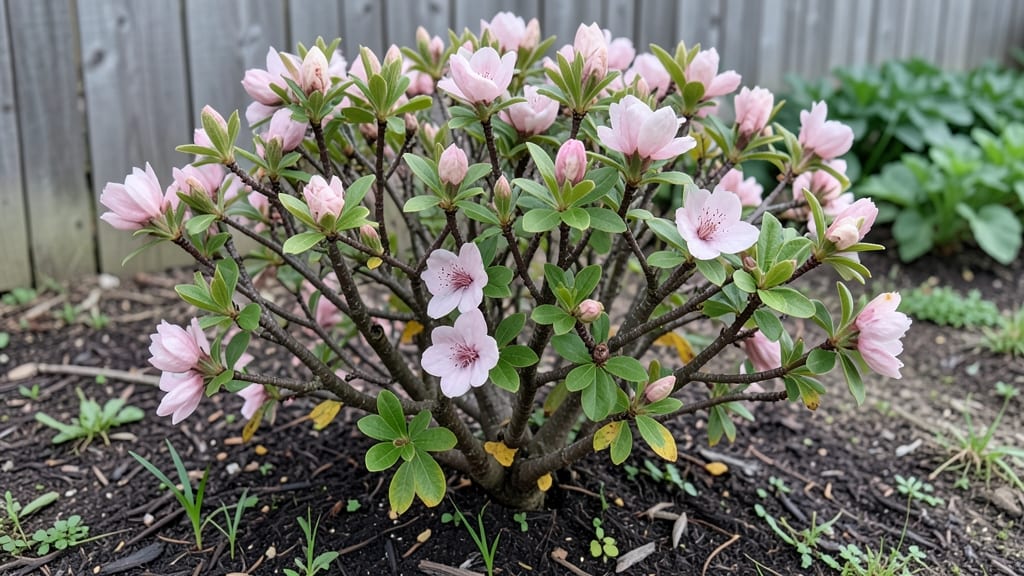
Flowering quince bushes thrive with the right pruning techniques to keep them blooming beautifully year after year 🌸.
If your flowering quince bushes look tired after winter or struggle with sparse blooms, the secret lies in strategic pruning—transforming them into year-round beauties with vibrant flowers and ironclad disease resistance.
This hardy shrub, perfect for USDA Zone 6a, rewards gardeners with stunning spring blooms, but without proper care, it can become overgrown or prone to disease. The key is understanding when and how to prune to encourage continuous flowering while maintaining a healthy structure.
In this guide, I’ll walk you through the essential pruning steps, common mistakes to avoid, and how to keep your flowering quince strong and stunning for seasons to come.
When and how to prune flowering quince for maximum blooms
Pruning your flowering quince bushes at the right time can make all the difference between sparse blooms and a stunning, year-round floral display. These shrubs thrive when given a little attention to their structure, especially since they bloom on both old wood and new growth.
The key is timing—prune too early or too late, and you risk cutting off next year’s flowers or stressing the plant.
For most gardeners in USDA Zones 5-8, the best time to prune flowering quince is late winter to early spring, just as new buds begin to swell but before active growth starts.
This timing ensures you don’t remove next year’s blooms while still shaping the bush for optimal airflow and light penetration. If you’re in a warmer climate (Zones 9-10), a light pruning after flowering can encourage a second flush of blooms.
Step-by-Step Pruning Guide for Flowering Quince
-
Step 1: Remove Dead or Diseased Wood
Cut out any branches that are brown, brittle, or showing signs of canker or powdery mildew. Sterilize your tools with rubbing alcohol to prevent spreading disease. -
Step 2: Thin Out Crowded Branches
Look for branches growing inward or crossing each other. Remove 1/3 of the oldest stems to encourage new growth and improve air circulation. -
Step 3: Shape the Bush
Use hand pruners to trim back overly long branches by 1/3 of their length. Aim for an open, vase-like shape to maximize sunlight exposure. -
Step 4: Cut at the Right Angle
Make cuts just above a bud or branch collar, angled slightly away from the bud. Avoid leaving stubs, which can trap moisture and invite disease. -
Step 5: Clean Up the Area
Rake up and dispose of all pruned branches outside your garden to prevent pests or diseases from returning. Apply a mulch layer around the base to retain moisture.
One common mistake I see is pruning flowering quince in fall, which can leave the plant vulnerable to winter damage. If you must prune in fall, limit it to removing only dead or diseased branches—never shape the bush.
Another tip: avoid heavy pruning in summer, as this can stimulate tender new growth that may not harden off before frost.
For continuous blooming, consider a second light pruning right after the first flush of flowers in early summer. This encourages a second round of blooms later in the season.
Just be sure to avoid cutting back more than 20% of the plant at any one time to prevent stress. In hot climates, this approach works wonders for extending the blooming season.
If your flowering quince hasn’t bloomed well this year, it might be due to over-pruning in previous years. These shrubs are resilient but benefit from a gradual pruning approach.
Each year, focus on removing 1-2 older stems to keep the bush vibrant and encourage new growth. Over time, this method maintains a youthful, productive shrub.
Don’t forget to sterilize your pruning tools before and after working on your flowering quince. Quince bushes are prone to fire blight and canker diseases, so keeping your tools clean is a simple way to protect your investment.
A quick wipe with rubbing alcohol or a bleach solution (1 part bleach to 9 parts water) does the trick.
For gardeners in cooler climates (Zones 3-4), delay pruning until late April or early May, after the last frost. Cold snaps can damage new growth, so patience is key.
If you’re unsure about your local frost dates, err on the side of waiting a little longer—your quince will thank you with a spectacular display of blooms.
Finally, if your flowering quince is overgrown or leggy, you can perform a renewal pruning in stages over 2-3 years. Each year, remove 1/3 of the oldest stems at the base.
This rejuvenates the bush without shocking it. Pair this with a balanced fertilizer (like 10-10-10) in early spring to support new growth.
With the right timing and technique, your flowering quince will reward you with vibrant, long-lasting blooms and a sturdy structure that stands up to years of gardening. Happy pruning! 🌸
Flowering quince pruning mistakes that kill blooms (and how to fix them)
Flowering quince bushes thrive when pruned correctly, but even small mistakes can lead to stunted blooms or dieback. Many gardeners accidentally over-prune or cut at the wrong time, triggering stress that reduces flowering. The key is understanding when and how to prune—without removing too much growth at once.
One of the biggest culprits is late-season pruning, which leaves bushes vulnerable to frost damage. Others include cutting too close to the trunk or ignoring deadwood, which can harbor diseases like canker. Let’s diagnose these common errors and restore your quince’s health with targeted fixes.
⚠️ Pruning Pitfalls That Sabotage Blooms
Over-pruning: Removing more than 1/3 of the bush in one session stresses the plant, reducing next year’s blooms. Fix: Limit cuts to 10-15% of the canopy annually.
Wrong timing: Pruning after June removes next year’s flower buds. Fix: Prune in late winter or early spring (before buds swell).
Poor cuts: Jagged or too-deep cuts invite disease. Fix: Use clean tools and cut at a 45-degree angle, 1/4" above a bud.
If your flowering quince has fewer blooms than usual, check for pruning-induced stress. Look for yellowing leaves, stunted growth, or bare branches—all signs of over-pruning. To revive it, focus on light pruning to encourage new growth and remove only dead or crossing branches.
Another mistake is ignoring deadwood, which can spread diseases like quince canker. Always remove diseased branches first, then sterilize your tools with rubbing alcohol to prevent cross-contamination. This one step can double your bush’s blooms next season.
For overgrown bushes, space pruning over 2-3 years to avoid shock. In Year 1, focus on removing deadwood and crossing branches. In Year 2, thin out 10-15% of the canopy to improve airflow. This gradual approach keeps your quince healthy and flowering.
Pro tip: Use a diagnostic checklist before pruning. Check for bud swell, leaf health, and branch structure. A well-pruned flowering quince can reward you with year-round interest—from spring blooms to winter structure. 🌸