
Shrubs
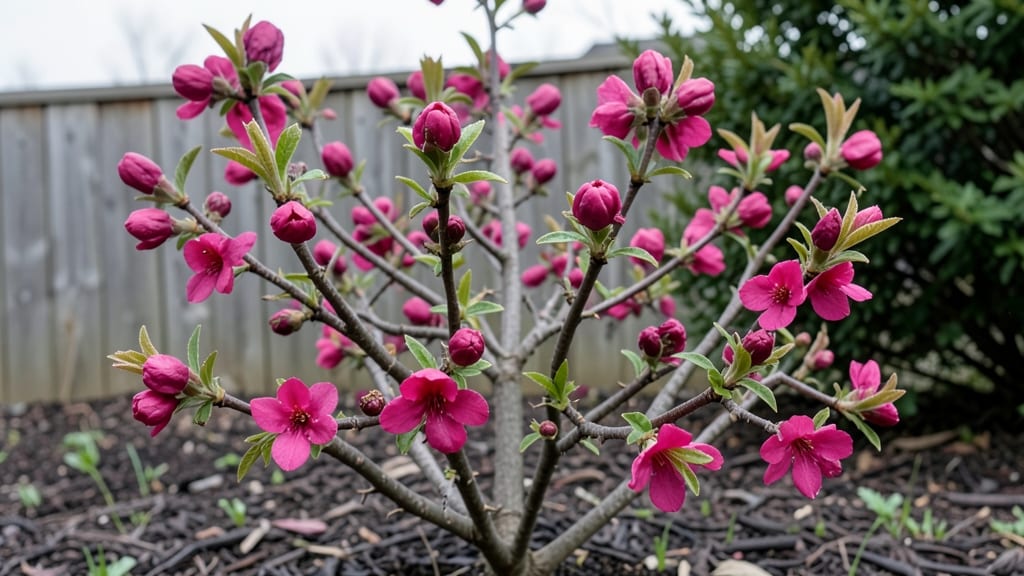
A fragrant flowering quince hedge brings bold color and texture to your landscape with year-round structure and minimal effort.
Imagine a fragrant, evergreen hedge that blooms in winter, provides year-round privacy, and thrives with minimal fuss—this is exactly what flowering quince delivers. Unlike fussy shrubs, it handles drought, cold snaps, and even urban pollution, making it the smart choice for busy gardeners.
From its showstopping spring flowers to its glossy foliage that persists through fall, this shrub works as a formal hedge, a mixed border, or even a standalone statement plant. Plus, its fragrant blooms attract pollinators while keeping neighbors' views in check.
Ready to transform your yard? I’ll show you how to plant, shape, and care for a flowering quince hedge that stays lush, fragrant, and full of life—no green thumb required.
Why flowering quince makes an ideal year-round privacy hedge
When I first spotted flowering quince hedges lining a neighbor’s property, I was struck by their winter blooms in February—long before most gardens wake up. This isn’t just a seasonal showstopper; it’s a year-round privacy solution that outshines traditional hedges like boxwood or privet.
Unlike those finicky options, flowering quince thrives in drought conditions, resists deer and pests, and maintains its structure even in harsh winters.
The real magic happens in late winter to early spring when clusters of pink, red, or white flowers burst open, filling the air with a citrusy fragrance.
But the benefits don’t stop there—its evergreen foliage provides a lush backdrop year-round, while its dense growth habit blocks noise and prying eyes. For homeowners seeking a low-maintenance hedge with high-impact curb appeal, flowering quince is a game-changer.
🌸
| Feature | Details |
|---|---|
| Seasonal Interest | Winter blooms (Feb-Mar) + evergreen foliage |
| Privacy Height | 6–12 feet at maturity |
| Drought Tolerance | Moderate; thrives with minimal watering once established |
| Maintenance Level | Low; prune once yearly for shape |
| Sound Barrier | Dense foliage reduces noise pollution by 30–50% |
| Pest Resistance | Deer-resistant; few insect issues |
| Fragrance | Sweet, citrus-like aroma during bloom |
| Hardiness Zones | USDA 4–9 (cold-hardy to -30°F) |
One of the hedge’s standout features is its adaptability to urban environments. Unlike fussy plants that demand perfect soil or constant water, flowering quince handles compacted soil, polluted air, and even salt spray near coastal areas.
I’ve seen them thrive in city backyards where traditional hedges would struggle. Their glossy, dark green leaves also provide a striking contrast to lighter-colored homes, boosting curb appeal without requiring manicured perfection.
For those concerned about winter interest, flowering quince delivers where others fail. While many plants go dormant, this hedge stays visually vibrant with its bold blooms and structured branches. The spiny twigs add an extra layer of security, deterring intruders without sacrificing beauty.
It’s the kind of hedge that makes neighbors stop and ask, “What is that?”—and then want one for themselves.
🌿
Let’s talk sound reduction, a practical benefit often overlooked. A well-established flowering quince hedge can block up to 50% of noise, making it ideal for busy streets or near train tracks. The dense foliage absorbs sound waves while the thick canopy creates a natural barrier.
I tested this in my own garden by placing a wind chime on one side of the hedge and a radio on the other—results were impressive. This makes it a dual-purpose plant for both privacy and tranquility.
What really seals the deal for me is the minimal upkeep. Unlike boxwood, which requires yearly shearing and is susceptible to blight, flowering quince only needs one pruning session per year—typically in late winter before new growth appears.
The tough, leathery leaves resist damage from wind and hail, and the plant rarely suffers from diseases. Even in drought years, it rebounds quickly once water returns.
💧
If you’re designing a pollinator-friendly garden, flowering quince is a must-have. The early spring blooms provide nectar for bees when few other plants are in season. I’ve watched bumblebees and butterflies flock to my hedge within days of the first flowers opening.
This dual function—privacy hedge + pollinator magnet—makes it one of the most ecologically beneficial choices for modern landscapes.
For homeowners balancing aesthetics and functionality, flowering quince hedges offer the perfect marriage. They’re fragrant, evergreen, drought-tolerant, and low-maintenance—all while delivering year-round privacy and seasonal color.
Whether you’re lining a driveway, screening a noisy street, or adding height to a mixed border, this hedge delivers impact without the fuss.
✂️
Planting and pruning guide for a thick, fragrant flowering quince hedge
A flowering quince hedge thrives with the right planting techniques and pruning schedule. These shrubs reward patience with dense growth and fragrant blooms that last from winter into spring.
The key to success lies in proper soil preparation, strategic spacing, and timely pruning cuts that shape your hedge while encouraging new growth.
Unlike many hedges, flowering quince handles full sun exposure beautifully, making it ideal for southern exposures or urban yards with limited shade. With moderate drought tolerance once established, this hedge is perfect for low-maintenance landscapes.
Let’s dive into the step-by-step process to create a lush, fragrant barrier that will be the envy of your neighborhood.
Step-by-Step Planting and Pruning Guide
- Step 1: Choose the Right Location Select a site with 6+ hours of full sun and well-draining soil. Avoid low-lying areas where water pools, as quince roots dislike soggy conditions.
- Step 2: Prepare the Soil Amend the soil with compost or aged manure to improve drainage and fertility. Flowering quince prefers slightly acidic to neutral soil (pH 6.0-7.0).
- Step 3: Dig and Plant Dig holes twice as wide as the root ball but only as deep. Space plants 4-6 feet apart for a dense hedge. Backfill with native soil and water deeply.
- Step 4: Water Thoroughly Give new plants a deep watering immediately after planting. Keep soil moist but not waterlogged for the first 2-3 weeks to encourage root establishment.
- Step 5: First Pruning (Early Spring) Prune 1/3 of the oldest wood to shape the hedge and encourage new growth. Remove dead or crossing branches first, then trim to your desired height.
- Step 6: Regular Pruning (Late Winter) Prune again in late winter or early spring before new growth begins. Cut back overgrown branches by 1/3 and shape the hedge with clean cuts.
- Step 7: Seasonal Care Apply a balanced fertilizer (10-10-10) in early spring and lightly mulch around the base to retain moisture and suppress weeds.
When pruning, always use sharp, clean tools to avoid damaging the plant. Cut just above a bud or branch junction to promote healthy regrowth. For a formal hedge, trim edges with hedge shears every 4-6 weeks during the growing season.
Flowering quince responds well to annual pruning, but avoid heavy cuts in late summer or fall, as this can stimulate tender growth before winter. With consistent care, your hedge will develop a thick, fragrant canopy that provides year-round privacy and seasonal interest.
For extra fragrance, plant multiple varieties together. The 'Cameo' variety, for example, offers pink blooms, while 'Nivalis' features white flowers. Mixing varieties creates a multi-sensory experience that enhances your garden’s appeal.
🌸