
Shrubs
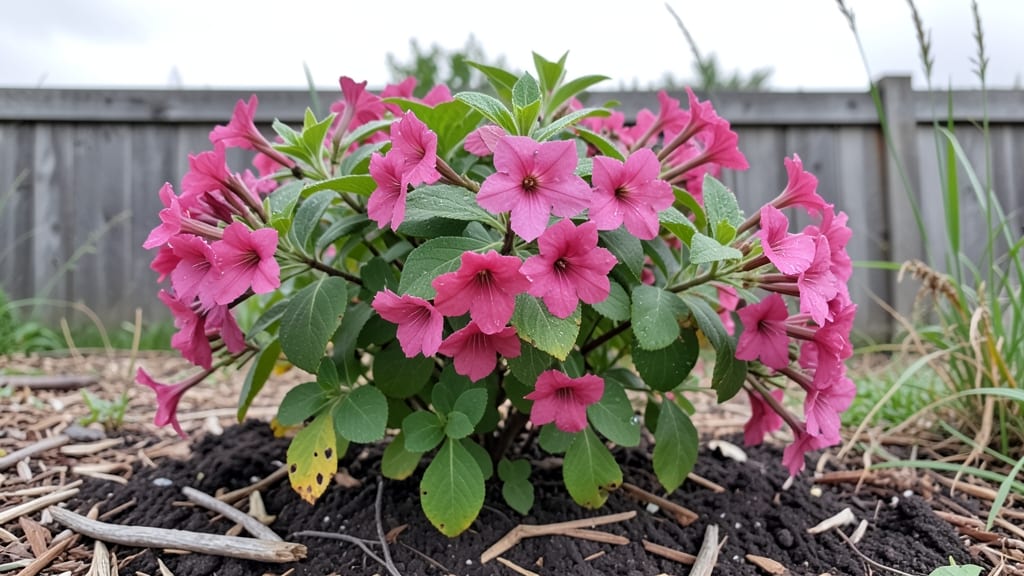
Growing flowering shrubs like weigela 🌸 is one of the easiest ways to add year-round color to your yard—but most gardeners miss the trick that keeps them blooming for decades.
Weigela shrubs burst with vibrant blooms—but without proper pruning, their show can fizzle out after just one season. I’ve watched mine go from a nonstop floral display to a sad, leggy mess in just two years, and it all comes down to timing and technique.
Here’s the secret: pruning at the right time and in the right way doesn’t just keep your weigela looking stunning—it actually encourages more flowers and denser growth. Whether you’re a beginner or a seasoned gardener, these simple steps will transform your shrub into a blooming powerhouse.
From when to cut back to how to shape it for maximum impact, I’ll walk you through everything you need to know to keep your weigela thriving in USDA zones 3-8.
When and how to prune weigela for maximum blooms
Pruning your weigela shrubs at the right time transforms them from one-season wonders into year-round blooming stars. The key lies in understanding their flowering cycle—weigelas bloom on new wood, meaning fresh growth produces the most vibrant flowers.
If you prune at the wrong time, you risk cutting off next year’s blooms before they even form. Let’s dive into the science-backed schedule and techniques that keep your weigela in peak bloom condition.
Timing is everything when it comes to weigela pruning. Most gardeners make the mistake of pruning after the flowers fade, but this is a recipe for sparse blooms next season. Instead, focus on late winter or early spring pruning—just as new growth begins.
This ensures you’re encouraging fresh stems that will burst with flowers. For established shrubs, a second light pruning in early summer can extend the blooming season even further.
Step-by-Step Weigela Pruning Guide
-
Step 1: Choose the Right Time
Prune late winter to early spring (just before buds swell) or early summer (after first flush of blooms). Avoid pruning in fall or winter—this cuts off next year’s flowers.
-
Step 2: Gather Your Tools
Use clean, sharp pruners and disinfectant (rubbing alcohol) to prevent disease spread. Wear gloves to avoid thorns.
-
Step 3: Remove Dead or Weak Wood
Cut out dead branches, crossing limbs, and weak growth first. These take up energy your weigela could use for blooms.
-
Step 4: Thin Out Overcrowded Areas
Look for overlapping branches or those growing inward. Cut these back to the main stem to improve airflow and sunlight penetration.
-
Step 5: Shape the Shrub
Prune to maintain a balanced shape. Aim for an open center—this encourages more blooms and reduces disease risk.
-
Step 6: Light Summer Pruning (Optional)
After the first flowering flush, trim back 1/3 of the oldest stems to encourage a second wave of blooms. Avoid heavy pruning.
-
Step 7: Clean Up
Remove all pruned debris from the base of the plant to prevent pests and diseases from taking hold.
When pruning, always cut just above a bud or branch collar—never leave stubs. This ensures clean wounds that heal faster and reduces the risk of infection. For young weigelas, focus on shaping rather than heavy cutting.
Mature shrubs can handle more aggressive pruning, but never remove more than 1/3 of the plant in a single session to avoid shock.
One of the biggest mistakes I see is pruning weigela after flowering. This removes next year’s blooms before they form. Instead, wait until late winter when the plant is dormant.
If you must prune after flowers fade, do so lightly and only to shape the shrub. For continuous blooming, a second light pruning in early summer can work wonders.
For overgrown weigelas, don’t panic—you can rejuvenate them with a renewal pruning in early spring. Cut back 1/2 to 2/3 of the oldest stems to the ground. This may seem drastic, but it encourages vigorous new growth and a bountiful bloom the following season.
Just be patient—it may take a year or two for the shrub to recover fully.
Proper pruning technique also includes knowing which stems to prioritize. Always keep the youngest, healthiest branches and remove the oldest wood first. This keeps your weigela compact and bushy while maximizing flower production. If your shrub looks leggy, it’s a sign you’ve been pruning too late or too lightly.
After pruning, give your weigela a light feeding with a balanced fertilizer (10-10-10) to support new growth. Water deeply to help the plant recover, but avoid overwatering—weigelas hate soggy roots. Mulch around the base to retain moisture and protect roots from temperature swings.
With the right pruning schedule and techniques, your weigela will reward you with vibrant blooms from spring to fall. The secret isn’t just when you prune, but how you do it—always prioritize health over aesthetics, and your shrub will thrive for years to come. 🌸
Common weigela pruning mistakes that kill blooms
Pruning your weigela shrubs might seem simple, but even small mistakes can turn your vibrant blooms into a sparse, leggy mess. I’ve seen gardeners accidentally kill their weigela’s flowering potential by pruning at the wrong time or using the wrong techniques.
The key is understanding when and how to cut—and what to avoid—to keep those showy flowers coming back year after year.
One of the biggest mistakes is pruning too late in the season. If you wait until fall or winter, you risk removing next year’s flower buds before they’ve formed. Weigelas bloom on new wood, meaning their flowers grow on the current year’s growth.
Cutting back too late can leave your shrub with bare branches and fewer blooms the following spring.
⚠️
- Pruning after mid-summer: Removes next year’s flower buds.
- Cutting into old wood: Stops new growth and blooms.
- Over-pruning: Leaves shrub stressed and vulnerable to disease.
- Using dull shears: Causes jagged cuts that heal poorly.
Another common error is pruning too aggressively in a single session. Weigelas respond best to gradual pruning over time. If you hack back more than one-third of the shrub at once, you’ll shock the plant and stunt its growth.
Instead, spread out your pruning over 2-3 sessions in early spring, focusing on shaping and removing dead or crossing branches first.
I’ve also seen gardeners ignore dead or diseased branches until it’s too late. Leaving these behind invites pests and diseases that can weaken your weigela. Always start your pruning by removing any dead, damaged, or diseased wood—this keeps your shrub healthy and encourages stronger new growth.
Use sterilized pruners to avoid spreading pathogens between cuts.
One subtle mistake is pruning at the wrong angle. Always cut just above a bud or leaf node, at a 45-degree angle. This helps water run off the cut and promotes faster healing.
If you leave stubs or cut too close to the bud, the wound takes longer to heal, making your weigela more susceptible to infections.
Finally, skipping regular maintenance pruning during the growing season can lead to a woody, overgrown shrub. Even if you prune correctly in spring, a little light shaping throughout summer keeps your weigela compact and encourages continuous blooming. Just avoid heavy cuts after July 4th to protect next year’s flowers.