
Trees
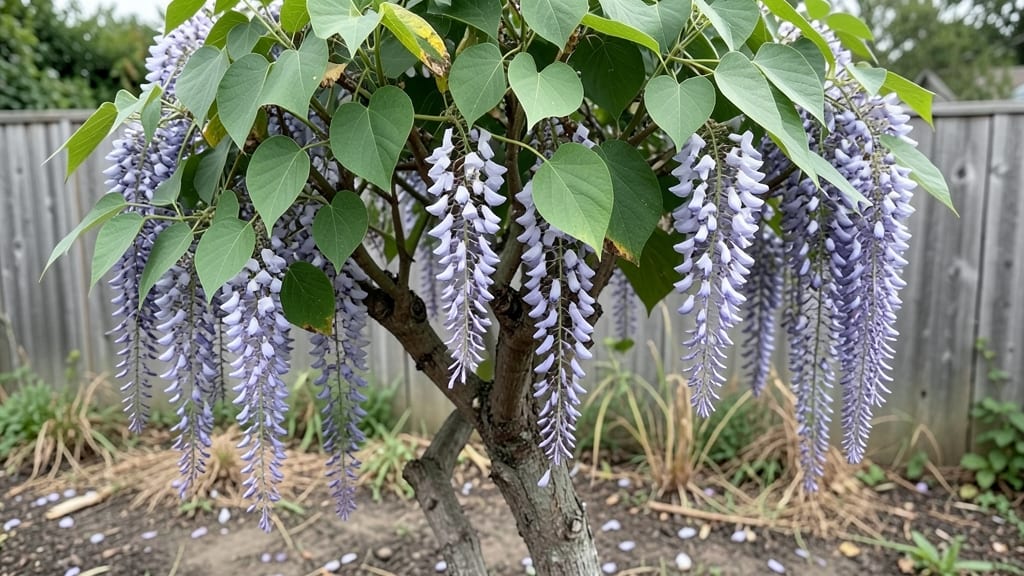
A flowering wisteria tree 🌸 can transform your garden into a fragrant, cascading dream—but only if you prune it right.
Struggling to get your wisteria tree to bloom? The secret lies in strategic pruning—yet most gardeners make costly mistakes that stunt growth and delay those stunning cascades of flowers.
This isn’t just about cutting back; it’s about shaping the future of your plant. With the right timing and technique, you can encourage healthier blooms and faster growth, turning a once-neglected vine into a showstopper.
In this guide, I’ll walk you through the fastest, most effective pruning methods to unlock your wisteria’s full potential—so you can enjoy those sweet, fragrant blooms year after year.
When and how to prune wisteria for maximum blooms
Wisteria trees produce some of the most breathtaking floral displays in gardens, but their lush blooms require precise pruning timing and technique. Unlike many plants, wisteria blooms on old wood, meaning last year's growth produces this year's flowers.
Cutting back too aggressively can eliminate next season's blooms entirely. The key is balancing structural pruning with flower preservation—and knowing when to do each.
Most gardeners make the mistake of pruning at the wrong time, often after the flowers fade or during peak growth. This disrupts the energy flow to next year's buds.
Instead, wisteria thrives when you follow a two-season pruning schedule: a light touch in late winter and a heavier structural prune in early summer. This approach ensures your tree stays healthy while maximizing those fragrant cascades of flowers every spring.
Before grabbing your pruners, understand that wisteria grows aggressively—up to 10 feet per year if unchecked. Without proper pruning, it can become a tangled mess with fewer flowers. The goal is to shape the vine, remove dead wood, and encourage new growth where you want it.
Let’s break down the exact steps and timing for science-backed pruning that guarantees healthier blooms.
Step-by-Step Wisteria Pruning Guide
-
Step 1: Prune Dormant Season (Late Winter)
Cut back last year's growth by 1/3 to 1/2 to encourage new flowering shoots. Focus on removing dead or weak wood and thinning crowded branches. Avoid heavy cuts—this is about shaping, not drastic reduction.
-
Step 2: Identify Flower Buds
Look for small, swollen buds along the stems—these are next year's blooms. Never cut these off! Use them as a guide to avoid pruning too aggressively.
-
Step 3: Summer Pruning (June-July)
After flowers fade, prune only non-flowering growth. Cut back long, leggy shoots to 4-6 inches above a bud. This stimulates denser foliage and more blooms next year.
-
Step 4: Thin Overcrowded Areas
Remove crossing branches and shoots growing inward to improve air circulation. This prevents disease and helps sunlight reach the center of the plant.
-
Step 5: Clean Up Debris
Rake up pruned branches and fallen leaves to prevent pests and diseases. Disposing of debris reduces the risk of wisteria pests like aphids or spider mites.
-
Step 6: Fertilize After Pruning
Apply a balanced fertilizer (10-10-10) to support new growth. Avoid high-nitrogen fertilizers—they promote leafy growth over flowers.
Timing is everything with wisteria pruning. If you prune too late in the season, you risk delaying next year's blooms. Conversely, pruning too early can stimulate unwanted growth that won’t have time to harden off before winter.
For most climates, aim to finish dormant-season pruning by early March, just as new buds begin to swell. This gives the plant enough time to recover and set buds for the following spring.
One of the biggest misconceptions about wisteria pruning is that you need to cut back hard every year. In reality, over-pruning can weaken the plant and reduce flowering.
Instead, focus on gradual shaping. Each year, remove only what’s necessary—about 20-30% of the plant’s volume—to maintain its structure and encourage healthy flowering.
For young wisteria trees (under 3 years old), pruning is minimal. Your goal is to train the vine along a trellis or arbor. Prune lightly to encourage upward growth and establish a strong framework.
Avoid heavy cuts, as young wisteria is still developing its root system and needs all its energy for growth.
If your wisteria has become overgrown or unruly, don’t panic—it’s never too late to restore its shape. Start with a light dormant-season prune to reduce stress, then focus on structural pruning in summer.
Over time, you’ll see fewer tangled vines and more abundant blooms. Patience is key—wisteria responds well to consistent, gentle pruning over several seasons.
Finally, always use clean, sharp pruners to make precise cuts. Ragged edges can invite disease and pests, while clean cuts heal faster. For larger branches, use loppers or a pruning saw, and seal larger cuts with pruning sealant if needed.
With the right technique, your wisteria will reward you with years of stunning, fragrant blooms.
🌸 Ready to transform your wisteria into a bloom-producing powerhouse? Start with this pruning schedule, and watch as your tree flourishes with vibrant flowers year after year.
Common wisteria pruning mistakes that kill blooms (and how to fix them)
Your flowering wisteria tree might look healthy, but if blooms are sparse or nonexistent, pruning mistakes could be the culprit. Wisteria thrives on precise pruning—cut too much or at the wrong time, and you’ll sacrifice next year’s fragrant flowers.
The good news? Most pruning errors are reversible with the right techniques.
I’ve seen gardeners accidentally turn lush wisteria into bare branches by making these five fatal pruning mistakes. Each one weakens the plant’s ability to produce those iconic purple or white blossoms. Let’s diagnose the damage and restore your wisteria’s bloom potential before this growing season ends.
⚠️ Warning: Over-Pruning in Dormant Season
Cutting back more than 30% of your wisteria’s branches during winter dormancy (Dec-Feb) forces the plant to regrow leaves instead of storing energy for spring blooms. This mistake is irreversible for that season—you’ll see fewer flowers and weaker growth.
🔹 Fix: Never remove more than 1/3 of last year’s growth in dormant season. Focus on shaping, not reducing size.
Another silent bloom-killer is pruning at the wrong angle. Wisteria flowers form on new wood from the previous year’s growth. If you cut too close to the trunk or leave stubs, you’re eliminating next year’s flower buds.
I’ve seen gardeners accidentally sever entire bud clusters by using shears instead of sharp pruners.
Timing is everything with wisteria. Pruning after mid-summer (August onward) removes the current year’s flower buds, which form in late summer. I once had a client who pruned their wisteria in September—they were devastated when it didn’t bloom the following spring.
The fix? Always prune right after flowering (late May-June) for climbing varieties.
Let’s tackle the top 5 pruning mistakes with before-and-after solutions. First, wrong cut angles create entry points for diseases like powdery mildew. Always make cuts at a 45-degree angle, 1/4 inch above a bud or lateral branch. Use sterilized pruners to prevent spreading pathogens between cuts.
For overgrown wisteria, the fix starts with structured renewal pruning. Over three years, remove 1/3 of oldest wood each dormant season. This encourages new growth while preserving flowering potential. Pair this with regular summer pruning to maintain shape—never let vines grow longer than 12 feet without pruning.
🌿 Remember: Wisteria’s blooms are a delicate balance between old and new growth. With these fixes, your flowering wisteria tree will reward you with abundant cascades of color next spring. Start correcting mistakes now—before next year’s buds form!