
Plants
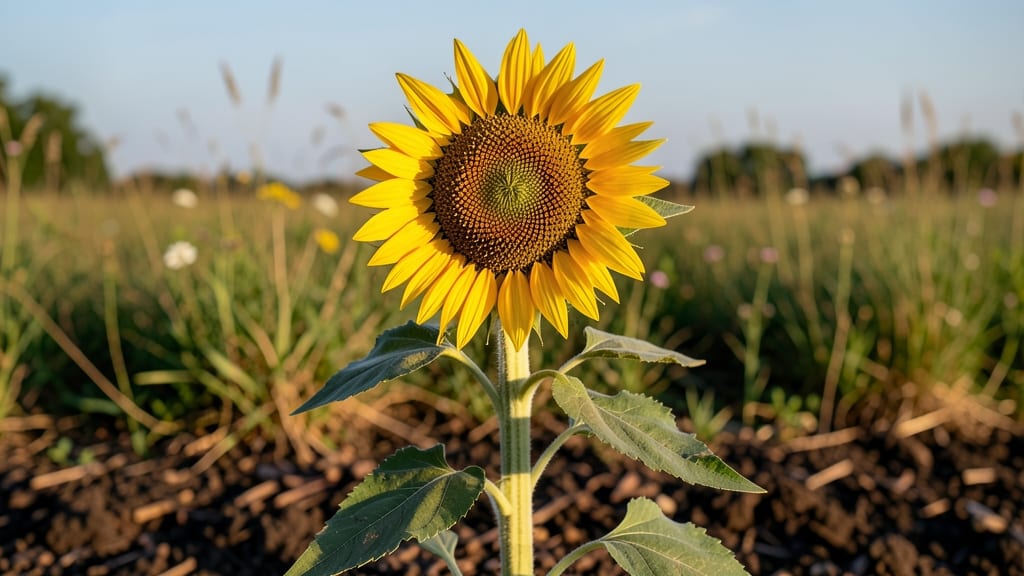
A full grown sunflower can tower over you like a living skyscraper 🌻—some varieties stretching taller than a basketball hoop, while others stay compact enough for container gardens.
Did you know some sunflowers grow taller than a giraffe’s neck—while others barely reach your knees? Understanding exact full grown sunflower heights is key to planning your garden layout, spacing, and even choosing varieties that suit your space.
Whether you’re dreaming of dramatic 12-foot giants for cutting or prefer 3-foot dwarfs for small spaces, knowing the mature size helps you avoid overcrowding and ensures every plant gets the sunlight it craves.
Below, I break down the exact heights by variety, when to stake them, and how to harvest at peak maturity—so your sunflowers shine from spring planting through fall blooms.
Sunflower height chart: exact measurements by variety for garden planning
Sunflowers aren’t one-size-fits-all—some varieties reach 12 feet while others stay under 3 feet. Knowing the exact mature height of each variety helps you plan your garden layout, avoid overcrowding, and ensure proper sunlight exposure for every plant.
Tall varieties like 'Mammoth' or 'Russian Giant' need wide spacing and sturdy stakes, while dwarf types like 'Teddy Bear' or 'Pocket Sun' thrive in containers or small spaces. Below, I’ve organized the most popular sunflower varieties by height category—so you can pick the perfect fit for your garden.
Pro Tip: Always check seed packets for exact measurements, as some varieties can vary by 6 inches or more based on growing conditions. If you’re unsure, opt for semi-dwarf varieties (4-6 feet) for a balance of height and manageability.
For giant varieties (10+ feet), space them 3-4 feet apart to prevent shading smaller plants. Use stakes or cages early—tall sunflowers can flop in wind or heavy rain. I recommend driving stakes in at planting and tying stems loosely with soft garden twine as they grow.
If you’re growing sunflowers in containers or small gardens, choose dwarf varieties like 'Teddy Bear' or 'Pocket Sun'. These stay under 3 feet and can even thrive in 5-gallon pots with proper drainage. Just ensure they get 6+ hours of sunlight daily to reach their full potential.
Sunflowers also vary in growth speed. Giant varieties like 'Russian Giant' can grow 2-3 inches per day in ideal conditions, while dwarf types mature in 60-70 days. Plan your garden timeline accordingly—tall varieties need more time to establish strong stems before they bear weight.
Another key factor is sunlight exposure. Tall sunflowers cast long shadows, so place them at the north or east side of your garden to avoid shading shorter plants. If you’re growing sunflowers in rows, orient them north-south to maximize sunlight for all varieties.
For harvesting seeds, wait until the flower head is fully open and the back turns yellow. The seeds will be ready when they’re dark brown/black and the head feels dry.
Cut the stem and hang it upside down in a dry, dark place to finish drying—this prevents birds from stealing your seeds!
Did you know some sunflowers produce 1,000+ seeds per head? If you’re growing tall varieties for seed saving, leave a few heads uncut until they’re completely dry. Store seeds in a cool, dark place for up to 2 years for next year’s planting.
How sunflower height affects your garden: spacing, support, and wind resistance tips
Sunflower height isn't just about aesthetics—it directly impacts your garden's layout, sunlight access, and even wind resistance. A 12-foot giant needs different care than a 3-foot dwarf, from spacing to staking. Let's break down how to adjust your approach based on mature heights.
Taller varieties like Mammoth or Russian Giant can reach 12-18 feet, while dwarfs like Teddy Bear stay under 2 feet. The difference? Your garden's crowding risks, support needs, and wind vulnerability. Let's explore how to optimize each.
⚠️ Warning: Overcrowding and Wind Damage Risks
Full grown sunflowers over 6 feet tall need 18+ inches between plants to prevent competition for sunlight and nutrients. Tall varieties (10+ ft) require staking in windy areas—without support, they'll flop or snap at the stem. Dwarf varieties (under 4 ft) can handle closer spacing (12 inches), but even they need windbreaks in exposed locations.
Start with proper spacing based on height. Dwarf varieties (2-4 feet) can thrive in 12-inch grids, while semi-dwarfs (4-6 feet) need 18 inches.
For giants (10+ feet), space them 24-36 inches apart to avoid shading smaller plants and ensure airflow to prevent fungal diseases.
Tall sunflowers often need physical support. Use bamboo stakes or cage supports for varieties over 6 feet. Insert stakes at planting and tie stems loosely with soft fabric strips every 2-3 feet up the stem.
For wind-prone areas, consider trellis systems or windbreaks made of straw bales or plastic mesh.
Wind resistance is critical for tall sunflowers. If your garden faces consistent winds, plant giants near fences, hedges, or buildings for natural protection. For exposed areas, use heavier stakes or multiple supports tied at 45-degree angles to create a wind-resistant triangle.
Even dwarf varieties may need light staking if grown in open fields.
Don't forget about harvest timing. Taller varieties often mature later, so plan ahead for fall frost risks. If your first frost arrives early, prioritize dwarf or semi-dwarf varieties (under 6 feet) for earlier blooms. For giants, consider greenhouse growing or extended-season techniques to maximize their potential.
By matching spacing, support, and wind protection to your sunflowers' mature heights, you'll create a thriving garden where every plant—whether a giraffe-tall giant or a compact dwarf—gets the care it deserves. 🌻