
Plants
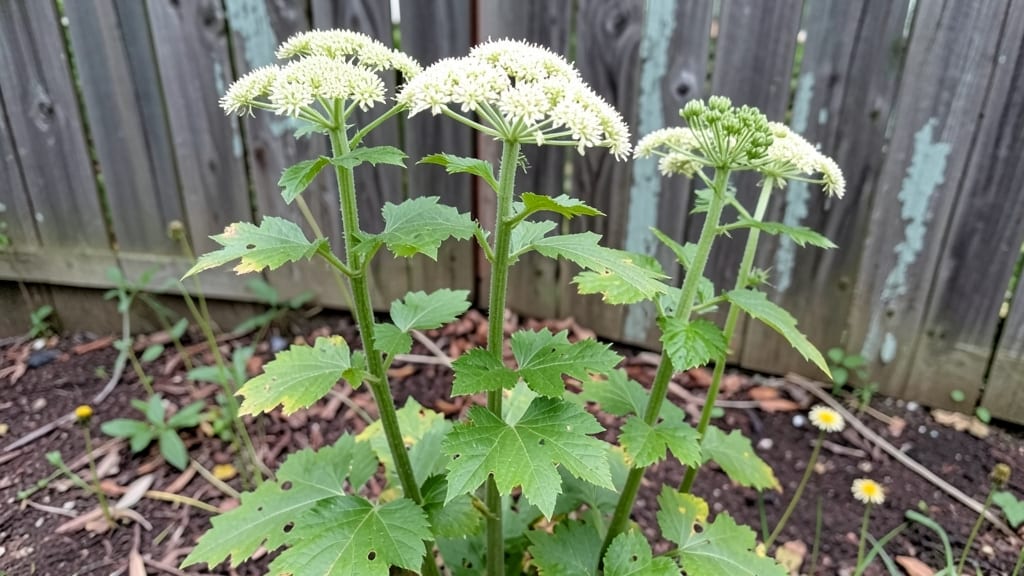
Growing a garden angelica flower 🌸 in your backyard isn't just about adding height—it's about unlocking a plant with centuries of medicinal magic.
Picture this: a 6-foot-tall tower of lacy white blooms, its roots packed with compounds that soothe digestion and boost immunity. But here's the catch—if you harvest too early or dry it wrong, you'll miss out on its full power.
I've spent years perfecting the timing, and now I'm sharing the exact steps to turn your angelica into a year-round remedy.
From the July-to-September harvest window to the best drying methods that preserve potency, this guide cuts through the guesswork. Whether you're steeping flowers for tea or preserving roots for tinctures, you'll learn how to maximize every part of this USDA Zone 6a superstar.
Ready to turn your garden into a natural pharmacy? Let's dive into the secrets of harvesting, drying, and using angelica like a pro.
When and how to harvest garden angelica for maximum medicinal benefits
The garden angelica flower reaches its peak medicinal potency when harvested at the right stage. For leaves, aim for the early flowering stage (around July-August) when they’re largest and most aromatic.
The flowers should be collected just as they begin opening—this ensures maximum volatile oil content, which is key for immune-boosting properties. Meanwhile, roots are best dug in early spring or fall, when the plant’s energy is stored underground.
Timing is everything—harvesting too early means underdeveloped compounds, while waiting too long can reduce potency. The early morning is ideal because the plant’s essential oils are most concentrated after a night’s dew.
Use sharp pruners or a clean knife to avoid damaging the plant, and always wear gloves to protect your skin from photosensitizing compounds.
Here’s how to identify the perfect harvest window for each part of the plant:
Collect young, outer leaves when the plant is 2-3 feet tall (around 60-90 days after planting). Use clean scissors to snip just above a leaf node.
Pick umbel clusters when 20-30% open (usually July-September). Cut the entire stem with a 6-inch handle for easier processing.
Wait until flower heads turn brown (late summer). Let them fully dry on the plant before gently rubbing seeds into a paper bag.
Use a garden fork to carefully lift 2-year-old roots in spring or fall. Shake off soil and wash briefly with cool water.
Different parts of the garden angelica flower offer unique benefits. The leaves are rich in vitamin C and coumarins, making them ideal for digestive teas. The flowers contain high levels of angelicin, a compound used in photosensitizing treatments.
Meanwhile, the roots are prized for their antispasmodic and expectorant properties, often used in tinctures for respiratory health.
After harvesting, process each part immediately to preserve its medicinal properties. For leaves and flowers, hang them in small bundles in a dark, well-ventilated area. Roots should be sliced thinly and dried on a screen to speed up the process.
Avoid direct sunlight, as it can degrade volatile oils and reduce potency.
One common mistake is harvesting overripe flowers—they lose their aromatic compounds quickly. Always check for firm stems and vibrant color before cutting. If you’re unsure, sample a small batch first to test flavor and fragrance. This ensures you’re capturing the plant’s peak medicinal power for your remedies.
For long-term storage, keep dried garden angelica in airtight glass jars away from moisture and light. Label each jar with the harvest date and plant part (e.g., "Angelica Flowers – July 2024").
Properly stored, the dried material can retain its therapeutic properties for up to 1 year, though potency may gradually decline over time.
If you’re growing garden angelica for medicinal use, consider planting multiple specimens to ensure a consistent harvest. The plant’s tall stature (6-8 feet) makes it a striking addition to any herb garden, but its deep roots mean it thrives best in well-drained, fertile soil with partial shade.
With the right care, you’ll have a year-round supply of this powerful herb.
Remember, angelica contains photosensitizing compounds—always wear gloves when handling fresh or dried parts, and avoid prolonged sun exposure after contact. When used correctly, this versatile plant can be a game-changer for your natural medicine cabinet.
Step-by-step guide to drying angelica flowers for long-term storage
Preserving your garden angelica flowers properly is key to maintaining their medicinal potency and aromatic qualities. Whether you're drying them for herbal teas, tinctures, or ornamental displays, the right method ensures you capture their full benefits without mold or spoilage.
I’ve perfected two reliable techniques—air-drying and dehydrator methods—that work beautifully for this delicate flower.
Before you begin, timing matters. Harvest your angelica flowers in the early morning when dew is present, as this preserves their essential oils and flavonoids. Cut stems at a 45-degree angle to maximize surface area for drying, and remove any damaged or wilted blooms immediately.
This step sets the foundation for successful preservation.
Angelica flowers are prone to mold growth due to their high moisture content. Never dry them in humid conditions (above 50% humidity) or with direct sunlight, which can degrade their active compounds. Always use a well-ventilated space or low-heat dehydrator (below 95°F) to prevent spoilage.
For air-drying, gather your angelica flowers and tie small bundles with twine, leaving the stems exposed. Hang them upside down in a dark, dry spot with good airflow, like a garage or shed.
Avoid attics or basements, as condensation can ruin your harvest. This method takes 2-3 weeks, but it’s the most gentle for preserving volatile oils.
If you’re short on time, a dehydrator is your best friend. Set it to 95°F (35°C)—any hotter, and you’ll lose therapeutic properties. Arrange the flowers in a single layer on dehydrator trays, ensuring they don’t touch.
Check them every 4-6 hours to prevent browning. With this method, your angelica flowers will be fully dry in 12-24 hours, ready for storage.
To test for proper dryness, gently rub a flower between your fingers. If it crumbles easily and feels lightweight, it’s ready. Store your dried angelica flowers in airtight glass jars or paper bags in a cool, dark place (like a pantry).
Label them with the harvest date—properly stored, they’ll retain potency for up to 1 year. For longer storage, consider freeze-drying for maximum preservation.
One pro tip: Combine drying methods for large batches. Air-dry the majority, then use the dehydrator for faster finishing if needed. Just remember—patience is key with angelica.
Rush the process, and you risk losing the medicinal magic you worked so hard to cultivate. Now, grab those shears and get drying! 🌸