
Pests and Diseases
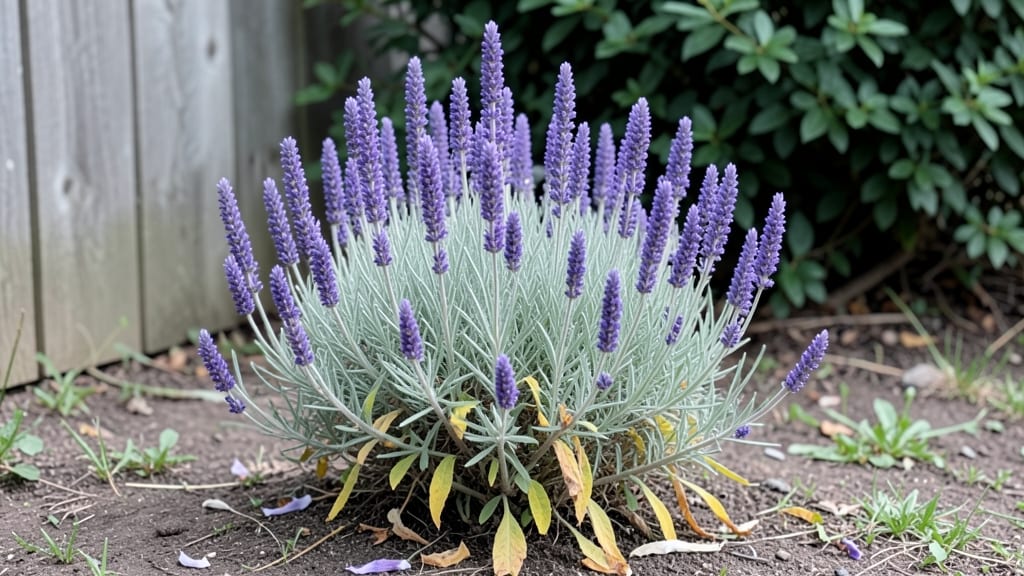
That purple-flowered weed creeping through your garden isn’t just an eyesore—it’s likely Purple Dead Nettle, a tough little plant that thrives where grass won’t. I’ve spent years wrestling with these tenacious invaders, and I’ll show you how to spot them early before they take over your beds.
Their fuzzy leaves and clustered purple blooms might look pretty, but they’ll smother your prized plants if left unchecked.
Here’s the thing—these weeds aren’t all bad. They attract early-season pollinators and even have mild medicinal uses, but most gardeners just want them gone.
The key is timing: pull them when the soil is moist (spring or fall works best), and you’ll avoid the frustration of watching them bounce back after a shallow tug. A sharp hoe or vinegar spray can also help, but consistency is everything.
By the end of this guide, you’ll recognize these purple flowers on sight and know exactly how to remove them without damaging your garden. The best part?
You’ll reclaim space for your actual plants while still letting nature do its thing—just on your terms. Let’s get those weeds under control once and for all.
Whether you’re dealing with a small patch or a full-blown invasion, these methods work for any garden size. The secret is acting fast—before those purple blooms turn into next year’s problem. Ready to take back your garden?
Root Causes Of Purple Blooms
Discovering a purple-flowered weed in your garden can feel like an unwelcome surprise—especially when it seems to pop up overnight. But why do these tenacious plants thrive where others don’t?
The answer lies in a mix of environmental factors, plant biology, and even human habits. Let’s break down the science behind their persistence and how they outcompete your desired flora.
###
🌱 Soil Conditions Favor Weed Growth
Purple-flowered weeds like Hibiscus trionum (Florida crimson) or Portulaca grandiflora (moss rose) often dominate because they’ve adapted to thrive in conditions that many garden plants avoid. Here’s how soil plays a role:
- Poor Drainage: Weeds with purple blooms frequently sprout in compacted or waterlogged soil. Unlike deep-rooted perennials, they germinate quickly in shallow, moist layers—ideal for seeds waiting for the right moment to sprout. 💡 Pro Tip: Amend clay-heavy soil with compost or sand to improve aeration and discourage weed seeds from germinating.
- Low Nutrient Competition: Some purple-flowered weeds, like Tradescantia (spiderwort), grow aggressively in nutrient-poor soil. They’ve evolved to absorb minimal resources, making them resilient in areas where lawns or ornamental plants struggle. ✨ Actionable Fix: Conduct a soil test to identify deficiencies. Adding balanced fertilizer may help your desired plants outcompete weeds.
- pH Imbalance: Weeds like Lamium purpureum (purple deadnettle) often flourish in acidic or alkaline soils where pH levels are extreme. Their roots can tolerate broader pH ranges than many vegetables or flowers. 📊 Test & Adjust: Use lime to raise pH or sulfur to lower it, creating a less hospitable environment for these weeds.
###
🌞 Light And Seasonal Triggers
Purple-flowered weeds are opportunistic survivors, capitalizing on light exposure and seasonal shifts that most gardeners overlook:
- Full-Sun Tolerance: Many weeds with vibrant purple blooms, such as Convolvulus arvensis (field bindweed), thrive in full sunlight—outcompeting shade-loving plants. They photosynthesize efficiently even in hot conditions, while some of your garden plants may wilt. 🌡️ Solution: Mulch heavily around desired plants to block sunlight from reaching weed seeds before they germinate.
- Early Spring Germination: Weeds like Viola sororia (common violet) often germinate in early spring when soil temperatures are ideal (around 60–70°F). Their seeds lie dormant until conditions are perfect, while slower-growing plants haven’t yet established themselves. ⏰ Timing Is Key: Apply pre-emergent herbicides in late winter to prevent early sprouts.
- Heat And Drought Resistance: Some purple-flowered weeds, such as Portulaca oleracea (purslane), store water in their succulent stems and leaves, allowing them to survive dry spells that kill off thirstier plants. 💧 Water Strategically: Deep, infrequent watering encourages deeper roots in your garden plants, making them more resilient than shallow-rooted weeds.
###
🌿 Human Activities Accelerate Spread
Even the most diligent gardener can unintentionally create the perfect conditions for purple-flowered weeds. Here’s how:
- Over-Tilling: Frequent tilling brings buried weed seeds to the surface, where they germinate en masse. Weeds like Chenopodium album (lambsquarters, which can have purple-tinged leaves) take advantage of disturbed soil. 🔥 Avoid Over-Tilling: Use mulch or smother weeds with cardboard instead of repeatedly turning the soil.
- Improper Watering: Splashing water from hoses or overhead irrigation can disperse weed seeds across your garden. Additionally, inconsistent watering creates patches where weeds thrive while other plants struggle. 👨🍳 Water at the Base: Use drip irrigation or soaker hoses to keep moisture where it belongs—on your plants, not your weeds.
- Compost And Mulch Contamination: Store-bought compost or mulch sometimes contains weed seeds, including those from purple-flowered species. Even homemade compost can harbor viable seeds if not heated to at least 140°F during decomposition. 🔪 Sterilize Materials: Bake compost in a pile for 2–3 weeks or use commercial sterilized mulch.
###
🐞 Ecosystem And Pest Dynamics
Believe it or not, the presence of certain insects, animals, or even beneficial microbes can indirectly encourage purple-flowered weeds:
- Lack Of Herbivores: Some weeds produce toxins that deter herbivores, while others, like Trifolium pratense (purple clover), are actually beneficial to pollinators. If your garden lacks natural predators (like deer, rabbits, or insects that target weeds), these plants can spread unchecked. 🐇 Introduce Controls: Encourage grazing animals or hand-pull weeds before they seed.
- Mycorrhizal Fungi Support: Certain weeds form symbiotic relationships with soil fungi, giving them a competitive edge in nutrient uptake. If your garden soil lacks beneficial microbes for your desired plants, weeds may dominate. 🌡️ Boost Soil Life: Add compost teas or mycorrhizal inoculants to support your plants’ root systems.
- Monoculture Planting: Gardens with large patches of a single plant species (like lawns or vegetable rows) create uniform environments where weeds like Echium vulgare (viper’s bugloss) can thrive due to reduced biodiversity. 🌿 Diversify Your Garden: Interplant flowers, herbs, and vegetables to disrupt weed growth patterns.
Practical ways to remove purple flowering weeds
Dealing with purple-flowering weeds can feel like a losing battle, but with the right strategies, you can reclaim your garden. Below, we’ve mapped out cause-specific solutions—plus prevention tips—to help you tackle these persistent invaders effectively.
🌱 Overcrowding & Poor Soil Conditions
When weeds thrive, it’s often because your garden lacks competition or nutrients. Purple-flowering weeds like henbit, purple deadnettle, or creeping charlie seize opportunities in thin soil or overworked beds.
How to Fix It:
- 🔥 Mulch Thickly – Apply 3–4 inches of organic mulch (straw, wood chips, or shredded leaves) to block sunlight and suppress weed seeds.
- 👨🍳 Feed the Good Plants – Boost soil health with compost or a balanced fertilizer (10-10-10) to help desired plants outcompete weeds.
- 🌱 Hand-Pull Strategically – Remove weeds before they seed (early morning or after rain when soil is moist). Use a hula hoe for larger patches.
💡 Prevention Tip: Test your soil’s pH—purple-flowering weeds often love slightly acidic to neutral soil (6.0–7.0). Amend with lime (to raise pH) or sulfur (to lower it) if needed.
🌧️ Watering & Moisture Issues
Weeds with purple blooms (like bindweed or spotted knapweed) often dominate because they’re drought-tolerant and thrive in uneven moisture.
How to Fix It:
- 💧 Adjust Watering Habits – Water deeply but infrequently (1–1.5 inches per week) to encourage deep root growth in your plants, not weeds.
- 🔪 Smother with Landscape Fabric – Lay perforated fabric under mulch in high-weed areas to block light without suffocating soil.
- 🌡️ Solarize Problem Spots – In hot climates, cover weeds with clear plastic for 4–6 weeks to bake them out (best in full sun).
🎯 Pro Tip: If you spot bindweed (morning glory lookalike), never till—its roots fragment easily, spreading more. Instead, dig deeply with a weeding fork.
🐞 Pest & Disease Pressure
Weakened plants attract weeds, and some purple bloomers (like purple loosestrife) spread aggressively in disturbed or diseased soil.
How to Fix It:
- 🛡️ Strengthen Plants – Apply neem oil or copper fungicide to prevent fungal/bacterial issues that invite weeds.
- 🐛 Introduce Beneficial Insects – Ladybugs and lacewings eat weed seeds—plant dill, fennel, or alyssum to attract them.
- ⏰ Rotate Cultivation – Avoid planting the same crops yearly in affected areas to break weed/disease cycles.
✨ Prevention Tip: Companion planting works! Marigolds, basil, and thyme repel many purple-flowering weeds naturally.
🌿 Lawn & Landscape Spread
Weeds like clover (purple varieties) or chickweed spread via wind, water, or mower blades.
How to Fix It:
- 🔪 Mow High & Often – Set your lawnmower to 3–4 inches to shade out weeds.
- 🚫 Avoid Over-Fertilizing – Too much nitrogen favors broadleaf weeds over grass. Use slow-release, organic fertilizer instead.
- 🧹 Clean Tools Regularly – Rinse mower blades and garden tools with soapy water to remove hitchhiking weed seeds.
💡 Long-Term Fix: Sod or plant dense ground covers (like creeping thyme or clover alternatives) to outcompete invasive purple bloomers.
Final Thought: The key is consistency—combine physical removal, soil improvement, and smart watering for lasting results. With these methods, your garden will bloom with your chosen plants (not the weeds)! 🌸🌿
Frequently asked questions
How can I tell if a purple-flowered plant is actually a weed?
Look for key traits like rapid growth, aggressive spreading, or flowers appearing where you don’t want them. Many garden weeds like purple dead nettle have fuzzy leaves and grow close to the ground, while desirable plants often have more structured growth patterns. If it’s crowding out your plants or popping up in unexpected spots, it’s likely a weed!
Are some purple-flowered weeds actually beneficial?
Yes! Some purple bloomers like purple clover attract pollinators and even improve soil nitrogen. However, others like creeping Charlie (ivy) can smother your garden. The key is distinguishing between helpful species and invasive ones—focus on removing the aggressive spreaders while preserving the beneficial ones.
What’s the best time of year to remove purple-flowered weeds?
Early spring or fall is ideal when soil is moist but not waterlogged. Weeds are easier to pull before they flower and spread seeds. Avoid summer heat, as plants become tougher to remove and you risk damaging your garden. Morning dew makes the job even easier!
Will vinegar kill purple-flowered weeds permanently?
Yes, but it’s best for spot treatment. A 3:1 vinegar-to-water mix sprayed directly on weeds can kill them quickly. However, it may also harm nearby plants, so use cautiously. For larger areas, consider mulching or hand-pulling instead.
Can I use compost to prevent purple-flowered weeds?
Compost can help, but only if it’s well-aged and free of weed seeds. Fresh compost may contain viable seeds that will sprout. To prevent weeds, use sterilized compost or create your own by heating homemade piles to 140°F for 2–3 weeks. This kills weed seeds while enriching your soil.