
Blooming
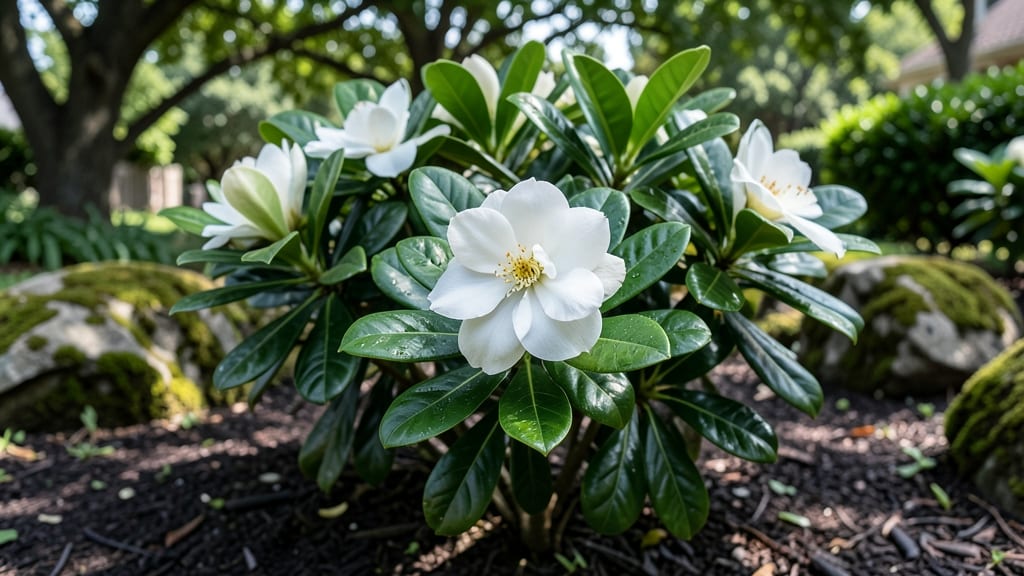
Your gardenia flowering season can stretch from late spring through summer with the right care, turning your yard into a fragrant paradise 🌸.
If you’ve ever grown gardenias and struggled with sporadic blooms, you’re not alone—these fragrant beauties thrive on precise timing and environmental cues.
In USDA Zone 6a, gardenias typically bloom from June to September, but tropical climates can extend this window year-round. The key lies in understanding their light, soil, and pruning needs.
Below, I’ll break down the exact triggers to encourage continuous blooms, from sunlight placement to soil pH, so you can enjoy those iconic white flowers for months.
Gardenia flowering season by month: natural blooming cycles explained
Gardenia plants are famous for their intense fragrance and glossy white blooms, but their flowering patterns vary dramatically based on climate and region. Understanding these natural cycles helps you anticipate—and even encourage—more abundant blooms.
In temperate zones like the US, gardenias typically bloom from late spring to early fall, while tropical varieties may flower year-round with the right care.
The key to predicting blooms lies in recognizing pre-bloom signs, like bud formation and leaf growth. Healthy gardenias show dark green, glossy leaves and tight green buds weeks before flowers open.
These signs appear most consistently in spring and early summer, but timing shifts in warmer climates. Let’s break down the month-by-month blooming windows and what they mean for your garden.
🌱 Visual Guide: Use this table to track gardenia blooming cycles by climate zone and identify the best months for bud care and post-bloom maintenance.
In temperate US zones (like Zones 7-9), gardenias burst into bloom from June to September, with the heaviest flowering in July and August. This aligns with warmer temperatures and longer daylight hours.
Look for green buds forming in April or May—this is your cue to reduce nitrogen fertilizer and shift to phosphorus-rich feeds to promote blooming.
European gardenias, often grown in Mediterranean climates, follow a similar spring-to-summer pattern but peak earlier, from May to July. The cooler winters in regions like Southern France or Italy trigger a dormancy period, so buds swell in March or April as days lengthen.
Prune lightly after the first frost to encourage next year’s buds.
Tropical gardenias, such as Gardenia jasminoides, defy seasonal rules and can bloom year-round, though they often peak in spring and fall. In USDA Zones 10-12, these plants thrive with consistent warmth and humidity, so their bud formation is less predictable.
Monitor for new leaf growth—a sign of active blooming cycles—and adjust watering to keep soil evenly moist.
For gardeners in colder climates (Zones 6 or below), gardenias may only bloom from July to August, with a shortened season due to frost risks. Buds form later, often in June, and leaves grow more slowly.
To extend the season, plant in sheltered spots and mulch heavily to protect roots from temperature swings.
Identifying pre-bloom signs is crucial for timing care correctly. Watch for green buds forming at leaf axils (the junction where leaves meet stems). These buds will swell and turn slightly yellow before opening into fragrant white flowers.
Pair this with dark green, glossy leaves—a sign of healthy photosynthesis fueling blooms. If leaves appear dull or yellow, your plant may need more sunlight or acidic fertilizer.
After flowers fade, don’t prune immediately—wait until late fall or early winter in temperate zones. This allows the plant to store energy for next year’s blooms. In tropical areas, light pruning after heavy blooms helps maintain shape and <
Climate triggers that force gardenias to bloom year-round
Gardenias are sensitive to their environment, and temperature, humidity, and light exposure directly control their flowering cycles. To extend your gardenia flowering season, you’ll need to mimic their natural tropical habitat as closely as possible.
In USDA Zone 6a, gardenias typically bloom from June to September, but with the right adjustments, you can coax them into flowering nearly year-round. The key is maintaining a consistent 60-75°F temperature range and 60%+ humidity—conditions that keep them comfortable and stress-free.
Start by placing your gardenias in a location with morning sunlight (4-6 hours) and afternoon shade, especially in hot climates. Too much direct afternoon sun can stress the plant and reduce blooming.
If you’re in a cooler climate, consider using a grow light for 12-14 hours a day to simulate longer days.
Humidity is another critical factor. Gardenias love moist air, so if your home or garden is dry, use a humidifier or place a tray of water near the plant. In outdoor settings, mist the leaves lightly in the morning to boost humidity without risking fungal issues.
Pruning plays a surprising role in encouraging continuous blooms. After your gardenia finishes flowering, trim back dead or overgrown branches to about half their length. This stimulates new growth and more flower buds. Always use sterilized shears to prevent disease transmission.
Finally, feed your gardenia with a balanced, acidic fertilizer (like azalea fertilizer) every 4-6 weeks during the growing season. Avoid over-fertilizing, as this can lead to leafy growth at the expense of flowers. A little extra care in these areas will transform your gardenia into a year-round bloomer! 🌸