
Blooming
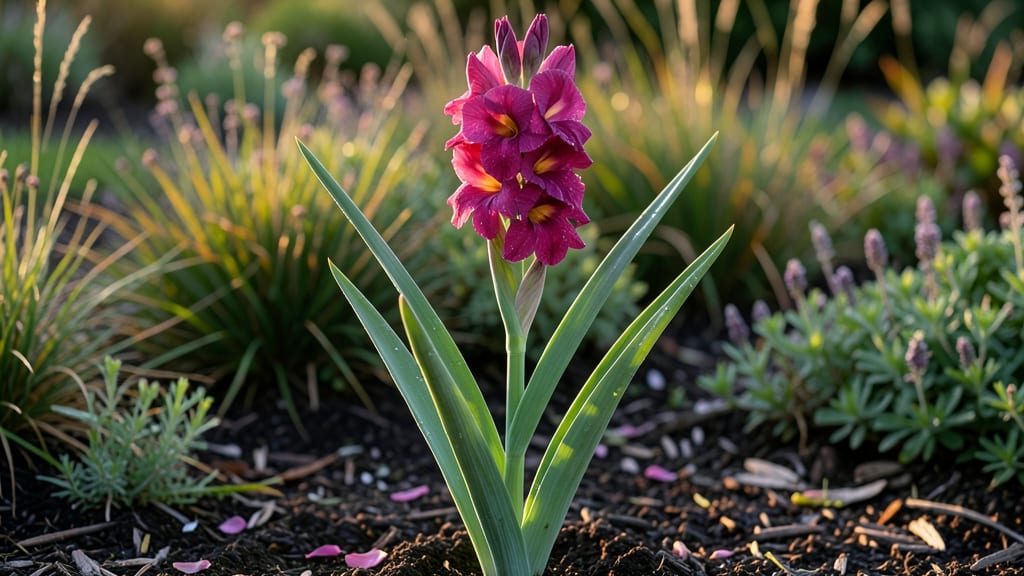
The gladiolus flowering season transforms your garden into a vertical burst of color 🌸—but only if you time it right. If you’ve ever planted gladiolus corms in spring and watched them bloom and fade by late summer, you’re not alone.
The key to extending that vibrant display lies in understanding your USDA zone, soil prep, and a few simple tricks to coax extra weeks of blooms.
Gladiolus thrive in full sun and well-draining soil, but their bloom timing varies wildly depending on where you live. In Zone 6a, like much of the Midwest, expect blooms from mid-July to early September—but in warmer zones, like the South, they can stretch into October.
The secret? Planting in stages and choosing the right varieties for your climate.
Below, I’ll break down the exact months for peak blooms by zone, how to encourage longer flowering, and the common mistakes that cut your season short. Whether you’re a first-time gardener or a seasoned pro, these tips will help you turn your gladiolus into a season-long showstopper.
Ready to unlock continuous blooms from summer to fall? Let’s dive into the timing, care, and variety choices that make it happen.
Gladiolus flowering season by USDA zone: month-by-month breakdown
Timing your gladiolus planting is the secret to unlocking vibrant summer and fall blooms. These dramatic sword-shaped flowers thrive on a 6–8 week growth window from corm planting to peak bloom, but the exact months vary wildly depending on your USDA hardiness zone.
In Zone 3, you might see early blooms in June, while Zone 11 gardeners enjoy late-season displays into November.
Understanding your zone’s last frost date and average first frost helps you plan for early, mid, and late-season varieties.
For example, early bloomers like 'Green Star' or 'Picasso' may appear as soon as late June in warmer zones, while late-season varieties like 'Black Pearl' can extend your display until October frost. Let’s break down the month-by-month timeline for each zone to maximize your gladiolus season.
Pro Tip: Plant 4–6 weeks before your last frost for summer blooms, and stagger plantings every 2 weeks to extend your display. This simple trick turns a 6-week bloom window into a 3-month garden showstopper.
| USDA Zone | Planting Time | Early Bloom Month | Peak Bloom Month | Late Bloom Month | Notes |
|---|---|---|---|---|---|
| 3–4 | Late April–May | Late June | July–August | Early September | Use cold-hardy varieties like 'White Friendship'. |
| 5–6 | Early April–May | Early June | June–August | September | Ideal for succession planting every 2 weeks. |
| 7–8 | March–April | May | June–September | October | Try tropical varieties like 'Red Beauty'. |
| 9–10 | February–March | April | May–October | November (with protection) | Plant year-round in mild winters. |
| 11 | January–February | March | April–November | December | No frost risk—plant anytime for continuous blooms. |
In Zones 3–4, where winters are harsh, focus on early-season varieties like 'White Friendship' or 'Pink Star'. These cold-tolerant gladiolus can handle late spring frosts and still deliver late June to August blooms.
Plant your corms 4–6 inches deep in well-draining soil and cover them with mulch to protect against early frost.
For Zones 5–6, the golden window for planting is April to early May, ensuring blooms from early June through September.
This is the perfect zone for succession planting: plant a new batch every 2 weeks to keep your garden bursting with color. Mid-season varieties like 'Blackout' or 'Apricot Beauty' thrive here and provide long-stemmed blooms ideal for cutting.
Gardeners in Zones 7–8 enjoy the longest gladiolus season, from May through October. Start planting as early as February for
How to extend your gladiolus flowering season with succession planting
Succession planting is the secret weapon for turning your gladiolus from a fleeting summer display into a multi-month spectacle. Instead of planting all your corms at once, stagger them in 3-week intervals to create a rolling wave of blooms.
This method works because gladiolus need about 8-10 weeks from planting to peak bloom—so by spacing your plantings, you ensure fresh flowers every few weeks.
The key is choosing the right variety timing for your zone. In Zone 6a, for example, start your first batch in early May (for July blooms), then follow with plantings in mid-May and early June to extend color into September.
For warmer zones like Zone 9, you can even plant a final batch in July for fall blooms before frost.
Before you begin, prep your soil with compost and sand to ensure well-draining conditions—gladiolus hate soggy roots. Test your soil pH (aim for 6.0-6.5) and amend if needed.
A balanced fertilizer (10-10-10) applied at planting will give your corms the boost they need to produce long, sturdy stems with vibrant blooms.
Step-by-Step Succession Planting for Gladiolus
- 📅 Choose Your Planting Dates: Space 3 batches 3 weeks apart (e.g., May 1, May 22, June 12 in Zone 6a). Adjust for your zone—warmer areas can plant later.
- 🌱 Select Varieties: Mix early bloomers (e.g., 'Picasso') with late-season types (e.g., 'Green Star') for continuous color. Dwarf varieties (18-24") work well for containers.
- 📏 Space Corms Properly: Plant 4-6 inches deep and 4-6 inches apart in rows 12-18 inches apart to prevent overcrowding and fungal spread.
- 💧 Water Deeply After Planting: Soak the soil to 1-2 inches deep to encourage root growth. Keep soil evenly moist (not soggy) until stems emerge.
- ☀️ Ensure Full Sun: Gladiolus need 6+ hours of direct sunlight daily. If your garden is shady, use reflective mulch or plant near light-colored walls to maximize light.
- 🌿 Fertilize Strategically: Apply a light feed (½ tbsp 10-10-10) when shoots are 4 inches tall, then again when buds form. Avoid over-fertilizing—it reduces bloom quality.
- ✂️ Deadhead and Support: Remove spent blooms to encourage more flowers and stake tall varieties (3+ ft) to prevent flopping in wind or rain.
For container gardening, use large pots (12+ inches deep) with drainage holes and plant 3-5 corms per container. Succession plant every 2 weeks in smaller batches to avoid overcrowding. Place containers in south-facing spots or on patios where they’ll get maximum sunlight.
Pro tip: Label your plantings with stakes or a garden journal to track which batch is which. This helps you rotate varieties yearly and avoid planting the same types too close together (which can spread diseases).
With this method, you’ll enjoy continuous blooms from July to October—or even later in frost-free zones!
Remember, gladiolus are heavy feeders, so don’t skimp on nutrients. A mulch layer (2-3 inches of straw or shredded leaves) will help retain moisture and keep roots cool during hot spells. By following these steps, your garden will be a nonstop parade of color all season long 🌸.