
Pests
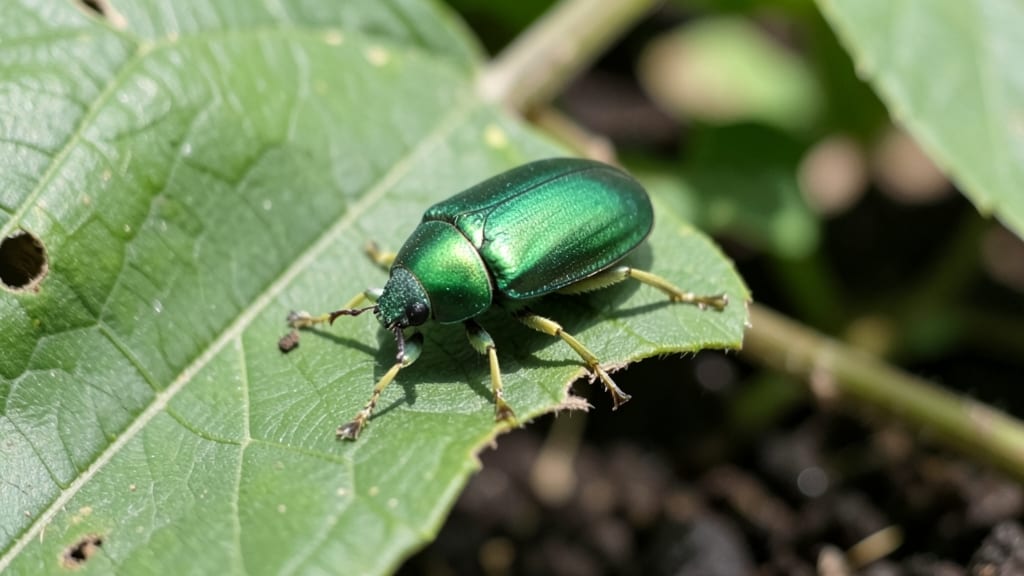
Green flower beetles are the sneaky culprits behind those chewed leaves and wilting blooms you’ve been blaming on aphids. 🌿 I’ve spent years tracking these glossy green invaders across my garden—only to realize they’re far more destructive than I first thought.
These beetles don’t just nibble; they devour entire flower petals and young seedlings overnight, leaving behind a trail of frustration that’s hard to ignore.
The worst part? They’re often mistaken for harmless ladybugs at first glance, but their larvae are the real troublemakers—voracious little worms that burrow into roots and stems. Unlike ladybugs, which protect your plants, these beetles thrive in moist, shaded areas where many gardeners overlook them until it’s too late.
My first season with them taught me the hard way: ignoring them leads to stunted plants and missed harvests.
Here’s the good news: you can outsmart them without chemicals. Handpicking works surprisingly well when you catch them mid-munch, and companion plants like marigolds or garlic act as natural repellents. Even better, encouraging birds and ground beetles turns your garden into their own pest-control army.
By the end of summer, you’ll have a system that keeps these beetles in check while preserving the balance of your ecosystem.
This isn’t just about quick fixes—it’s about long-term strategies that protect your plants without harming the soil or beneficial insects. Whether you’re dealing with a small infestation or a full-blown outbreak, these methods adapt to any garden size or climate. Let’s get those beetles under control for good.
Nature’s Call: Why These Beetles Invade
Green flower beetles—often mistaken for ladybugs—don’t just show up out of nowhere. Their presence is usually a response to specific environmental cues, food availability, or even human activity.
Understanding the root causes behind their arrival helps you address the issue more effectively. Let’s break down why these shiny, green invaders decide to crash your garden party.
🌿 Seasonal cycles & climate shifts
Green flower beetles, like many insects, are highly sensitive to temperature and daylight changes. Their life cycles are tightly linked to seasonal shifts, and their movements often align with:
- Warmer months: As temperatures rise in spring and summer, these beetles emerge from overwintering sites (like leaf litter, bark, or soil) to feed and reproduce. If your area experiences an unusually warm winter or early spring, you may see them appear earlier than expected.
- Rainfall patterns: Moisture triggers plant growth, which in turn attracts their favorite food sources—pollen, nectar, and tender leaves. After a dry spell followed by rain, expect a surge in beetle activity.
- Drought stress in plants: Surprisingly, drought can also lure them in. Stressed plants produce more sugars in their leaves and flowers, making them a high-calorie snack for hungry beetles.
Actionable tip: Monitor local weather forecasts and adjust your pest prevention strategies accordingly. If you notice a spike in activity after rain or heatwaves, act fast—these beetles reproduce quickly!
🍃 Abundant food sources in your yard
Green flower beetles aren’t picky eaters—they’ll feast on almost any flowering plant, vegetable, or herb. Their presence is often a sign that your garden is a buffet waiting to happen. Common triggers include:
- Flowering plants: Beetles are drawn to bright, open blooms like marigolds, sunflowers, and roses. These flowers provide easy access to pollen and nectar, their primary food sources.
- Vegetable gardens: If you grow crops like squash, cucumbers, or beans, you’ve got a magnet for these beetles. They’ll chew on leaves and flowers, reducing yields and damaging plants.
- Weeds and wildflowers: Overgrown areas with clover, dandelions, or other weeds offer unlimited grazing and breeding grounds. A messy yard = more beetles.
- Compost piles: Decaying organic matter attracts beetles looking for moisture and nutrients. If your compost is teeming with life (including pests), it’s a hotspot for infestations.
Pro tip: 🌱 Rotate crops and remove spent flowers regularly to limit their food supply. If you love flowers, opt for beetle-resistant varieties like basil or petunias to deter them naturally.
🏡 Human habits that accidentally attract them
Sometimes, our well-intentioned gardening or landscaping choices unwittingly invite green flower beetles. Here’s how:
- Overwatering: While beetles need moisture, excessive watering can create soggy soil and rotting plant matter—perfect breeding grounds for their larvae.
- Using chemical fertilizers: Synthetic fertilizers can stress plants, making them more vulnerable to pest attacks. Beetles are opportunistic and will target weakened vegetation.
- Ignoring yard debris: Piles of leaves, wood chips, or mulch provide hiding spots and shelter for beetles and their eggs. A tidy yard is less appealing to them.
- Planting near water sources: Beetles are attracted to areas with high humidity, so placing gardens close to faucets, ponds, or irrigation systems can make your space more inviting.
Quick fix: 💡 Switch to organic mulch and avoid overwatering. Keep your yard clean and clutter-free—beetles prefer the chaos!
🐝 Natural predator declines & ecosystem imbalance
In a healthy ecosystem, green flower beetles are kept in check by natural predators like birds, spiders, and parasitic wasps. However, when these predators disappear—due to pesticide use, habitat loss, or climate change—beetle populations can explode. Signs of an imbalance include:
- Fewer birds or beneficial insects: If you’ve noticed a drop in local bird activity or a lack of ladybugs/lacewings, your garden may be losing its natural defense system.
- Monoculture gardening: Planting only one type of plant (like a massive tomato patch) removes biodiversity, making it easier for beetles to overwhelm a single food source.
- Disrupted seasonal timing: Early springs or delayed winters can throw off the life cycles of predators, giving beetles a head start in reproduction.
Eco-friendly solution: ✨ Plant native flowers and herbs to attract predator species. Avoid broad-spectrum pesticides—they harm both pests and their natural enemies.
Quick Fixes for Beetle Infestations
Got unwanted visitors in your garden or home? These green flower beetles (or similar pests) can be a nuisance, but the good news is you can tackle them effectively with the right approach.
Below, we’ve broken down practical solutions based on the most common causes—whether they’re drawn to your plants, sneaking indoors, or damaging your crops. Each fix is designed to be easy, natural, and long-lasting, so you can enjoy your outdoor (or indoor) space without the creepy-crawlies.
🌿 When Beetles Invade Your Garden
Cause: Your plants are a beetle buffet—lush, fragrant, or weak from overwatering. Fix: Make your garden less appealing and create natural barriers.
🔥 Remove Their Favorite Host Plants
Some beetles (like the green June beetle) target specific plants:
- Avoid planting: Roses, lilacs, grapes, or fruit trees if you’ve seen beetles feasting.
- Swap them out for beetle-resistant plants like marigolds, lavender, or catnip—these repel pests naturally.
🍳 DIY Traps with Fermenting Fruit
Beetles are attracted to fermenting odors—use this to your advantage!
- Fill a bucket with overripe fruit (bananas, apples, or citrus peels).
- Add water and a splash of beer or vinegar to speed up fermentation.
- Cover with plastic wrap, poke holes for airflow, and place near infested areas.
- Check daily—drown trapped beetles in soapy water.
👨🍳 Handpick Early in the Morning
- Beetles are slow-moving in cool temps (early morning or evening).
- Wear gloves, shake them into a bucket of soapy water, and dispose of them far from your garden.
🥘 Prevent Future Visits
- Prune damaged leaves regularly to remove egg-laying sites.
- Mulch with diatomaceous earth (food-grade) around plants—it’s a natural desiccant that kills beetle larvae.
- Encourage natural predators like birds, toads, or parasitic wasps by keeping a diverse, healthy garden ecosystem.
🏠 When Beetles Sneak Indoors
Cause: They’re seeking shelter, moisture, or accidentally hitchhiked on plants/firewood. Fix: Seal entry points and disrupt their indoor comfort.
🔪 Seal Gaps and Cracks
- Inspect your home for gaps in windows, doors, or foundation cracks.
- Use caulk or weather stripping to block entry points—beetles are tiny but can squeeze through 1/16-inch gaps.
- Install fine mesh screens on vents and attic openings.
🌡️ Reduce Moisture Hotspots
Beetles love damp areas—fix leaks and:
- Use dehumidifiers in basements or crawl spaces.
- Store firewood at least 20 feet away from your home and elevated off the ground.
- Fix leaky pipes or standing water near foundations.
🎯 DIY Indoor Traps
- Sticky traps (yellow or white) placed near windows/doors.
- Pheromone traps (if you’ve identified the species—check local garden stores).
- Duct tape traps: Place strips near entry points—beetles get stuck and can’t escape.
✨ Prevent Hitchhiking
- Inspect firewood, mulch, and new plants before bringing them indoors.
- Shake out outdoor items (like potted plants or gardening tools) before storing them inside.
🍎 When Beetles Damage Crops or Flowers
Cause: They’re chewing leaves, stems, or fruits, leading to stunted growth. Fix: Protect your plants without harsh chemicals.
💡 Use Neem Oil Spray
A natural insecticide that disrupts beetle life cycles:
- Mix 2 tbsp neem oil + 1 tsp mild soap per quart of water.
- Spray on leaves (avoid flowering plants if bees are active).
- Reapply every 5–7 days until beetles disappear.
🔥 Introduce Beneficial Nematodes
- Microscopic worms that paralyze and kill beetle grubs in the soil.
- Apply in early evening (they’re sensitive to sunlight) by watering them into the soil around affected plants.
🌱 Rotate Crops & Plant Companion Plants
- Avoid planting the same crops in the same spot yearly (beetles target familiar food sources).
- Interplant with repellent herbs like basil, mint, or thyme to confuse pests.
🚫 Avoid Overwatering
- Soggy soil attracts beetle larvae—water deeply but let the top inch of soil dry between waterings.
🛡️ Long-Term Prevention Checklist
To keep beetles from coming back: ✅ Inspect plants weekly for early signs of infestation. ✅ Keep your yard tidy—remove debris, fallen fruit, and leaf litter where beetles hide. ✅ Encourage biodiversity—healthy soil and native plants attract beetle predators. ✅ Monitor traps seasonally—some beetles are worse in spring and summer.
Pro Tip: 💡 If beetles keep returning, they might be larvae in the soil—focus on nematodes or organic soil treatments for a deeper fix!
With these targeted, chemical-free methods, you’ll reclaim your garden (and home) from unwanted beetle guests—without the hassle of harsh pesticides. Happy pest-proofing! 🌱🚫🐜
Frequently asked questions
How can I tell if a green beetle is harmful or beneficial to my garden?
Green flower beetles often look similar to ladybugs, but they’re not the same! Harmful species like the flower chafer have shiny, elongated bodies and chew flowers, while beneficial beetles (like ladybugs) have spotted wings and eat pests. Look for damage—chewed petals or leaves mean it’s a nuisance. If you’re unsure, observe their behavior: beneficial beetles stay on leaves, while pests often burrow into soil or flowers.
Why do green flower beetles suddenly appear in my garden?
They’re drawn to moisture, food, and shelter! After rain or when plants are stressed (like from drought), beetles swarm to feed. Overwatering or leaving mulch piled high also creates ideal hiding spots. Check your garden’s watering habits and tidy up debris—these simple fixes can reduce their numbers fast.
Are homemade traps effective for removing green flower beetles?
A simple fermenting fruit trap works wonders. Mix overripe fruit with water and vinegar in a bucket, cover it with plastic (poke holes for airflow), and place it near infested areas. Beetles are attracted to the smell and get trapped—check daily and dispose of them far from your garden. It’s a chemical-free, low-cost solution!
Can I use neem oil to kill green flower beetles?
Yes, neem oil disrupts their life cycle and repels them naturally. Mix 2 tablespoons of neem oil with 1 teaspoon of mild soap per quart of water, then spray it on leaves (avoid flowering plants if bees are active). Reapply every 5–7 days until the beetles disappear. Just avoid spraying at night to protect night-active pollinators.
How do I prevent green flower beetles from coming back next season?
Focus on long-term prevention! Rotate crops, remove plant debris, and encourage natural predators like birds and parasitic wasps. Plant companion plants like basil or marigolds to confuse pests, and keep your yard tidy—beetles avoid clean, well-maintained spaces. Start early in spring to outsmart them before they even arrive!