
Picking
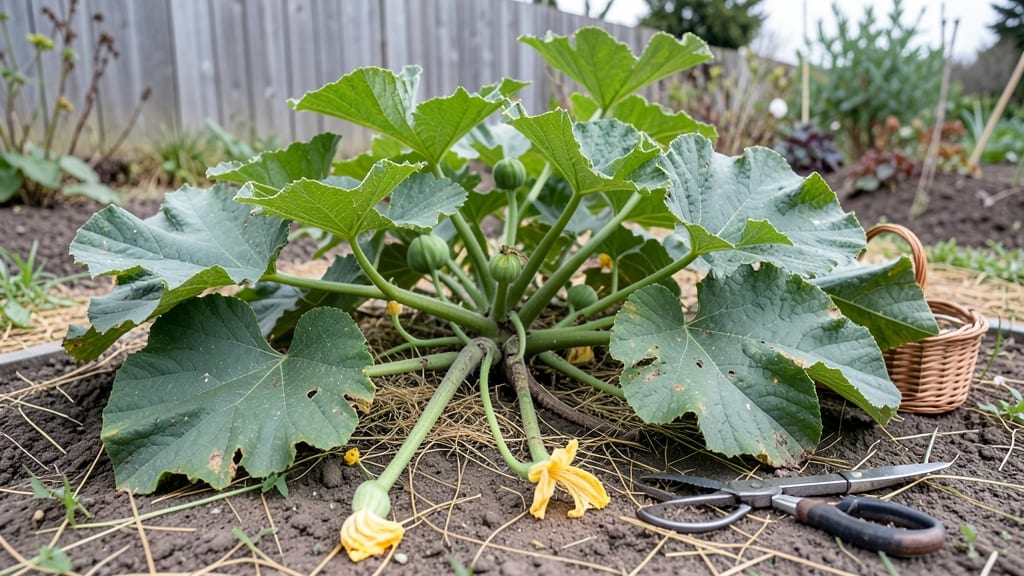
Harvesting squash flowers at their peak means you get the most delicate, flavorful blooms for frying or garnishing—plus you encourage bigger yields from your plants. ✨ I learned the hard way that timing matters: pick too early, and they’re bitter; too late, and the squash starts forming.
The secret lies in watching for fully opened male flowers first—they’re the ones you can safely snip without hurting your harvest.
You only need a sharp pair of scissors or pruners and a sunny morning to work. Focus on male flowers (they have a long stem with no tiny squash at the base) and leave the females alone—they’re the ones growing your zucchini or pumpkins.
A quick twist or clean cut just above a leaf node does the trick, and you’ll have a bowl of fresh, edible blooms ready for your kitchen in no time.
The payoff is worth it: those crisp, golden petals taste like summer in every bite, and your plants reward you with more fruit later. Just don’t overdo it—harvesting too many flowers can stress the vine.
I’ve found that picking every other male flower keeps both the blooms and the squash thriving all season long.
This method works for all squash varieties, from bush types to vining varieties, and even applies to decorative gourds if you want to save seeds later. The key is balance—harvest smart, and your garden will keep producing like a well-oiled machine.
📚 In This Guide
- What you need
- Instructions
- Tips and common mistakes
- Wrapping up and next steps
What you need
- ○ Pruning shears or sharp scissors – Choose clean, sterilized tools (small, sharp blades work best for delicate flowers). Optional: A flower harvesting knife for precision.
- ○ Gloves (optional but recommended) – Lightweight gardening gloves protect your hands from squash vine hairs (which can irritate skin).
- ● Bucket or basket – A shallow, breathable container (like a woven basket or perforated bucket) to hold flowers temporarily. Pro tip: Line it with a damp paper towel to keep blooms fresh!
- ○ Spray bottle with water – Keeps flowers hydrated post-harvest. Optional: A mist system for large-scale harvesting.
- ● Markers or labels (if storing seeds) – Small tags or a permanent marker to label squash varieties if saving seeds.
- ● Mature squash plants – Flowers appear 4-6 weeks after planting (varies by variety). Look for fully open blooms with vibrant colors.
- ● Morning harvest time – Pick flowers early in the day (before 10 AM) for peak freshness and flavor.
- ● Clear weather – Avoid harvesting after rain or when flowers are wet (they bruise easily!).
- ● Honey or sugar water solution – Soak harvested flowers in 1 tsp honey per cup of water to extend shelf life (great for recipes!).
- ● Recipes or cookbook – Have a squash flower recipe ready (think fritters, tempura, or stuffed blooms!).
- ● Freezer bags (for long-term storage) – Blanched flowers freeze well for up to 6 months.
Step-by-Step guide to harvesting squash flowers at peak edibility
Here's how to pick the best blooms for frying or cooking—timing matters more than you think.
🌿 Step 1: Identify the Right Flowers to Harvest
Focus on female squash flowers—they're the edible stars. You'll know them by the tiny squash forming at their base, about the size of a marble. Male flowers (no squash at the base) are still tasty but less prized. Harvest in the early morning when blooms are fully open but still firm.
Gently grasp the flower stem between your thumb and forefinger, about 1 inch below the bloom. Avoid pulling—this can damage the plant. A quick twist should release the flower cleanly. If it resists, you're holding too close to the stem. Here's the thing—don't harvest more than 1/3 of the flowers from any single plant in one day, or you'll stunt fruit production.
⏰ Step 2: Time Your Harvest for Maximum Flavor
Pick flowers when they're fully open but still tight—this ensures tender petals. If you wait until they're wilted or drooping, the texture becomes rubbery. I always check for dew on the petals as my signal that morning harvest time has arrived. For zucchini and summer squash, aim for blooms that measure about 3-4 inches across when fully open.
Harvesting at the right stage guarantees delicate, crisp petals that fry up perfectly. If you're unsure, cut open a bloom—look for bright yellow stamens that haven't darkened or curled. Darkening stamens mean the flower is past its prime. Real talk: I've learned the hard way that overripe flowers make even the best recipes taste bland.
💧 Step 3: Handle Flowers Immediately After Picking
Place harvested flowers in a paper bag (not plastic) to keep them slightly humid. This prevents wilting before you use them. I like to store them in the fridge for up to 2 days if I can't cook them immediately. For best results, use them the same day you harvest—freshness makes all the difference in texture.
Before cooking, give flowers a quick rinse under cool water to remove any dirt or insects. Pat them very gently with a paper towel—don't press too hard, or you'll crush the delicate petals. This step ensures your final dish looks as good as it tastes. Don't skip it—even small bits of grit can ruin the eating experience.
✂️ Step 4: Preserve the Plant's Productivity
After harvesting, always leave at least 3-4 female flowers per plant to ensure fruit production continues. I make it a habit to walk through my garden after picking, counting remaining blooms. If you're harvesting from multiple plants, space out your picking sessions—don't take everything from one plant at once.
Pay attention to the plant's response after harvesting. Healthy plants will quickly produce new flowers within 3-5 days. If you notice leaves yellowing or flowers dropping soon after picking, you're likely harvesting too aggressively. This is the moment that matters: balance between harvest and plant health keeps your garden productive all season.
Tips & tricks for perfect squash flower harvesting
Here's what nobody tells you about getting the absolute best edible blooms from your garden.
Timing is Everything: The early morning dew check is your secret weapon—harvest when petals are still glistening but fully open. I've found that flowers picked before 9 AM have the crispiest texture for frying. If you miss morning harvest, wait until late afternoon when temperatures drop slightly, but never harvest after flowers start to wilt. The difference in texture is night and day.
The Stem Twist Technique: That 1-inch rule below the bloom in Step 1 is critical. I learned this the hard way by snapping stems and damaging plants. Hold the stem firmly between your thumb and forefinger, then twist gently—you should feel a slight resistance before it releases cleanly. If it feels too tight, you're holding too close to the bloom. This method protects the plant while giving you perfect blooms every time.
Plant Health Monitoring: After harvesting, keep a close eye on your plants. Healthy plants will produce new flowers within 3-5 days, but if you notice yellowing leaves or flowers dropping, you're harvesting too aggressively. I've found that maintaining at least 3-4 female flowers per plant ensures continuous production. This balance is what keeps your garden thriving all season long.
Storage Wisdom: That paper bag trick in Step 3 isn't just about humidity—it's about creating a mini greenhouse effect. The slight moisture helps maintain freshness, but don't overpack the bag or you'll risk condensation that can promote mold. For fridge storage, place flowers in the crisper drawer where it's coolest, and use them within 2 days for the best texture. Freshness truly makes all the difference in flavor and crispness.
Pro Tips for Harvesting Squash Flowers
- Here's what nobody tells you about getting the absolute best edible blooms from your garden.
- Timing is Everything: The early morning dew check is your secret weapon—harvest when petals are still glistening but fully open.
- The Stem Twist Technique: That 1-inch rule below the bloom in Step 1 is critical.
Frequently asked questions
Got questions about harvesting those gorgeous squash flowers? You’re not alone! Here are some common queries—and answers—to help you make the most of your edible blooms.
When’s the best time to pick squash flowers?
Pick flowers early in the morning when they’re fully open but still crisp. Look for blooms that are brightly colored and free of blemishes. Avoid picking flowers that have started to wilt or develop spots—these won’t taste as good!
Can I harvest squash flowers if they’re not fully open yet?
It’s best to wait until they’re fully bloomed, but if you’re in a hurry, you can harvest buds (unopened flowers). They’ll need a little extra time to soften, but they’re still edible! Just avoid picking flowers that are yellowing or drooping—those are past their prime.
What should I do if my squash flowers aren’t producing?
If your vines aren’t flowering, check for these common issues:
- Insufficient sunlight—squash needs 6–8 hours of sun daily.
- Poor pollination—hand-pollinate with a soft brush if bees are scarce.
- Over/underwatering—keep soil consistently moist but not soggy.
Are there alternatives if squash flowers aren’t available?
Try these tasty substitutes:
- Zucchini blossoms (same family, similar flavor).
- Calabaza or pumpkin flowers—great for frying or stuffing.
- Edible garden flowers like nasturtiums or borage (milder taste).
How do I store harvested squash flowers?
For best freshness:
- Store in a breathable container (like a paper bag) in the fridge for 1–2 days.
- For longer storage, blanch and freeze—blossoms keep well for up to 3 months.
- Avoid washing until ready to use to prevent moisture buildup.
Wrapping up and next steps
Harvesting squash flowers is a rewarding way to elevate your cooking with delicate, flavorful blooms—just remember to pick early in the morning, use clean tools, and handle them gently to preserve their beauty and taste.
Whether you’re adding them to salads, fritters, or garnishes, these edible flowers bring a touch of elegance and nutrition to your dishes. Now that you’re ready to harvest, why not experiment with a few recipes or share your blooms with fellow gardeners?
- 🌱 Next step: Try making squash blossom fritters or infusing them into oils for a gourmet twist!