
Pests
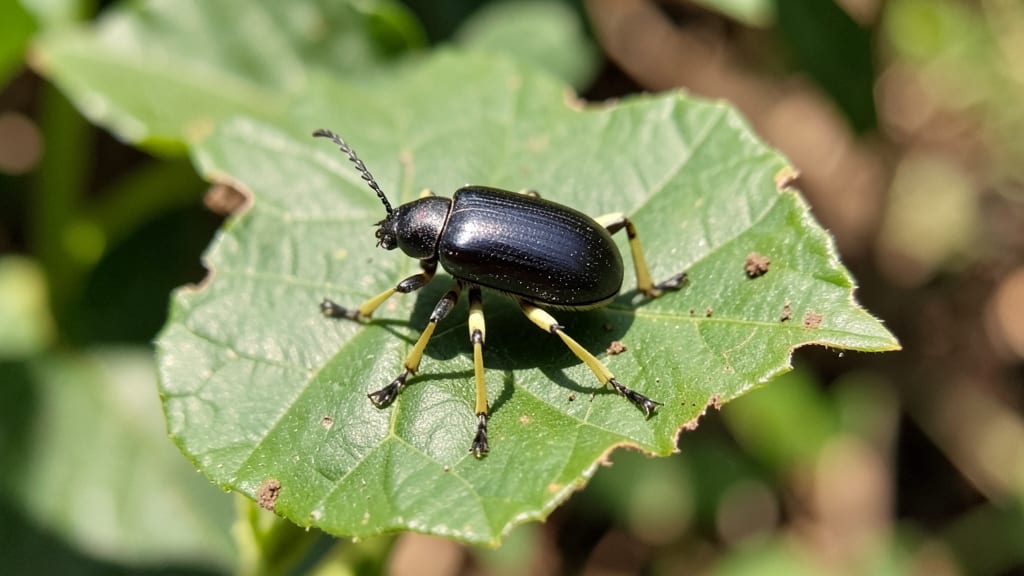
The hibiscus flower beetle turns your prized plants into a skeletonized mess faster than you can say "summer heat." 🌿 I've battled these shiny, orange invaders on my hibiscus bushes—and learned the exact natural spray that stops them dead in their tracks (literally).
These beetles don’t just chew leaves—they leave behind a sticky honeydew that attracts ants and sooty mold. The damage starts small: tiny notches along leaf edges, then spreads until only veins remain.
My first year fighting them, I tried neem oil alone, but the beetles just came back hungrier. The real solution? A two-pronged spray that disrupts their lifecycle while repelling new arrivals.
By mid-morning after treatment, you’ll see fewer beetles crawling on leaves, and within a week, new growth emerges unscathed. The spray works on roses, citrus, and even your vegetable garden—no harsh chemicals, just plant-powered defense. Here’s exactly how to mix it and when to apply for maximum impact.
Works best in late spring through summer, when beetles are most active. Early morning applications prevent them from returning to their favorite feeding spots. The key? Reapply every 5-7 days during outbreaks, and your plants will bounce back faster than you’d expect.
Root Causes of Beetle Infestations
The presence of brightly colored beetles feasting on your hibiscus leaves isn’t just a random act of nature—it’s a response to specific conditions that make your plants irresistible (or vulnerable).
Understanding these triggers helps you take preventative action before the damage escalates. Here’s why these pests show up when they do:
🌿 1. Weakened Plant Defense Systems
Hibiscus plants with compromised health are prime targets for beetles. When plants are stressed, their natural defenses—like tougher leaves or bitter-tasting compounds—diminish, making them easier prey. Here’s how it happens:
- Nutrient Deficiencies:
Lack of nitrogen, phosphorus, or potassium weakens plant cell walls, making leaves softer and more palatable. Beetles detect these deficiencies through volatile organic compounds (VOCs) released by struggling plants.
- Overwatering or Drought Stress:
Both extremes disrupt root function. Overwatering leads to root rot, while drought causes wilting—both signals to beetles that the plant is easily digestible. Wilting leaves also reduce the plant’s ability to produce protective resins.
- Disease or Fungal Infections:
Fungal spores (like powdery mildew) create entry points for beetles. Infected leaves often yellow or develop lesions, which beetles mistake for rotting fruit—a high-protein snack.
Actionable Fix: Conduct a soil test and adjust fertilizer ratios. Water only when the top 1–2 inches of soil are dry, and prune infected leaves immediately.
🌍 2. Ideal Environmental Conditions
Beetles are opportunistic and thrive when the environment aligns with their life cycle. Warmth, humidity, and shelter create the perfect storm for infestations:
| Factor | Why It Attracts Beetles | Optimal Range for Beetles |
|---|---|---|
| Temperature | Higher temps (75–95°F) speed up beetle metabolism and reproduction. They also bask in sunlight to regulate body heat. | 60–100°F (they become dormant below 50°F) |
| Humidity | Moisture softens leaves, making them easier to chew. High humidity also preserves their eggs and larval stages. | 50–80% (drought deters them, but extreme dryness stresses plants) |
| Shelter | Beetles hide under dense foliage, mulch, or leaf litter to avoid predators and retain moisture. Hibiscus’ broad leaves provide perfect cover. | Shady spots or thick canopies |
Actionable Fix:
- Install row covers or fine mesh netting to block beetles without altering humidity.
- Prune overgrown branches to reduce hiding spots while maintaining airflow.
- Use mulch sparingly—opt for gravel or straw instead of thick organic layers.
🐛 3. Natural Attractants in Hibiscus Plants
Hibiscus flowers and leaves aren’t just food—they’re beacon signals for beetles. Certain compounds in the plant actively invite them:
- Nectar and Pollen:
Adult beetles feed on hibiscus nectar, which contains sugars and amino acids—a quick energy boost. The more flowers you have, the more beetles you’ll attract.
- Leaf Volatiles:
Healthy hibiscus leaves produce terpenes and aldehydes, which some beetles use to identify host plants from a distance. Damaged leaves release even more of these signals.
- Larval Food Source:
Female beetles lay eggs in soil near the base of plants. When larvae hatch, they burrow into roots or chew leaves—hibiscus roots are particularly tender and nutritious.
Actionable Fix:
- Remove spent flowers regularly to reduce nectar availability (but leave a few for pollinators).
- Apply kaolin clay to leaves—it creates a physical barrier that disrupts beetle feeding cues.
- Use copper tape around pot rims to deter egg-laying females (larvae can’t cross the barrier).
💡 Pro Tip: Beetles are less likely to target hibiscus if nearby plants (like marigolds or basil) are thriving—these act as trap crops or natural repellents. Rotate companion plants seasonally to confuse their foraging patterns.
Quick Fixes for Garden Pests
Discovering bright red beetles munching on your prized hibiscus leaves can be frustrating, but don’t worry—there are effective, natural ways to reclaim your garden. Below, we’ve mapped out targeted solutions based on the root causes of these pesky visitors, from overcrowded plants to lack of predator balance.
Each fix is designed to be simple, eco-friendly, and practical for busy gardeners.
🌿 Overcrowded or Stressed Plants? Boost Their Resilience
When hibiscus plants are packed too closely or struggling from drought, they become easy targets. Beetles thrive in weakened foliage, so strengthening your plants is the first line of defense.
-
💧 Hydrate Deeply
Water hibiscus plants at the base (not the leaves) in the early morning to encourage strong root growth. Aim for 1-2 inches of water per week, adjusting for your climate. Mulch around the base with organic matter (like straw or wood chips) to retain moisture and deter beetles.
-
✂️ Prune for Airflow
Thin out overgrown branches to improve airflow. Beetles hide in dense foliage, so open spaces make it easier to spot—and remove—them. Prune in the late morning when plants are dry to avoid fungal issues.
-
🌱 Fertilize Smartly
Use a balanced, organic fertilizer (like compost tea or fish emulsion) to boost plant health. Avoid over-fertilizing with nitrogen, which can attract more pests. Feed every 4-6 weeks during the growing season.
💡 Pro Tip: Yellowing leaves or wilting? It’s a sign your plant is stressed—address the issue immediately to make your garden less appealing to beetles.
🐞 Lack of Natural Predators? Invite Helpful Insects
Beetles often invade when their natural enemies (like ladybugs, lacewings, or parasitic wasps) are missing. Encourage these allies to restore balance.
-
🌼 Plant Companion Flowers
Add marigolds, dill, or cosmos nearby—they attract predatory insects. These flowers also repel beetles with their strong scents. Place them within 3 feet of your hibiscus for maximum effect.
-
🐝 Create a Mini Ecosystem
Install a small water source (like a shallow dish with pebbles) or a bee hotel to attract beneficial insects. Avoid pesticides—even natural ones—that can harm these helpers.
-
🛒 Buy Beneficial Insects
Purchase ladybugs or lacewing larvae from garden centers and release them in the evening (they’re nocturnal). Repeat every 2-3 weeks for ongoing protection.
✨ Bonus: Avoid broad-spectrum insecticides—they kill both pests and your garden’s allies. Opt for targeted sprays instead.
🔥 Beetles Already Feeding? Act Fast with Natural Sprays
If you’ve spotted beetles chewing leaves, act quickly with these non-toxic, DIY solutions that disrupt their life cycle.
-
🍋 Citrus Spray (Knocks Them Off)
Mix 1 quart of water + 2 tbsp citrus oil (or lemon juice) + 1 tsp dish soap. Spray directly on beetles (they’ll drop off). Reapply every 3-4 days or after rain.
-
🌶️ Chili Pepper Spray (Deters Egg Laying)
Blend 1 cup cayenne pepper + 1 quart water + 1 tsp soap. Strain and spray on leaves. The capsaicin confuses beetles’ scent trails. Store in a glass bottle (plastic degrades).
-
🍃 Neem Oil (Breaks Their Life Cycle)
Combine 1 tbsp neem oil + 1 tsp soap + 1 quart water. Spray undersides of leaves (where eggs hide) and repeat weekly. Neem is safe for plants but must be reapplied after rain.
🚨 Emergency Move: For severe infestations, handpick beetles into soapy water daily for 3–5 days. Check leaf undersides and buds—these are their favorite hiding spots.
🛡️ Long-Term Prevention: Keep Beetles Away for Good
Stop future invasions with these low-maintenance habits that make your garden less inviting.
-
🕒 Time Your Planting
Beetles are most active in late spring to early summer. Delay planting hibiscus until after Memorial Day or choose disease-resistant varieties like ‘Lady Baltimore’ or ‘Dwarf Red.’
-
🌑 Use Row Covers Early
Cover young hibiscus plants with fine mesh netting until they’re established (4–6 weeks). Secure edges with soil or bricks to prevent beetles from crawling under.
-
🌱 Rotate Plant Locations
Move hibiscus pots or beds every 2–3 years to disrupt beetle scent trails. They rely on chemical cues to find hosts—moving plants confuses them.
🎯 Final Tip: Keep your garden diverse. Monocultures (like rows of hibiscus) attract pests. Mix in herbs, vegetables, and native flowers to create a resilient ecosystem.
With these targeted fixes, your hibiscus will bounce back stronger—and beetles will think twice about crashing your garden party. Start with one or two solutions this week, and watch your plants thrive!
Frequently asked questions
How do I identify hibiscus flower beetles?
Look for small, shiny beetles with bright orange or red shells, often clustered on hibiscus leaves. They leave behind skeletonized leaf patterns and sticky honeydew residue. Adults are about ¼ inch long, while larvae appear as tiny, soft-bodied grubs. Check leaf undersides and buds where they hide.
Why do hibiscus flower beetles prefer my plants?
Beetles target hibiscus because healthy plants release attractive scent compounds that guide them. Weakened plants with nutrient deficiencies or disease are even more appealing. Warm, humid conditions also accelerate their reproduction—ideal for late spring/summer outbreaks.
How often should I apply the natural spray?
For best results, apply the spray every 5-7 days during active beetle seasons. After heavy rain, reapply immediately as the solution washes off. Focus on undersides of leaves where eggs and larvae hide. Consistency is key—beetles return within 24 hours if not disrupted.
Are there plants that naturally repel hibiscus flower beetles?
Yes! Planting marigolds, basil, or dill nearby creates a natural barrier. These companion plants confuse beetles' scent trails and attract their predators like ladybugs. Rotate these plants seasonally to maintain effectiveness.
What should I do if I see beetles on my plants now?
Immediately handpick beetles into soapy water, then apply your natural spray. Focus on leaf undersides and buds where eggs hide. For severe infestations, combine this with neem oil applications weekly until beetles disappear. Monitor for 2 weeks after treatment.