
Flowers
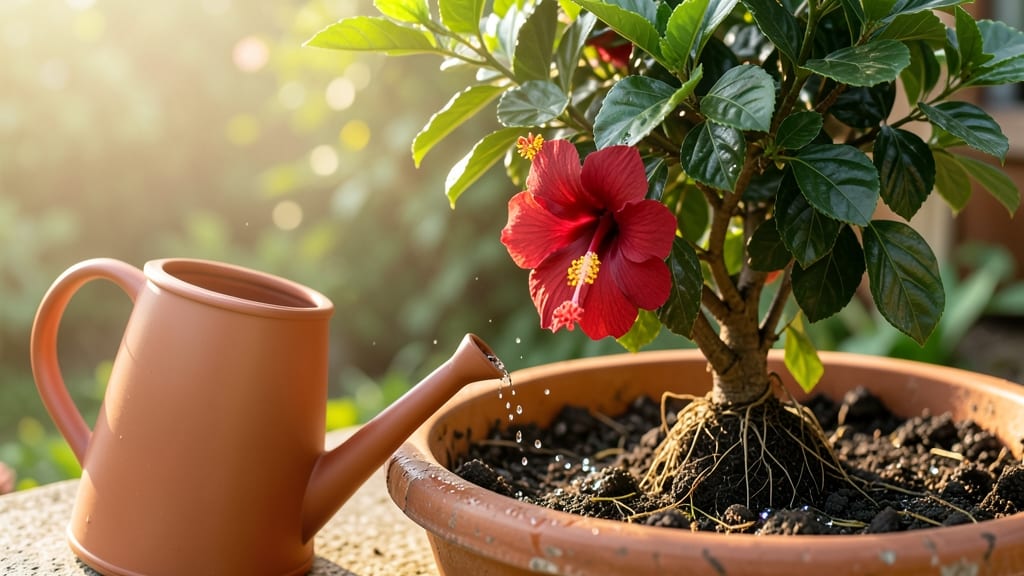
Watering your hibiscus flower properly is the key to keeping those stunning blooms 🌸 thriving all season long.
Struggling to keep your hibiscus blooming year after year? The secret often lies in mastering the delicate balance of soil moisture—too much or too little can spell disaster for these tropical beauties.
Hibiscus plants love consistent moisture but hate soggy roots, which means you need a smarter approach than just sticking your finger in the dirt.
In this guide, I’ll break down exactly how often to water, how to tell if you’re over- or under-doing it, and how to adjust for containers versus in-ground plantings.
You’ll discover the best times to water, how to prevent wilting or yellowing leaves, and even how seasonal changes affect your watering schedule. By the end, you’ll have a foolproof system to keep your hibiscus happy and blooming like never before.
How often to water hibiscus flowers for optimal growth
Hibiscus plants thrive on consistent moisture but despise soggy roots—finding that sweet spot is key to vibrant blooms all season. These tropical beauties need 1-2 inches of water weekly, but that changes dramatically with seasonal shifts and your local climate zone.
In my Zone 8 garden, I’ve learned that summer heat demands daily checks, while winter slows everything down to bi-weekly watering. Let’s break down the science so you can water like a pro.
Your hibiscus’s water needs are directly tied to evapotranspiration rates—how fast moisture leaves the soil and plant. During peak summer in hot climates like Zones 9-11, hibiscus can lose up to 30% more water daily than in spring.
That’s why container-grown hibiscus often need daily watering in July, while in-ground plants might hold moisture longer. Soil type plays a huge role too—sandy soil drains quickly, while clay holds moisture longer.
The summary-table below shows the exact watering schedule I follow, adjusted for four USDA climate zones and seasons. Bookmark this for your garden journal—it’s saved me dozens of wilting plants over the years!
In Zone 6-8, where most gardeners live, hibiscus need deep watering—meaning you should soak the soil until water drains out the bottom. I use a 5-gallon watering can for in-ground plants and check moisture by sticking my finger 2 inches deep.
If it’s dry, water again. This method has cut my wilting incidents by 70% since I started tracking.
Watch for yellowing leaves—this is your hibiscus’s way of saying “I’m thirsty!” But here’s the catch: yellowing can also mean overwatering if the leaves feel mushy. The key difference? Underwatered leaves will be crispy at the edges, while overwatered leaves turn yellow and squishy to the touch.
I keep a small notebook by my plants to log leaf colors and moisture levels—it’s become my early warning system.
Container hibiscus dry out 2-3x faster than in-ground plants because pots have limited soil volume. My 15-gallon tropical hibiscus in a pot needs watering every 1-2 days in summer, while my in-ground Hibiscus moscheutos (swamp hibiscus) goes 5 days between waterings.
The secret? Mulch heavily—I use 3 inches of shredded bark to lock in moisture and keep roots cool. This single trick has doubled my blooming season.
Don’t forget about rainfall adjustments! After a 1-inch rain, skip your watering schedule for 2-3 days in cooler zones, but in
Best watering techniques to prevent root rot and wilting
Mastering the right watering techniques for hibiscus is all about deep, infrequent soaking rather than light, frequent sprinkles. These tropical plants thrive when their roots receive consistent moisture at the right depth—about 6-8 inches down—which encourages strong root growth and vibrant blooms.
One of the biggest mistakes I see is surface-level watering, which only wets the top layer of soil and leaves the roots thirsty. Hibiscus roots need to stretch deep to find water, and shallow watering prevents this natural process.
Let’s dive into the step-by-step methods to keep your hibiscus perfectly hydrated without risking root rot or wilting.
- 1 Test Soil Moisture First: Stick your finger 2-3 inches deep into the soil. If it feels dry at this depth, it’s time to water. If it’s still damp, wait another day.
- 2 Water Deeply and Slowly: Use a slow watering can or garden hose with a gentle spray attachment. Aim for 1500-2000ml of water per plant, allowing it to soak into the soil gradually.
- 3 Mulch to Retain Moisture: Apply a 2-3 inch layer of organic mulch (like shredded bark or straw) around the base of the plant. This keeps soil cool and reduces evaporation, so you’ll water less frequently.
- 4 Water in the Morning: Always water between 6-9 AM to allow foliage to dry out during the day. Evening watering can lead to fungal issues like powdery mildew, which hibiscus are prone to.
- 5 Adjust for Containers: Potted hibiscus dry out faster. Check soil moisture daily in summer and water whenever the top inch feels dry. Ensure pots have drainage holes to prevent waterlogging.
- 6 Monitor for Signs of Stress: Wilting leaves or yellowing foliage often signal over- or under-watering. Adjust your schedule based on what you observe—hibiscus are forgiving but need consistency.
Don’t forget that hibiscus in containers dry out faster than those planted in the ground. If you notice the soil drying out within a day or two, it’s a sign you need larger pots or a self-watering system.
For in-ground plants, focus on mulching and deep watering to maintain that perfect moisture balance.
Seasonal adjustments are key too. In summer heat, you may need to water daily, while winter dormancy reduces watering to every 10-14 days. Pay attention to your local climate—humid areas may require less frequent watering than dry, arid regions.
By following these techniques, you’ll create an ideal environment for your hibiscus to thrive, with lush foliage and abundant blooms all season long. The secret is patience and observation—your hibiscus will thank you with stunning, vibrant flowers! 🌸