
Shrubs
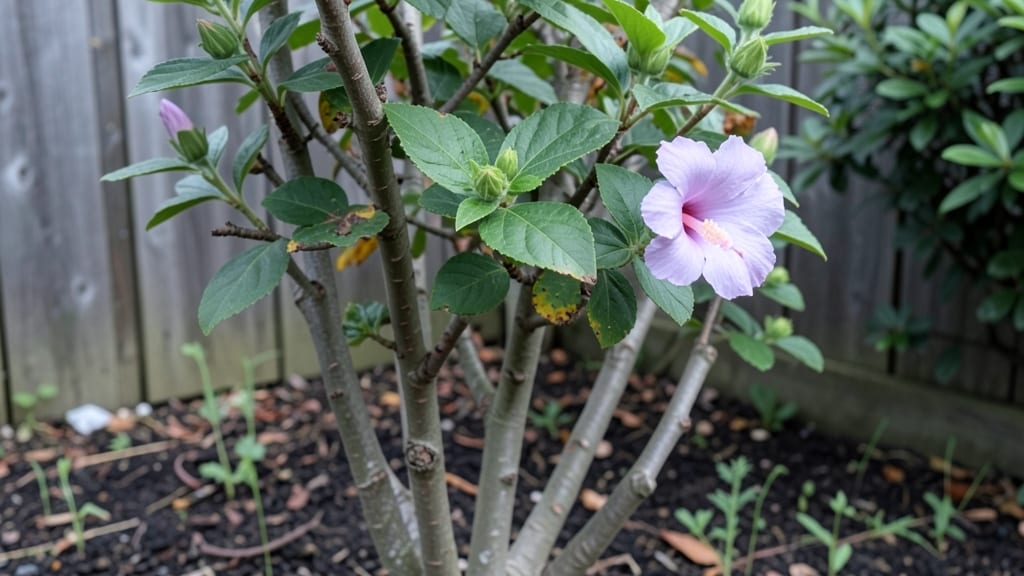
Growing a thriving hibiscus flowering tree 🌺 means unlocking a backyard full of bold, tropical blooms that turn heads year-round.
Imagine a backyard bursting with vibrant, tropical blooms that last all year—no matter the season. The hibiscus flowering tree delivers exactly that, but only with the right care. Discover how to nurture this stunning plant for continuous, show-stopping flowers.
If you're in USDA Zone 6a or warmer, spring is the perfect time to plant yours—between April and May—where full sun and well-draining soil set the stage for abundant blooms from summer through fall.
From watering schedules that prevent root rot to pruning tricks that boost flowering, this guide covers everything you need to keep your hibiscus looking its best—and blooming like crazy.
How to choose and plant a hibiscus flowering tree for maximum blooms
Transforming your garden into a vibrant paradise starts with selecting the perfect hibiscus flowering tree. These tropical beauties thrive with the right conditions, producing bold, colorful blooms year-round when planted correctly. The key lies in choosing the right variety, preparing the ideal environment, and mastering proper planting techniques.
Not all hibiscus trees are created equal—some varieties bloom continuously, while others need specific climates. For maximum blooms, focus on sunlight exposure, well-draining soil, and proper spacing. Whether you're a beginner or seasoned gardener, these steps will ensure your hibiscus thrives from day one.
Step-by-Step Guide to Planting Your Hibiscus Tree
-
Step 1: Choose the Right Variety
Pick a hardy hibiscus like Tropical Red or Hawaiian Sunset. For colder climates, opt for Hibiscus syriacus (Rose of Sharon). Check your USDA zone—most hibiscus thrive in zones 6-11.
-
Step 2: Select the Perfect Location
Plant in a spot with full sun exposure (6+ hours daily). Avoid shady areas or windy spots, which stress the plant. South-facing gardens are ideal for maximum sunlight.
-
Step 3: Prepare the Soil
Test soil pH—hibiscus prefers slightly acidic to neutral (6.1-7.0). Amend with compost or peat moss for better drainage. Avoid clay-heavy soil, which causes root rot.
-
Step 4: Dig the Hole
Dig a hole twice as wide as the root ball but no deeper. Loosen roots gently if pot-bound. Place a layer of gravel at the bottom for drainage.
-
Step 5: Plant with Care
Position the tree so the root flare is level with the soil. Backfill with native soil mixed with compost. Water deeply to settle the soil and remove air pockets.
-
Step 6: Mulch and Water
Apply 2-3 inches of mulch around the base (keep it 6 inches from the trunk). Water deeply 2-3 times per week for the first month to establish roots.
-
Step 7: Support New Growth
Fertilize with a balanced 10-10-10 NPK mix 4-6 weeks after planting. Prune dead or weak branches to encourage new blooms and a fuller shape.
After planting, monitor your hibiscus for signs of stress, like yellowing leaves or dropping buds. These often indicate overwatering or nutrient deficiencies. Adjust care as needed—hibiscus are resilient but reward attentive gardeners with stunning, long-lasting flowers.
For year-round blooms, deadhead spent flowers regularly. This simple step redirects the plant’s energy into producing new buds instead of seeds. Pair this with seasonal pruning to maintain shape and encourage dense foliage.
Pro tip: Use a slow-release fertilizer in early spring to kickstart growth. Hibiscus respond beautifully to organic matter, so top-dress with compost annually. With these steps, your hibiscus will flourish and dazzle your garden for years to come.
Remember, hibiscus trees are low-maintenance once established. Focus on sunlight, water consistency, and occasional pruning, and you’ll enjoy a tropical oasis in your backyard. Happy planting!
Year-round care tips for non-stop hibiscus blooms
Your hibiscus flowering tree can burst into color year-round with the right seasonal care. Unlike many plants that take a break in winter, hibiscus thrives with consistent attention to watering, pruning, and fertilizing.
The key is adapting your routine to match each season's demands while keeping pests at bay. Let’s break down my proven strategies to keep your hibiscus blooming non-stop, even when temperatures drop.
Hibiscus trees are tropical at heart, but they can adapt to cooler climates with proper care. The biggest mistake I see is treating them like annuals—stopping maintenance when blooms slow in winter. Instead, think of hibiscus as a perennial powerhouse that needs winter prep just like spring and summer.
With a few adjustments, you’ll enjoy those show-stopping blooms in every season, from rosy pinks to deep crimson reds.
Let’s start with watering, the foundation of hibiscus care. In spring and summer, your tree needs deep watering every 2-3 days—think of soaking the roots 6-8 inches down. I use a soaker hose to deliver water slowly at the base, which prevents fungal issues.
In winter, reduce this to bi-weekly watering unless you’re in a frost-free zone, where you can maintain summer schedules. Always water in the morning to let foliage dry before nightfall.
Pruning is where many gardeners go wrong. Hibiscus trees bloom on new wood, so avoid heavy pruning in winter. Instead, prune lightly in late winter to remove dead or crossing branches. In spring, shape the tree to improve air circulation and encourage bushier growth.
I prune just above a leaf node to promote new shoots. For continuous blooms, deadhead spent flowers regularly—this redirects energy to producing more blooms.
Fertilizing is another critical step I can’t emphasize enough. Use a balanced 10-10-10 fertilizer every 4-6 weeks during the growing season (spring through early fall). In late summer, switch to a low-nitrogen, high-phosphorus formula to boost flower production.
Avoid fertilizing in winter, as hibiscus enters a dormant phase. I always fertilize in the early morning after watering to prevent root burn.
Pests and diseases can derail your hibiscus’s blooming potential. Keep an eye out for aphids, whiteflies, and spider mites, which thrive in dry conditions. I spray neem oil weekly during summer to prevent infestations.
For fungal issues like powdery mildew, ensure your tree has good airflow and avoid overhead watering. If you notice yellowing leaves, it could signal overwatering or nutrient deficiency—adjust your care routine accordingly.
With these seasonal adjustments, your hibiscus flowering tree will reward you with bold, non-stop blooms year-round. The secret is consistency—adapting your care to the season while keeping a watchful eye on your tree’s needs.
Soon, your backyard will be the talk of the neighborhood with its tropical beauty in every season! 🌺