
Size
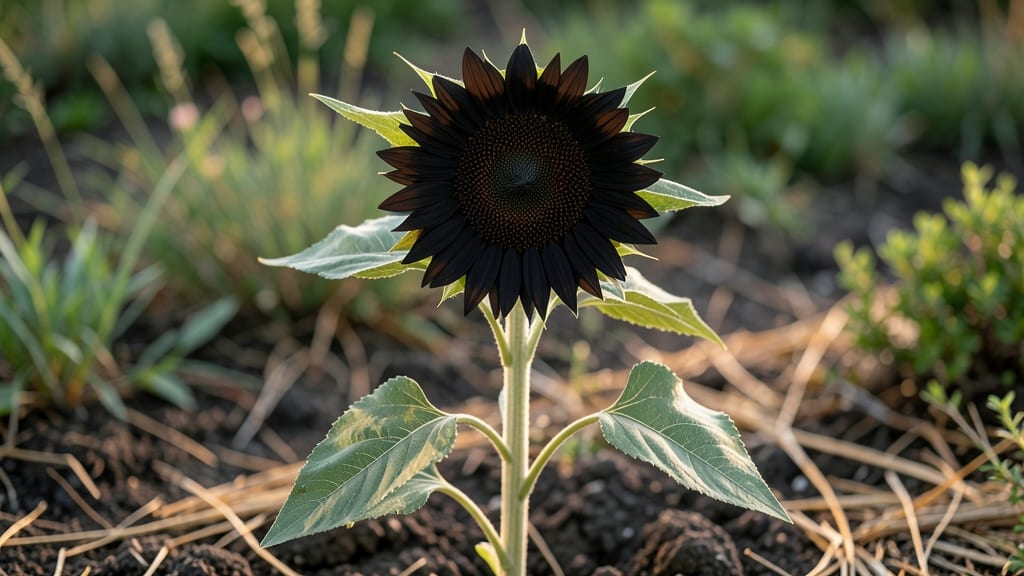
Black Oil Sunflowers grow to a massive 6 to 12 feet tall with sturdy stems that can handle their own weight—though they’ll spread just 1 to 2 feet wide, so don’t let their height fool you into thinking they’ll sprawl.
If you’re planning to grow Black Oil Sunflowers for their striking dark foliage or as a wildlife magnet, knowing their mature size is key to maximizing your garden space—and avoiding overcrowded, struggling plants.
These towering beauties can easily outgrow a backyard if not given enough room, which is why spacing them 18 inches apart is a game-changer for their health and your harvest.
Below, I’ll break down exactly how their size affects where you plant them—whether you’re working with a raised bed, containers, or a wide-open field.
Black Oil Sunflower height and growth stages: what to expect at each phase
Black Oil Sunflowers (Helianthus annuus) are one of the fastest-growing plants in any garden, shooting up from tiny seedlings to towering giants in just 8-10 weeks. Understanding their height progression helps you plan spacing, support structures, and even harvest timing.
These sunflowers typically reach 6-12 feet tall, but their growth isn't linear—expect dramatic spurts during specific stages.
When you first plant Black Oil Sunflower seeds, they'll emerge as 1-inch seedlings within 7-14 days. These early sprouts grow slowly at first, focusing energy on developing a strong root system.
By week 3, you'll notice the first true leaves unfurl, signaling the start of rapid vertical growth. This is when height measurements become more exciting!
The summary table below breaks down the growth stages and height milestones you can expect, helping you track progress and prepare for each phase.
The most dramatic growth occurs between weeks 4 and 6, when your sunflowers can add 2-3 feet in height per week under ideal conditions. This rapid ascent is why Black Oil Sunflowers make such a striking visual impact in gardens.
If you're growing them for seed production, the final height is crucial—taller stems often yield more seeds per head.
For gardeners in USDA zones 3-9, these sunflowers thrive with full sun exposure (6+ hours daily) and well-draining soil. In cooler climates, growth may slow slightly, while warmer regions can see even taller specimens reaching 10-12 feet.
The key to maximizing height is consistent moisture during the vegetative stage—deep watering every 3-5 days encourages strong stem development.
One common misconception is that all sunflowers grow equally tall. While Black Oil varieties typically reach 6-12 feet, some dwarf varieties stay under 3 feet. This height variation makes them versatile for backyard gardens, container growing, or even cut flower arrangements.
If you're limited on space, consider planting them in large containers (18+ inches deep) with proper support.
As your sunflowers approach maturity, you'll notice their stems thicken significantly to support their own weight. This is when staking or trellising becomes important, especially in windy areas.
Without support, stems can bend or break under the weight of heavy seed heads, which can weigh up to 1 pound each. A simple bamboo stake or cage can make all the difference in maintaining their impressive height.
The final height of your Black Oil Sunflowers depends on several factors, including genetics, soil fertility, and water availability. Well-fed plants with consistent moisture will reach their maximum potential, while those in poor soil or drought conditions may stay shorter.
To encourage optimal growth, amend your soil with compost before planting and use a balanced fertilizer (10-10-10) when buds form.
If you're growing Black Oil Sunflowers for wildlife benefits, their mature height makes them perfect perches for birds and pollinators. The <
Optimal spacing and planting distance for Black Oil sunflowers
When planning your Black Oil Sunflower garden, spacing is everything. These towering beauties can grow 10-12 feet tall with a 1-2 foot spread, making proper spacing critical to prevent nutrient competition and disease spread.
Crowded plants struggle to reach their full potential, leading to weaker stems and lower seed yields.
Research shows that planting Black Oil Sunflowers 12-18 inches apart creates an ideal balance. This spacing allows each plant to access sunlight from all directions while giving roots enough room to establish deep in the soil.
In tight spaces, like raised beds, you can reduce this to 10-12 inches—just be prepared for slightly shorter plants.
- 12-18 inches apart: Ideal for full-size plants with maximum yield and height.
- 10-12 inches apart: Best for raised beds or small gardens where space is limited.
- 24+ inches apart: Recommended for single-species rows to improve airflow and reduce fungal risks.
- 3-4 feet apart: Optimal for companion planting with shallow-rooted crops like beans or lettuce.
- Container spacing: 1 plant per 12-inch pot or cluster 3-4 seeds in a 16-inch container.
Proper spacing also influences final plant height. Studies from the University of Wisconsin found that sunflowers planted 18 inches apart grew 10-12% taller than those crowded at 6 inches apart.
This happens because taller plants compete less for water and nutrients, allowing them to focus energy on stem elongation.
For container gardening, choose large pots with at least 12-inch diameters for single plants. If growing multiple sunflowers in one container, space seeds 6 inches apart and thin to the strongest seedlings. Remember, root-bound plants grow slower and produce fewer seeds, so prioritize space even in containers.
In windy areas, wider spacing (up to 24 inches) helps prevent stem breakage and lodging. Stake taller varieties or use cage supports if planting in tight clusters. This extra care ensures your sunflowers stay upright and maximize their seed production potential.
Finally, consider your garden layout. Plant sunflowers along fences or trellises to save space while providing vertical interest. If using them as living windbreaks, space them 3 feet apart in a single row.
With the right spacing, your Black Oil Sunflowers will thrive—reaching their full height while creating a stunning, productive display. 🌻