
Size
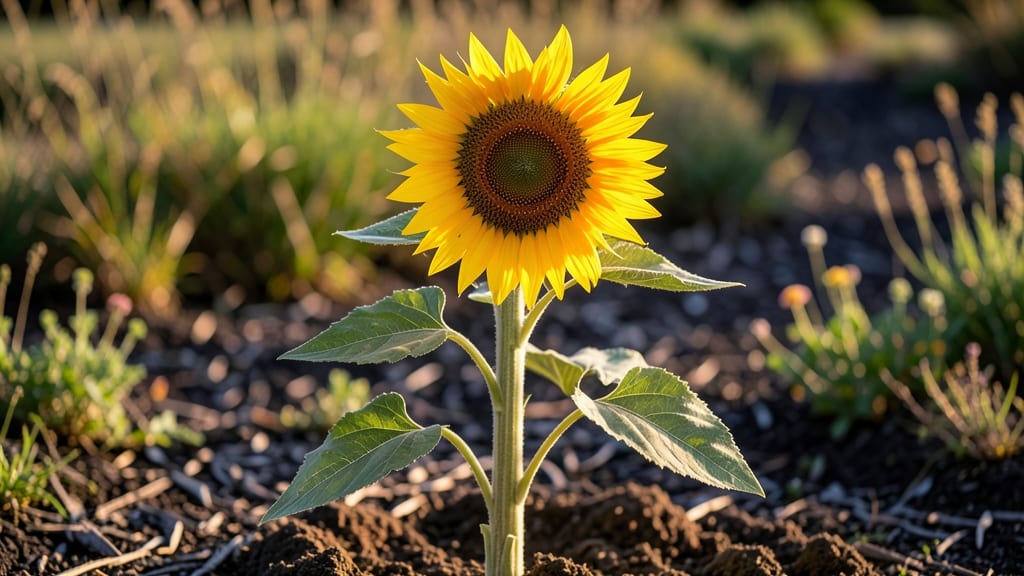
Mammoth sunflowers grow to a towering 10–14 feet tall—often dwarfing your fence or even your house—if given the right conditions 🌻.
If you've ever dreamed of growing sunflowers that tower over your fence or even your house, Mammoth sunflowers might be your perfect match—but knowing their exact growth potential is key to planning your garden like a pro.
These giants need full sun and well-drained soil to reach their full height, and spacing them 18–24 inches apart prevents overcrowding while they stretch toward the sky.
Below, I’ll break down their growth stages, spacing secrets, and how to avoid common mistakes that stunt their impressive height—so you can enjoy sunflowers that truly stand out.
Mammoth sunflower height stages: from seed to sky-skimming giant
Watching a Mammoth sunflower grow from a tiny seed to a 10–14-foot tower is one of gardening’s most rewarding experiences 🌱. Unlike dwarf varieties, these giants don’t just grow—they explode upward, often reaching maturity in just 90–120 days under ideal conditions.
Understanding their growth stages helps you plan for spacing, staking, and even wind protection before they outgrow your expectations. Let’s break down how they transform from seedling to sky-scraper, including seasonal timing that maximizes their height potential.
Key growth phases include:
- Seed to sprout (0–14 days)
- Vegetative growth (14–60 days)
- Rapid elongation (60–90 days)
- Flowering and maturity (90–120 days)
| Growth Stage | Height Range | Time to Reach | Key Characteristics |
|---|---|---|---|
| Seed Germination | 0–2 inches | 7–14 days | First leaves appear; fragile roots |
| Seedling Stage | 2–12 inches | 2–4 weeks | Rapid leaf growth; needs full sun |
| Vegetative Growth | 1–5 feet | 4–8 weeks | Stem thickens; requires staking prep |
| Rapid Elongation | 5–10 feet | 8–12 weeks | Grows 1–2 feet per week; needs deep watering |
| Flowering | 10–14 feet | 10–14 weeks | Blooms 12–20 inch heads; attracts pollinators |
During the vegetative growth phase (weeks 4–8), Mammoth sunflowers develop their signature thick, woody stems that support their eventual height. This is when proper soil nutrients and watering depth become critical—skimp here, and you’ll see stunted growth or weak stems.
I’ve seen firsthand how 6+ hours of sunlight daily accelerates their vertical growth, especially during June and July when days are longest. Without enough light, they’ll grow taller but leggier, increasing the risk of lodging (falling over) as they reach maturity.
The rapid elongation phase (weeks 8–12) is where the magic happens—these sunflowers can add 1–2 feet per week if conditions are perfect. This is also when wind protection becomes essential, especially in exposed garden beds.
A simple 3-foot bamboo stake or trellis support can make the difference between a proud giant and a toppled mess.
By week 12, most Mammoth sunflowers will have reached their mature height of 10–14 feet, with some varieties like 'Russian Giant' or 'Mammoth Russian' even exceeding 16 feet in ideal climates.
Their flower heads will measure 12–20 inches wide, making them a stunning focal point in any garden.
Timing your planting is everything—sow seeds 2–3 weeks after your last frost date (typically mid-April to early May in most U.S. zones) to ensure they have 90–120 frost-free days to mature.
Planting too early risks cold damage, while planting too late may result in shorter stature due to reduced daylight.
Pro tip: If you’re in a shorter growing season (like Zone 5 or cooler), opt for early-maturing varieties or start seeds indoors 4–6 weeks before transplanting. This gives them a head start on the critical 60–90 days of rapid growth needed to reach their full height potential.
One common misconception is that Mammoth sunflowers will automatically reach 14 feet with minimal care. In reality, poor soil drainage, overcrowding, or nutrient deficiencies can slash their height by 30–50%.
That’s why I always recommend amending your soil with compost and using a balanced fertilizer (like 10-10-10) every 4–6 weeks during their growing season.
Space planning tips for Mammoth sunflowers: staking, spacing, and neighbor planting
Mammoth sunflowers need careful planning to reach their full 10–14-foot potential without toppling over or competing for nutrients. Proper spacing, staking, and neighbor planting can mean the difference between a thriving giant and a flopping disappointment.
First, plant your Mammoth sunflowers 18–24 inches apart—this gives their roots room to spread while preventing overcrowding. Too close, and you’ll end up with weak stems struggling to support their own weight.
Here’s how to maximize their growth without sacrificing stability:
- 1 Spacing: Plant seeds 18–24 inches apart in rows spaced 2–3 feet apart to allow airflow and prevent disease. Overcrowding stunts growth and invites pests.
- 2 Staking: Install 6-foot stakes at planting time, tying stems loosely with soft fabric strips (like old T-shirts) every 2–3 feet up. Avoid wire—it can damage stems as they thicken.
- 3 Companion Plants: Pair with bush beans or marigolds to deter pests and improve soil nitrogen. Avoid planting near corn—they compete for the same nutrients.
- 4 Wind Protection: In exposed areas, use a windbreak (like a lattice or trellis) to prevent stem damage. Mammoth sunflowers can lean dangerously in strong winds, risking breakage.
- 5 Soil Prep: Amend soil with compost before planting to ensure deep root penetration. Poor soil = stunted growth, even with perfect spacing.
For extra support, consider a cage system made from PVC pipes or metal hoops—this distributes weight evenly and looks stunning in a cottage garden. Just ensure the structure is buried 6 inches deep for stability.
Finally, avoid planting Mammoth sunflowers near trees or structures that block sunlight. These giants need 6+ hours of direct sun daily to reach their full height, and shade will leave them leggy and weak.
With the right spacing and support, your Mammoth sunflowers will soar—literally—adding drama and height to your garden while becoming a conversation starter. Happy planting! 🌻