
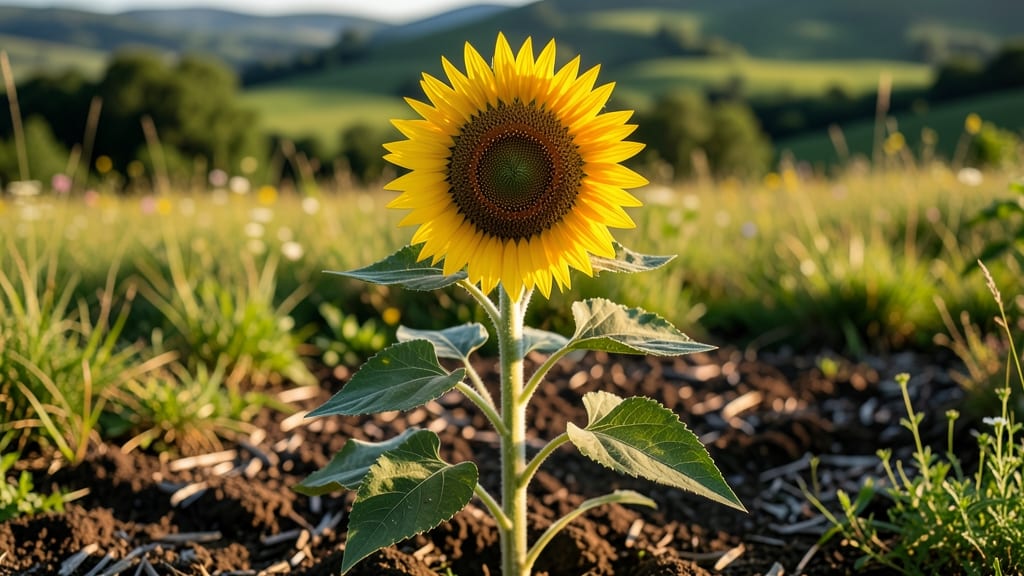
How Big Do Sunflowers Get: Variety-Specific Heights & Growth Stages Explained

Flowers

How Big Do Sunflowers Get: Variety-Specific Heights & Growth Stages Explained

Sunflowers grow to heights that can range from just 2 feet to towering over 14 feet, depending on the variety you choose—so picking the right one for your space is key.

If you’ve ever admired towering sunflowers in a field and wondered whether they’ll fit in your backyard—or if they’ll topple over in a storm—you’re not alone. Sunflower height varies dramatically by variety, and knowing these differences can help you choose the perfect plants for your space and gardening goals.

From dwarf varieties like 'Teddy Bear' that stay under 3 feet to giants like 'Mammoth' that reach 12+ feet, the right sunflower can transform your garden into a sun-soaked haven. But size isn’t just about aesthetics—it also affects how you plant, space, and support them for the best results.

In this guide, I’ll break down the height ranges of popular sunflower varieties, share spacing tips to prevent overcrowding, and explain how sunlight and soil can influence how big your sunflowers grow. Let’s get started!

Sunflower height by variety: from dwarf to giant species explained

Sunflowers are nature’s skyscrapers, with varieties ranging from compact dwarf types perfect for containers to towering giants that reach taller than most people.

Understanding these height differences helps you select the right variety for your garden space, whether you’re growing them for cut flowers, bird feed, or simply as dramatic centerpieces. The key is matching the plant’s mature height to your available space and intended use.

Most sunflower varieties fall into three broad height categories: dwarf (1-3 ft), medium (3-6 ft), and giant (6-14+ ft). Each category offers unique advantages.

For example, dwarf varieties are ideal for small gardens or container growing, while giant sunflowers create stunning focal points but require more space and sturdy support. Let’s explore the most popular types and their ideal growing conditions.

🌻 Visual Comparison: Imagine a Teddy Bear sunflower standing next to a Mammoth Russian—the difference is like comparing a potted plant to a two-story building. This height variation isn’t just about aesthetics; it directly impacts spacing requirements, sunlight exposure, and even pollination success. Below, we’ll break down the specifics so you can plan your sunflower garden like a pro.

Variety Type Mature Height (ft) Spread (ft) Ideal Spacing (inches) Best For
Dwarf Varieties 1-3 ft 1-2 ft 12-18" Containers, small gardens, borders
'Teddy Bear' 2-3 ft 1-1.5 ft 12" Cut flowers, pollinators, children’s gardens
'Moulin Rouge' 2-3 ft 1-2 ft 12-18" Dried flowers, bouquets
Medium Varieties 3-6 ft 1.5-3 ft 18-24" Backyard gardens, cut flowers, pollinator support
'Autumn Beauty' 3-5 ft 2 ft 18" Colorful blooms, long vase life
'ProCut' 4-5 ft 2 ft 24" Commercial cut flower production
Giant Varieties 6-14+ ft 2-4 ft 36-48" Large gardens, focal points, seed production
'Mammoth Russian' 10-14 ft 3-4 ft 48"

How sunflower height affects growth stages and planting tips

Sunflower height dramatically influences every stage of growth, from the moment you plant the seed to when you harvest mature seeds. Taller varieties like 'Mammoth' need deeper roots and stronger stems to support their 12+ foot stature, while dwarf varieties like 'Teddy Bear' mature faster with less structural support.

Understanding these differences helps you adjust planting depth, sunlight exposure, and spacing for optimal results.

Each growth stage—germination, vegetative growth, flowering, and seed development—is directly tied to the sunflower's mature height. For example, giant varieties require 6+ hours of full sun daily to reach their full potential, while shorter varieties can thrive with 4-5 hours of sunlight.

The soil depth and nutrients also play a critical role in supporting the plant's height.

⚠️ WARNING: Overcrowding Tall Varieties Can Stunt Growth ⚠️ Sunflowers over 6 feet tall need at least 18-24 inches of spacing to avoid competition for sunlight and nutrients. Planting them too closely forces them to compete, resulting in shorter stems, fewer flowers, and poor seed development.

In tight spaces, opt for dwarf or semi-dwarf varieties like 'Sunspot' (3-4 ft) or 'Autumn Beauty' (4-5 ft) to maximize your harvest without sacrificing height.

For germination, plant seeds 1 inch deep in well-draining soil. Taller varieties benefit from slightly deeper planting (1.5 inches) to encourage stronger root development. Once sprouted, ensure they receive consistent moisture—especially in dry climates—to support rapid stem elongation during the vegetative stage.

This is when height differences become most noticeable.

During the flowering stage, taller sunflowers may need staking or cages to prevent toppling, especially in windy areas. The seed development phase is when height matters most for yield—giant varieties produce more seeds but require rich, fertile soil to support their weight.

Amend your soil with compost or a balanced 10-10-10 fertilizer before planting to give tall varieties the nutrients they need.

One common mistake is assuming all sunflowers need the same care. Dwarf varieties can thrive in containers or small gardens, while giant varieties need deep, loose soil and ample space.

If you're growing sunflowers in containers, choose dwarf types like 'Pocket Sun' (2-3 ft) and use large pots (at least 12 inches deep) to accommodate root growth without restricting height.

To maximize height potential, start with high-quality seeds and plant in well-draining soil with full sun exposure. Monitor for pests like sunflower moths or aphids, which can stress plants and stunt growth.

Regularly check soil moisture—overwatering can weaken stems, while underwatering slows height development. With the right care, your sunflowers will reach their full height potential, creating a stunning focal point in your garden. 🌻

★★★★★4.9(13 reviews)
Categories Flowers