
How To
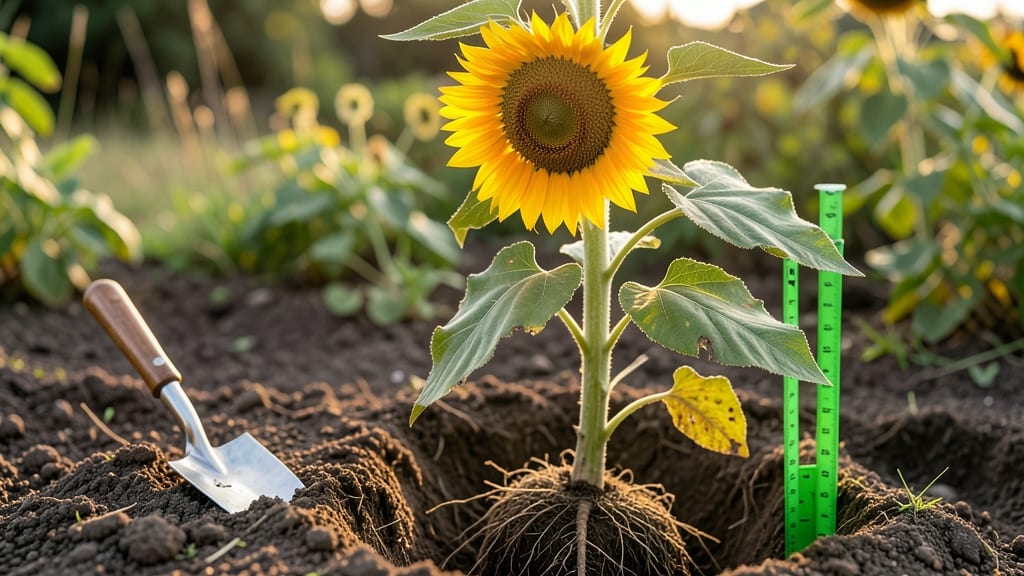
Sunflower roots go deep—often reaching 3 to 5 feet underground 🌻—which makes all the difference in how sturdy and healthy your plants become.
Picture this: a sunflower stalk swaying in a breeze, its roots buried deep enough to anchor it like a skyscraper’s foundation. What you can’t see below the soil is just as critical as the towering bloom above.
Root depth affects everything from water absorption to nutrient access, and getting it right means fewer floppy stalks and more vibrant flowers. The right soil, spacing, and care can help your sunflowers send their roots deeper, stronger, and more resilient.
In this guide, I’ll break down exactly how deep those roots go, what influences their growth, and the simple adjustments you can make to ensure your sunflowers thrive from the ground up.
Sunflower root depth explained: how deep roots grow and why it matters
Sunflowers are famous for their towering bright yellow blooms, but their root systems are just as impressive. While the stalks reach skyward, the roots dive deep—often 3 to 5 feet underground.
This depth isn’t just a curiosity; it’s essential for water absorption, nutrient access, and stalk stability, especially in windy conditions. Understanding how deep sunflower roots grow helps you plant, water, and care for them effectively.
Most sunflower varieties develop a taproot system, meaning one primary root grows straight down while smaller lateral roots branch out. The taproot can extend even deeper than 5 feet in loose, well-drained soil, while lateral roots spread 12 to 18 inches wide.
This structure allows sunflowers to access moisture and nutrients from deep soil layers, making them resilient in drought-prone areas. However, root depth varies by variety, soil type, and growing conditions.
Did you know? Some giant sunflower varieties, like the Russian Mammoth, can develop roots 6 feet deep or more, while dwarf varieties like Teddy Bear may only reach 1 to 2 feet. The deeper the roots, the more stable the stalk—critical for preventing wind damage or toppling in storms. This is why sunflowers thrive in open fields but struggle in crowded gardens.
| Sunflower Variety | Typical Root Depth | Key Growth Notes |
|---|---|---|
| Russian Mammoth | 4–6 feet | Deep taproot; needs loose soil |
| Autumn Beauty | 3–5 feet | Moderate depth; drought-tolerant |
| Teddy Bear (Dwarf) | 1–2 feet | Shallow roots; ideal for containers |
| Moulin Rouge | 3–4 feet | Balanced depth; great for cut flowers |
| ProCut Hybrid | 4–5 feet | Deep roots; high stalk strength |
The depth of sunflower roots isn’t static—it changes as the plant matures. In the first 2 weeks, roots grow rapidly to establish anchorage, reaching 6 to 12 inches deep.
By 4 to 6 weeks, when the stalk begins to shoot upward, the taproot may already be 2 feet deep. During peak flowering (weeks 8–10), roots continue descending to 3 to 5 feet, especially in dry conditions where they seek moisture.
Root depth directly impacts a sunflower’s ability to absorb water and nutrients. Shallow roots struggle in drought, leading to wilting or stunted growth, while deep roots help the plant survive hot, dry spells.
For example, in sandy soil, roots may grow deeper faster to reach moisture, whereas clay soil can restrict depth, forcing roots to spread wider. This is why amending soil with compost or organic matter improves root penetration.
Deep roots also play a critical role in stalk stability. Sunflowers are top-heavy, and without a strong root system, they can lean or snap in wind or rain. To encourage deeper roots, plant seeds in well-draining soil and avoid overwatering, which can suffocate roots.
Instead, water deeply but infrequently—aim for 1 to 2 inches of water per week—to motivate roots to grow downward in search of moisture.
If you’re growing sunflowers in containers, root depth becomes a limiting factor. Dwarf varieties like Teddy Bear thrive in 5-gallon pots, but taller varieties need at least 12-inch-deep containers to accommodate their roots.
Without enough depth, roots will circle the pot, weakening the plant. For in-ground planting, loosen soil to 12 inches deep before sowing to reduce resistance and encourage downward growth.
One common misconception is that sunflowers don’t need much care because they’re hardy plants. However, their root depth reveals their true needs: space, good drainage, and consistent moisture. Skimping on soil preparation or overcrowding plants can stunt root growth, leading to weaker stalks and smaller blooms.
For the healthiest sunflowers, give them room to spread their roots—18 to 24 inches apart for standard varieties—and avoid compacted soil.
Understanding sunflower root depth transforms how you approach planting and maintenance. Whether you’re growing them for cut flowers, birdseed, or ornamental displays, deeper roots mean stronger plants. Next time you plant sunflowers, remember: what’s happening below the soil determines what thrives above it. 🌱🌻
5 Factors that determine how deep sunflower roots will grow in your garden
Sunflower roots can reach 3 to 5 feet deep, but their growth depends on several key factors you control. Understanding these elements helps you create the perfect conditions for stronger stalks and healthier blooms.
Whether you're growing giant varieties like 'Mammoth' or compact types like 'Teddy Bear', these factors make all the difference in root development.
The depth of sunflower roots directly impacts their ability to access water and nutrients during dry spells. Deeper roots mean more stability against wind, which is crucial for those towering 10-15 foot stalks. Let's explore the five most influential factors that determine how deep your sunflowers will grow underground.
🌱 Numbered Highlights: 5 Factors for Deeper Sunflower Roots
- Soil Type: Loamy soil with good drainage encourages roots to grow 3-5 feet deep. Sandy soil promotes faster but shallower growth, while clay can stunt root development.
- Watering Techniques: Deep watering 2-3 times per week (1-2 inches per session) trains roots to grow downward. Shallow watering leads to surface roots and weaker stalks.
- Sunlight Exposure: Full sun (6+ hours daily) boosts photosynthesis, fueling deeper root growth. Partial shade results in shallower, weaker roots and shorter stalks.
- Spacing: Plant seeds 6 inches apart and thin to 12-18 inches as they grow. Crowding forces roots to compete, limiting depth and strength.
- Companion Planting: Pair sunflowers with deep-rooted companions like beans or lettuce. Avoid shallow-rooted plants like radishes, which compete for topsoil nutrients.
Let's start with soil type, the foundation of root growth. Sunflowers thrive in loamy soil with a pH between 6.0 and 7.5. Heavy clay soils restrict root penetration, while sandy soils drain too quickly, preventing roots from establishing depth.
To improve clay soil, mix in compost or sand before planting. For sandy soil, add organic matter like peat moss to retain moisture.
Your watering habits play a crucial role in root development. Sunflowers need deep, infrequent watering to encourage roots to grow downward. Water at the base of the plant in the morning to reduce evaporation and fungal risks.
Avoid overhead watering, which can lead to shallow root systems and weak stalks. During drought, mulch around plants to retain moisture and support deeper root growth.
Sunlight exposure directly impacts how deep sunflower roots will grow. These plants require full sun (6-8+ hours daily) to produce the energy needed for robust root development. In partial shade, roots grow shallower and stalks become weaker.
If your garden has limited sun, choose dwarf varieties like 'Little Becka' (3-4 feet tall) that tolerate slightly less light while still developing adequate root depth.
Proper spacing gives sunflower roots the room they need to grow deep and strong. Plant seeds 1 inch deep and 6 inches apart. Once seedlings reach 6 inches tall, thin them to 12-18 inches apart for standard varieties.
Overcrowding forces roots to compete for nutrients in the topsoil, resulting in shallower, weaker systems. Give tall varieties like 'Russian Giant' extra space—their roots can reach 5 feet deep when unobstructed.
Finally, consider companion planting to optimize root growth. Deep-rooted plants like beans or comfrey improve soil structure, while shallow-rooted plants like radishes or lettuce compete for topsoil nutrients. Avoid planting sunflowers near tomatoes or potatoes, which can attract pests that damage young roots.
Instead, pair them with basil or marigolds to repel harmful insects while supporting healthy root development.