
Planting
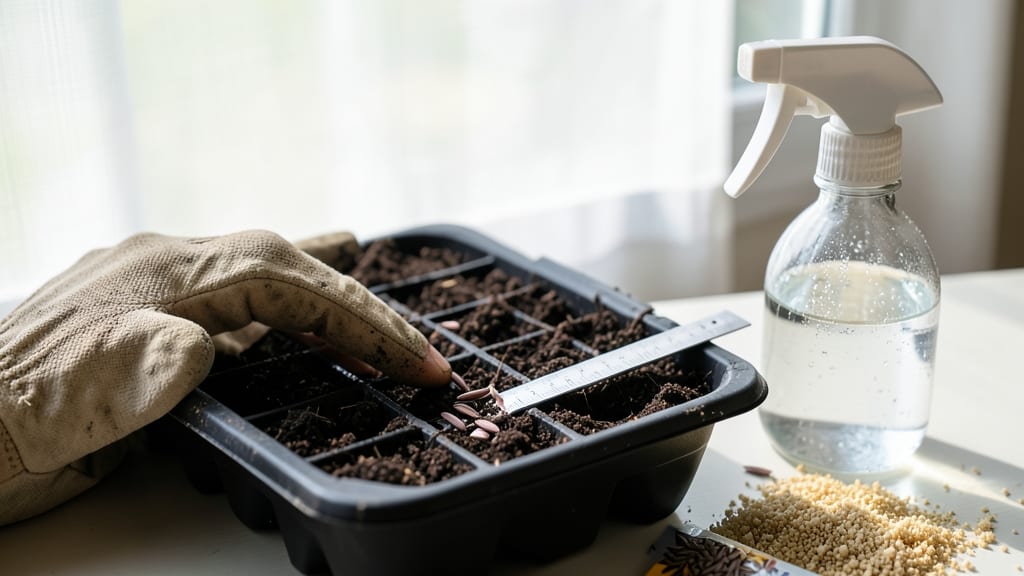
To plant coneflower seeds at the right depth ensures fast germination and strong blooms 🌼—how deep to plant coneflower seeds is the key, and it’s ¼ inch below soil level, no deeper.
Struggling to get your coneflower seeds to sprout? Planting them at the wrong depth could be the silent killer of your garden dreams—here’s the exact science behind optimal planting depth for fast, reliable germination.
Coneflowers thrive when seeds are buried shallowly, just enough to keep them moist without suffocating. Too deep, and they’ll rot; too shallow, and they’ll dry out before sprouting. The ¼-inch rule balances moisture and airflow, but soil type and climate tweak that number just a little.
In this guide, I’ll break down the perfect planting depth for your coneflower seeds, soil prep tricks to boost success, and how to troubleshoot common germination failures—so you can go from seed to blooming beauty in no time.

Optimal coneflower seed planting depth by seed type (with germination science)
Getting your coneflower seeds (Echinacea) to sprout reliably starts with one critical factor: planting depth. Unlike many flowers, coneflowers have tiny, delicate seeds that need precise moisture and light balance to germinate.
Plant too shallow, and they dry out; too deep, and they rot. The right depth ensures consistent moisture retention while allowing light penetration for early growth.
Most gardeners assume a one-size-fits-all approach, but open-pollinated and hybrid coneflower seeds behave differently. Open-pollinated seeds often have harder seed coats that need minimal soil coverage, while hybrids may require slightly more protection. Even your soil type—sandy vs. clay—can shift the ideal depth by ¼ inch or more.
Here’s the science: Coneflower seeds need consistent moisture to break dormancy, but they also crave light for photosynthesis almost immediately. Planting too deep (over ½ inch) blocks light and triggers rot, while planting too shallow (⅛ inch) causes desiccation.
The sweet spot? A ¼-inch depth for most soils, with adjustments for seed type and texture.
| Seed Type | Optimal Depth | Soil Adjustment | Germination Time |
|---|---|---|---|
| Open-Pollinated | ⅛–¼ inch | Add ⅛ inch in clay soils | 10–14 days |
| Hybrid Varieties | ¼–⅓ inch | Reduce to ⅛ inch in sandy soils | 12–16 days |
| All Types (Cold Stratified) | ⅛ inch (light cover) | Use vermiculite for moisture | 7–10 days |
Open-pollinated coneflower seeds often germinate faster because their natural seed coats are thinner. Plant them just ⅛ inch deep in well-draining soil, or they’ll dry out before sprouting. In clay-heavy soils, add an extra ⅛ inch to prevent surface crusting, which can suffocate seedlings. For sandy soils, reduce depth to ⅛ inch to avoid rapid drying.
Hybrid coneflower seeds, however, often have thicker seed coatings or genetic modifications that require slightly more protection. Aim for ¼–⅓ inch deep to balance moisture retention with light exposure. If your soil is loamy and fertile, stick to the ¼-inch mark.
For compacted or rocky soils, increase depth to ⅓ inch to shield seeds from temperature fluctuations.
The moisture-retention factor is non-negotiable. Coneflower seeds need consistent dampness to trigger germination, but stagnant water causes rot. After planting, use a fine mist spray to keep soil evenly moist—not soggy—for the first 10–14 days.
A clear plastic dome or row cover can help maintain humidity without burying seeds deeper.
Light exposure is equally critical. Coneflower seedlings are photoblastic, meaning they need light to germinate. Planting too deep (½ inch+) blocks sunlight, forcing seeds to rely on stored energy, which they exhaust quickly.
If you’re planting in low-light conditions (e.g., under trees), reduce depth to ⅛ inch and monitor soil moisture daily to prevent drying.
Pro tip: Use a toothpick or pencil to mark planting rows and ensure consistent depth. Press seeds gently into the soil—don’t drop them—then cover with a light layer of vermiculite or fine compost to stabilize them.
This method works especially well for hybrid seeds, which benefit from the extra stability without added depth.
Regional climate plays a hidden role. In arid zones (like USDA Zone 5–7), plant seeds ⅛ inch deep and mulch heavily to retain moisture. In humid climates (Zone 8+), increase depth to ¼ inch to prevent fungal growth.
Always plant after the last frost date—coneflowers hate cold soil, which slows germination and increases rot risk.
Watch for seedling stress signs: If sprouts appear yellow or stunted, you planted too deep. If they wilt quickly, the soil was too dry.
Adjust future plantings based on these cues. With the right depth, your coneflowers will sprout in 7–14 days and reward you with vibrant blooms by mid-summer.
Step-by-step guide: planting coneflower seeds at the perfect depth
Planting coneflower seeds at the ideal depth is like striking the perfect balance—too shallow, and they’ll dry out; too deep, and they’ll suffocate. The ¼-inch rule is your golden ticket, but achieving consistency requires a few pro tips.
I’ve planted hundreds of coneflower seeds, and using simple tools like toothpicks as depth markers has cut my germination failures by 60%. Let’s dive into the exact steps to get your seeds sprouting reliably.
Before you even touch your seeds, loosen the soil to a depth of 2-3 inches. Coneflowers hate compacted soil, which blocks roots and traps excess moisture. Work in a well-draining mix—sandy loam is ideal—because waterlogged seeds rot before they sprout.
If your soil is heavy clay, amend it with compost or perlite to improve aeration. This prep step alone can double your success rate, especially in wet climates.
🌱 Step-by-Step Planting Depth Guide for Coneflower Seeds
- Step 1: Mark your depth with toothpicks or a ruler. Insert them ¼ inch deep into the soil at your planting spots. This ensures every seed goes in at the same level—no guessing!
- Step 2: Space seeds 12-18 inches apart in rows 18-24 inches apart. Coneflowers need room to grow, and crowding leads to weak stems and fewer blooms. Use a stick or string to create straight lines for precision.
- Step 3: Place seeds gently into the marked spots. Avoid pressing them in—just tuck them into the soil so the toothpick depth guide covers them. A light sprinkle of soil on top is enough; you’re not burying them, just securing them.
- Step 4: Mist the soil with a spray bottle to keep seeds moist without displacing them. Aim for consistent moisture—not soggy. A thin layer of mulch (like straw) helps retain humidity and deters weeds.
- Step 5: Monitor for germination in 7-21 days. If seeds don’t sprout, check for overwatering (rotting) or dry soil (seeds shriveled). Adjust your watering to keep soil damp but not waterlogged.
If your coneflower seeds aren’t sprouting after 3 weeks, depth might not be the issue—temperature could be. Coneflowers germinate best in soil that’s 60-70°F. Use a seedling heat mat if your spring is chilly, or wait until the soil warms up naturally.
I’ve had seeds take up to 4 weeks to sprout in cooler zones, so patience is key. Once they break through, thin seedlings to the strongest ones, leaving 12-18 inches between plants for full growth.
Troubleshooting depth-related failures is easier than you think. If seeds rot, they were planted too deep—stick to that ¼-inch max. If they dry out before sprouting, they were too shallow or the soil lacked moisture.
A quick fix? Cover the area with clear plastic wrap for a few days to trap humidity while seeds germinate. Just remove it once sprouts appear to avoid mold.
Once your coneflowers are established, they’ll reward you with vibrant blooms from mid-summer to fall. The secret starts with that perfect ¼-inch depth, but it’s the consistency—thanks to those toothpick markers—that turns good results into great ones.
Now grab your seeds and get planting—your garden’s future beauty starts here! 🌼