
Size
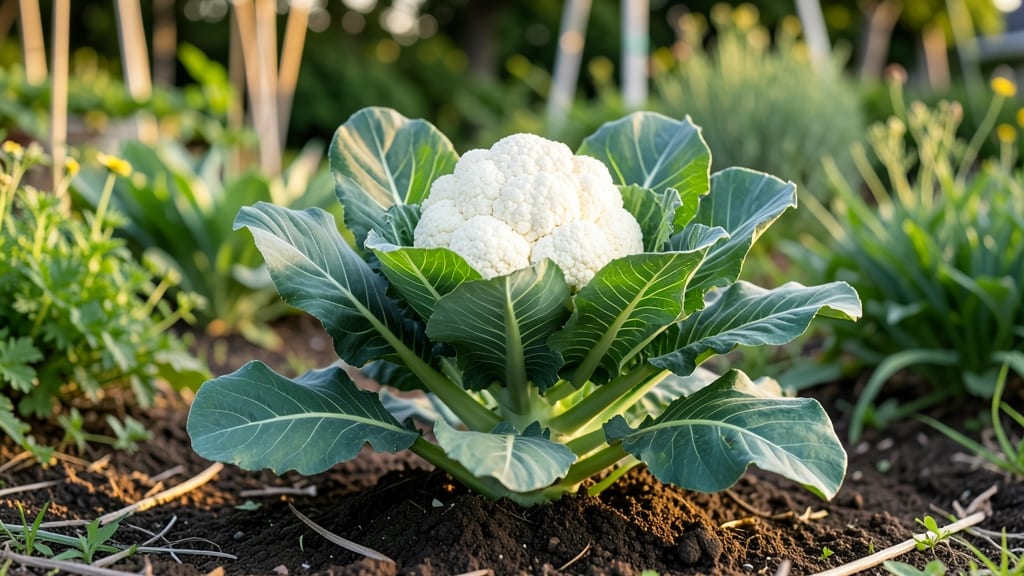
Cauliflower takes between 70 and 100 days to grow from seed to harvest, depending on the variety and growing conditions 🥬 — a timeline that can feel like an eternity if you're eager for that perfect head.
Picture this: you've just planted your seeds in early spring, dreaming of crisp, homegrown cauliflower by summer. But then the days stretch on, and your plants seem to grow leaves faster than they form that coveted curd.
That frustration is real, and it's why knowing the growth stages—and how to optimize them—is the game-changer for any gardener.
From seed germination to head formation, every stage of the cauliflower's journey depends on factors like soil quality, sunlight, and temperature. Get these right, and you could shave weeks off that 70-100 day timeline.
Miss the mark, and you might find yourself waiting even longer—or worse, watching your plants struggle without a harvest in sight.
In this guide, I’ll break down the exact growth timeline, share proven tips to speed up your cauliflower’s development, and help you avoid common pitfalls. By the end, you’ll know exactly what to expect—and how to make sure your garden delivers on time.


Cauliflower growth timeline: from seed to harvest in 70-100 days
Cauliflower is one of those vegetables that rewards patience with a bountiful harvest—if you know what to expect at each stage.
From the moment you plant those tiny seeds to the day you harvest your firm, white curds, the journey takes about 70-100 days, depending on the variety and growing conditions. Understanding this timeline helps you plan your garden, troubleshoot delays, and ensure a successful crop.
The growth process unfolds in distinct phases: seed germination, leaf development, and curd formation. Each stage depends heavily on temperature, sunlight, and soil quality.
For example, cool weather accelerates early growth, while too much heat can stunt head development. Let’s break down each milestone so you can track progress like a pro.
The first stage, seed germination, kicks off within 7-14 days if soil temperatures stay between 60-70°F. I’ve found that using a seedling heat mat can speed this up in cooler climates.
Once sprouts emerge, they’ll develop their first true leaves—this is when you’ll notice rapid vertical growth. Leaf development typically takes another 2-4 weeks, with plants reaching about 6-12 inches tall.
Here’s where many gardeners hit a snag: the transition to curd formation. Around 30-50 days, your cauliflower will start forming its iconic head. This phase is critical—too much heat or drought can cause the plant to bolt (send up a flower stalk) instead of producing a head.
I once lost an entire batch because I let the soil dry out during this stage. To prevent this, mulch heavily and water deeply in the morning.
By 50-70 days, you should see the head swelling to its full size—typically 6-8 inches in diameter. This is when color development kicks in, especially for varieties like Purple of Sicily. The head should feel firm to the touch, not spongy.
If you notice the outer leaves yellowing or the curds loosening, it’s a sign the plant is stressed or overripe. Harvest before this happens for the best texture and flavor.
Timing your harvest correctly is an art. The ideal window is when the head is fully formed but still compact. For white cauliflower, this means a tight, snowball-like appearance.
For colored varieties, the hues should be vibrant and consistent. I like to harvest in the early morning when temperatures are coolest—this helps preserve the head’s freshness longer.
Environmental factors play a huge role in how long cauliflower takes to grow. For instance, cool temperatures (50-75°F) are ideal for most of the growth cycle, while hotter weather above 80°F can cause bolting.
Similarly, 6-8 hours of sunlight daily is non-negotiable—cauliflower is a full-sun lover. If your garden gets less light, opt for shorter varieties or grow them in containers near a sunny wall.
Soil quality also impacts the timeline. Cauliflower thrives in well-draining, fertile soil with a pH of 6.0-7.0. I’ve had the best success amending my garden beds with compost and aged manure before planting.
Additionally, side-dressing with a low-nitrogen fertilizer (like 5-10-10) during the curd development stage can boost head size and speed up maturity.
If you’re growing cauliflower in containers, expect a slightly slower timeline—about 10-15 extra days—due to root restrictions. However, container gardening gives you control over soil quality and moisture, which can actually improve head consistency.
Just ensure your pots are at least 12 inches deep and wide enough to accommodate the plant’s mature size.
🌱
How to speed up cauliflower growth: proven tips for faster harvests
If you're staring at your cauliflower seedlings wondering why they're not forming heads faster, you're not alone. The 70-100 day growth timeline can feel like a marathon, but with the right strategies, you can shave weeks off that wait time.
The secret lies in optimizing conditions at every growth stage—starting with soil preparation and ending with harvest timing.
I've learned through trial and error (and a few failed harvests) that cauliflower growth isn't just about patience—it's about creating the perfect environment. From my garden to yours, these proven tips will help you grow cauliflower faster while avoiding common mistakes that stall development.
🌱 Proven Ways to Speed Up Cauliflower Growth
- 1 Start with warm soil: Cauliflower seeds germinate best in soil that's at least 50°F (10°C). Use a seedling heat mat if planting early in cool climates.
- 2 Space plants properly: Give each plant 18-24 inches of space. Crowding slows growth by 2-3 weeks as plants compete for nutrients.
- 3 Water deeply in mornings: Consistently wet soil (1-2 inches per week) prevents stress. Avoid night watering to reduce fungal risks like black rot.
- 4 Use shade cloth in hot climates: Temperatures above 85°F (29°C) cause bolting. A 30-50% shade cloth keeps heads tight and white.
- 5 Fertilize with phosphorus: A 5-10-10 NPK fertilizer every 4-6 weeks promotes faster head formation. Stop fertilizing 2 weeks before harvest.
- 6 Harvest at the right time: Pick when heads are 6-8 inches and firm. Waiting too long turns curds yellow and tough.
One of the biggest mistakes I see gardeners make is overlooking soil pH. Cauliflower thrives in 6.0-7.0 pH soil—any lower, and your plants won't absorb nutrients efficiently. Test your soil before planting and amend with lime if needed.
I once had a batch of cauliflower that grew leaves but no heads because my soil was too acidic.
For cooler climates (USDA zones 3-5), consider fall planting after your first frost. Cauliflower grows well in 50-75°F (10-24°C) temperatures, and a late-summer planting can yield heads by early fall—often 2-3 weeks faster than spring varieties.
Remember, the key to faster cauliflower growth is consistency. Whether it's watering, fertilizing, or protecting from pests, small daily efforts add up to big results. With these tips, you'll be enjoying homegrown cauliflower weeks ahead of schedule—no waiting required! 🥬