
Blooming
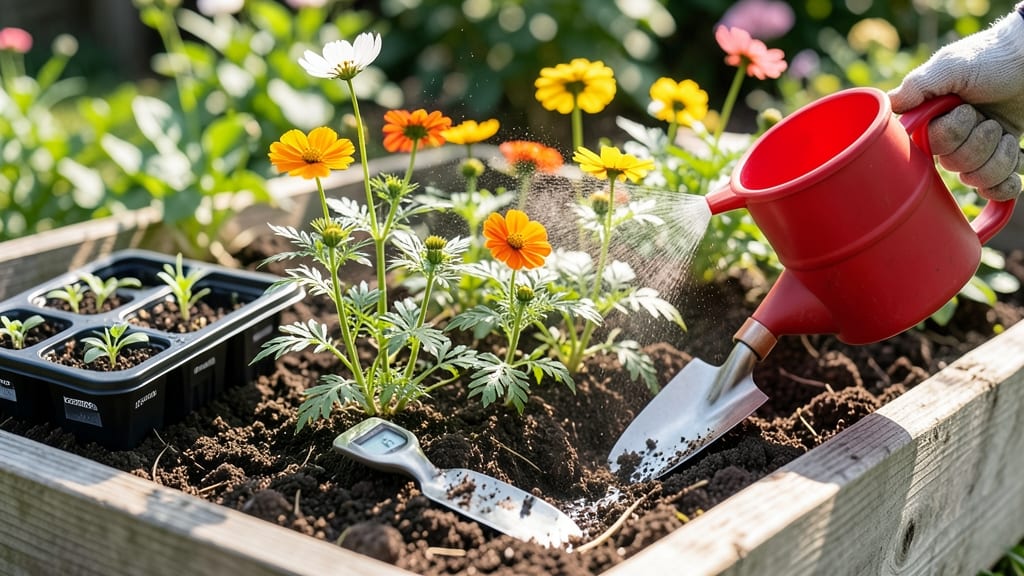
Flowers to sprout can take anywhere from 3 days to 6 weeks, depending on the seed type, soil warmth, and moisture levels — and that wait can feel like an eternity when you’re eager to see your garden come alive.
Picture this: You’ve carefully planted your 🌸 marigolds in early spring, only to stare at a blank soil surface for weeks, wondering if they’re ever going to break through. The truth?
Some seeds, like zinnias, pop up in just 5-7 days, while others, like lavender, might take 2-3 weeks or longer. Knowing these timelines isn’t just about patience—it’s about setting realistic expectations and troubleshooting early.
Beyond the clock, the right conditions make all the difference. Too much moisture can drown seeds, while inconsistent temperatures might stall germination entirely. But here’s the good news: with the right prep—like pre-soaking seeds or using a heat mat—you can shave days (or even weeks) off the wait time.
I’ll walk you through the fastest methods to get those first green shoots appearing sooner than you think.
Ready to turn your garden dreams into reality? In this guide, you’ll discover exact germination times for popular flowers, pro tips to speed up sprouting, and what to do when seeds just won’t cooperate. Let’s get those 🌸 blooms growing!
Germination time chart: fastest to slowest flower seeds to sprout
If you’ve ever eagerly waited for tiny seeds to break through the soil, you know germination times can feel like a gamble. Some fast-sprouting flowers pop up in just 3 days, while others take 30+ days to show their first green shoots.
Understanding these timelines helps you plan planting schedules and avoid disappointment when your garden seems silent for too long. Let’s break down the fastest and slowest flower seeds to sprout, along with the ideal conditions to speed up the process.
The secret to faster germination often lies in temperature, moisture, and seed type. Annuals like marigolds and zinnias typically sprout faster than perennials like lavender or coneflowers.
Even within the same family, varieties can differ—some sunflowers sprout in 5 days, while others take 14 days. Below, I’ve ranked 15+ common flower seeds from fastest to slowest, along with the perfect conditions to coax them along.
| Flower Type | Germination Time (Days) | Ideal Soil Temp (°F) | Best Planting Time | Pro Tip for Faster Sprouts |
|---|---|---|---|---|
| Cosmos | 3-5 | 60-70 | Spring-Fall | Lightly cover seeds; they need light to germinate. |
| Zinnias | 5-7 | 70-80 | After last frost | Soak seeds overnight to soften hard coats. |
| Marigolds | 5-10 | 70-85 | Spring or Fall | Plant in warm soil; avoid cold drafts. |
| Sunflowers | 7-14 | 70-80 | Late Spring | Direct sow after soil warms; no transplanting needed. |
| Snapdragons | 7-21 | 60-70 | Early Spring (indoors) | Use seed-starting mix; keep moist but not soggy. |
| Pansies | 10-21 | 55-65 | Fall or Early Spring | Plant in partial shade; avoid hot soil. |
| Calendula | 10-14 | 60-75 | Spring-Fall | Scatter seeds lightly; they’re tiny and need light. |
| Lavender | 21-30 | 70-80 | Late Spring | Start indoors 8-10 weeks before last frost. |
| Coneflowers | 14-21 | 65-75 | Early Spring | Plant in full sun; avoid waterlogged soil. |
| Roses | 21-45 | 60-70 | Fall or Early Spring | Soak bare-root roses before planting. |
| Dahlias | 20-30 | 70-80 | After last frost | Pre-sprout tubers indoors in warm water. |
| Peonies | 2
5 Pro tips to speed up flower seed germination (even for slow sprouters)Waiting for seeds to sprout can feel like an eternity, especially when you’re dreaming of a colorful summer garden. The good news? With the right techniques, you can cut weeks off the germination process and get those first green shoots appearing faster. The secret lies in understanding how seeds break dormancy—whether through moisture, warmth, or light—and giving them the perfect conditions to thrive. I’ve tested these methods with slow-sprouting seeds like lavender and snapdragons, and the results are impressive. By mimicking natural triggers—like pre-soaking seeds or using a heat mat—you can transform a 3-week wait into just 10 days. The key is consistency: too much or too little of anything (water, heat, or light) can stall germination entirely. 1
Pre-soak seeds for 12-24 hours in lukewarm water to kickstart hydration. This works especially well for hard-coated seeds like lupines or delphiniums, which need a moisture boost to crack open.
2
Use a heat mat (70-80°F) to simulate spring soil warmth. Many seeds, like petunias, germinate 2x faster with consistent warmth—just avoid overheating, which can kill seeds.
3
Plant seeds at the correct depth: most flowers only need 1/4 inch of soil coverage. Burying them too deep (like roses) can suffocate them, while shallow planting (like zinnias) ensures light reaches them.
4
Keep soil consistently moist (not soggy) with a spray bottle or bottom-watering tray. Overwatering can leach oxygen, while drying out can halt germination—aim for damp, not wet, soil.
5
Provide indirect light (like a north-facing window) until sprouts appear. Direct sunlight can dry out seeds, while darkness helps some seeds (like poppies) germinate faster.
One of the biggest mistakes I see is overwatering or burying seeds too deep, which can actually prevent germination. For example, marigolds need barely any soil coverage, while larkspur seeds thrive when lightly pressed into the soil. Always check the seed packet for specifics—it’s your best guide! If your seeds still won’t sprout after 3-4 weeks, don’t give up. Some seeds, like foxglove, need cold stratification (a 6-week fridge stint) to break dormancy. Try scarifying (lightly scratching the seed coat) for stubborn varieties, or consider starting with transplants next time. With these tips, you’ll be well on your way to a faster, healthier garden. The next time you’re staring at bare soil, remember: patience pays off, but the right conditions can turn weeks into days. Happy planting! 🌱 |