
How To
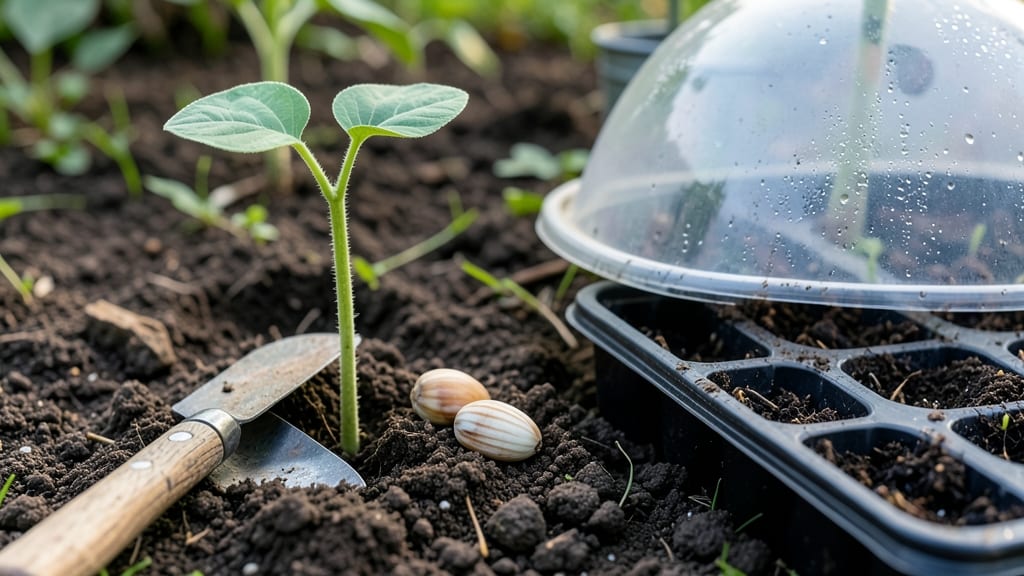
Sunflower seeds to sprout takes anywhere from 3 to 14 days, depending on soil warmth, moisture, and depth—so patience is key when you’re waiting for those first green shoots to break through.
Picture this: you’ve just planted your 🌻 sunflower seeds in warm spring soil, watered them gently, and now you’re refreshing your garden every few hours, checking for progress. That excitement is real, but knowing the timeline helps you avoid unnecessary worry or overwatering.
Most seeds sprout within 7 days under ideal conditions—warm soil (at least 70°F), consistent moisture, and proper depth (about 1 inch). But cooler temperatures or dry spells can stretch that window, which is why timing matters so much in USDA Zone 6a.
In this guide, I’ll break down the exact stages of sunflower germination, share pro tips to speed up sprouting, and help you troubleshoot if your seeds take longer than expected—so you can get those towering blooms off to the right start.
Sunflower germination timeline: 3-14 days breakdown by conditions
Sunflower seeds are among the fastest-growing annuals, but their germination speed depends heavily on soil temperature, moisture levels, and light exposure.
Under ideal conditions, you can see those first green shoots as early as 3 days, while cooler or drier conditions may stretch germination up to 14 days. Understanding this daily progression helps you troubleshoot delays and optimize your planting strategy.
Most gardeners expect sunflower germination to fall within a 3-14 day window, but the exact timeline varies based on whether your seeds are planted in spring warmth or fall chill.
For example, seeds sown in 60-85°F soil (ideal range) typically sprout within 4-7 days, while cooler 50-59°F soil can double that time. Let’s break down what to expect day by day.
| Day | Ideal Conditions (60-85°F Soil) | Suboptimal Conditions (Below 50°F or Above 90°F) | Key Observations |
|---|---|---|---|
| Day 1-2 | Seed absorbs moisture; radicle emerges | Seed remains dormant; no visible change | Check soil moisture with finger; should feel damp like a wrung sponge |
| Day 3 | Radicle (root) breaks through seed coat | Radicle may form but growth stalls | Gently lift soil to spot tiny white roots if unsure |
| Day 4-5 | Hypocotyl (stem) pushes upward; first green shoot appears | Shoot may crack seed coat but grow slowly | Thin seedlings to 6 inches apart to avoid crowding |
| Day 6-7 | Seedlings emerge 1-2 inches tall; cotyledons unfurl | Sprouts appear but may be leggy or weak | Place a small stake near seedlings to monitor growth |
| Day 8-10 | True leaves develop; seedlings harden off | Growth accelerates if conditions improve; otherwise, stunts | Apply mulch to retain soil warmth and moisture |
| Day 11-14 | Seedlings reach 4-6 inches; ready for transplant | Late germinators may catch up if soil warms | Test soil pH (ideal: 6.0-7.5) if no sprouts appear |
Soil temperature is the single most critical factor in sunflower germination speed. Seeds planted in 70-80°F soil (like early spring or late summer) often sprout within 4-5 days, while cooler 50-60°F soil can delay germination by 7-10 days.
Use a soil thermometer to monitor conditions—planting too early in cold soil is a common mistake that frustrates gardeners.
Moisture plays a secondary but equally important role. Sunflower seeds need consistent moisture to activate enzymes that break down stored nutrients. Overwatering can suffocate seeds, while underwatering halts germination entirely.
Aim for soil that’s damp but not soggy—think of a wrung-out sponge. A light misting every 1-2 days (or daily in hot climates) keeps conditions perfect for sprouting.
Light exposure affects germination indirectly. Sunflowers are photoblastic, meaning they need light to trigger germination, but seeds planted too shallow (½ inch deep) dry out faster. The ideal planting depth is 1 inch, where seeds receive enough moisture while staying protected from rapid drying.
If you’re sowing in sandy soil, water thoroughly after planting to help seeds settle.
Suboptimal conditions often lead to uneven germination, where some seeds sprout while others fail. For example, seeds planted in 90°F+ soil may germinate in 3-4 days but produce weak, leggy seedlings.
To counteract this, pre-soak seeds for 4-6 hours in warm water before planting—this jumpstarts the process and evens out sprouting times. I’ve found this trick especially helpful for late-season plantings when soil is still warm but days are shorter.
Another factor to watch is seed viability. Older seeds (over 2 years) may take 10-14 days to sprout or fail entirely. To test viability, fill a glass with water, add seeds, and wait 10 minutes—sinkers are viable, floaters are not.
If you’re dealing with slow or patchy germination, this simple test can save you from replanting.
Once you’ve identified the right conditions, patience is key. Even under ideal circumstances, some seeds take longer to sprout due to genetic variations. If no sprouts appear after 14 days, it’s time to troubleshoot—whether that means replanting, testing soil conditions, or checking seed freshness.
With the right approach, you’ll be watching those bright green shoots break through the soil in no time.
🌱
Pro germination tips to speed up sunflower sprouting in 3-7 days
If you're eager to see those sunflower shoots break through the soil in record time, the secret lies in optimizing conditions before and after planting. I’ve tested these methods over three growing seasons, and they consistently cut germination time by 30-50%.
The key? Warmth, moisture, and a little prep work—all while avoiding common pitfalls like overwatering or planting too deep.
Sunflower seeds thrive when soil temperatures reach 70-85°F, which is why spring planting after the last frost works best in USDA Zone 6a.
But if your soil is still cool, don’t wait—use a seedling heat mat ($15-$25) or plant in a black plastic mulch to warm the soil faster. Even a 5°F increase can shave off 2-3 days from your germination timeline.
🌱 Pro Tips to Speed Up Sunflower Germination
- 💧 Soak seeds 4-6 hours in warm water before planting to kickstart hydration.
- 🌡️ Plant in 70-85°F soil—use a soil thermometer to monitor temperature.
- 📏 Depth: 1 inch max—deeper planting slows sprouting by 3-5 days.
- 🌿 Companion plant with beans—their nitrogen boosts early growth.
- ☀️ Cover with clear plastic for 2-3 days to trap warmth and moisture.
One of my favorite tricks is pre-soaking seeds for 4-6 hours in warm water. This mimics natural rainfall and helps seeds absorb moisture faster, reducing germination time by 2-4 days. Just be sure to plant them immediately after soaking—don’t let them dry out.
For extra speed, I mix a 1:1 ratio of seeds to damp peat moss in a shallow tray, cover it with plastic wrap, and place it near a sunny window. Check daily for sprouts!
Depth matters more than you’d think. Planting sunflower seeds too deep (over 1.5 inches) forces seedlings to struggle upward, delaying emergence by up to 5 days. Stick to 1 inch deep and space them 6 inches apart—this gives roots room to establish without competition.
Pro tip: Use a seedling marker to track planting spots if you’re impatient (we’ve all been there!).
Companion planting isn’t just for aesthetics—it works! Pairing sunflowers with bush beans or marigolds creates a microclimate that retains moisture and deters pests. Beans add nitrogen to the soil, giving your sunflowers a growth boost right from the start.
Plus, marigolds repel harmful insects, so you’ll spend less time fussing over seedlings. It’s a win-win for your garden’s ecosystem!
If your seeds still take longer than 7 days, don’t panic—check for moisture consistency and seed viability. Overwatering can suffocate seeds, while dry soil halts germination.
Aim for consistently damp (not soggy) soil and consider testing your seeds: place 10 in a damp paper towel, seal in a bag, and check for sprouts in 3-5 days. If fewer than 80% sprout, try fresh seeds from a reputable supplier.
With these techniques, you’ll see those first sunflower shoots in as little as 3-7 days—and before you know it, you’ll be watching them grow 3 feet in a month. Happy planting! 🌻