
Flowers
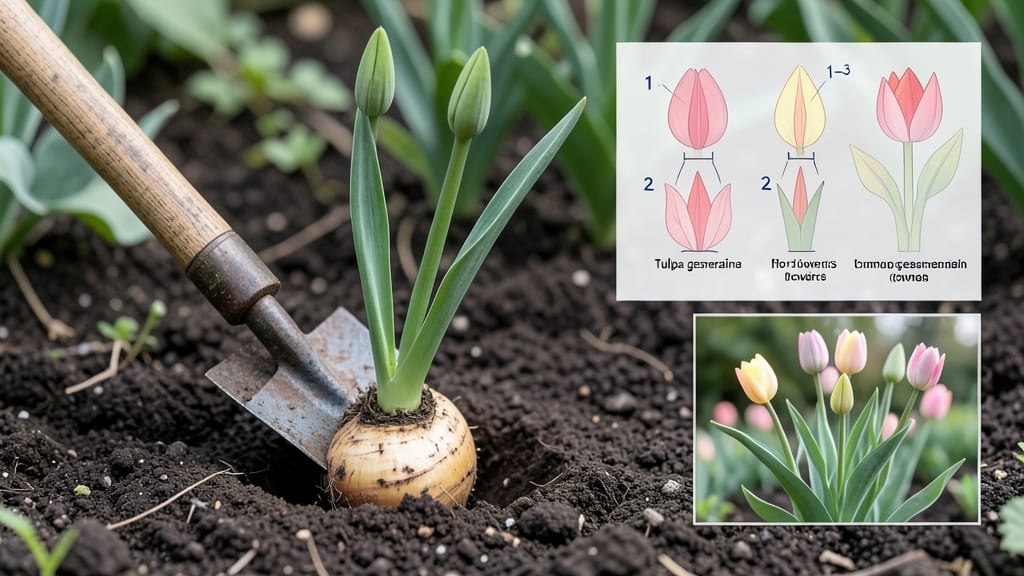
A single tulip bulb typically produces between 1 and 3 flowers per bulb, though the exact number depends on the variety, bulb size, and growing conditions you provide.
Ever wondered why your tulip patch sometimes delivers a handful of blooms while others seem to disappoint? The answer lies in the type of tulip you’re growing—Darwin hybrids often yield 2-3 flowers per bulb, while smaller varieties like fosteriana may only produce 1-2.
Even the health of your bulb plays a role: older, larger bulbs tend to outperform younger ones.
If you’re planning a garden display, knowing these numbers helps you estimate how many bulbs to plant for the show-stopping look you want. But here’s the catch: overcrowding or poor soil can cut flower counts in half.
Below, I’ll break down the best varieties for maximum blooms and how to give your tulips the care they need to reach their full potential.
Ready to turn your garden into a sea of color? You’ll learn how to maximize blooms, spot the signs of a healthy bulb, and even troubleshoot why some varieties underperform—so you can enjoy more flowers per bulb than ever before.
How many flowers per tulip bulb: exact counts by variety type
When you plant tulip bulbs each fall, you're dreaming of a spring explosion of color—but how many flowers per bulb can you really expect? The answer varies wildly by variety type, bulb size, and growing conditions.
Most gardeners assume 1-3 flowers per bulb, but some varieties like Darwin hybrids or double tulips can produce up to 5 blooms from a single bulb! Understanding these numbers helps you plan your garden layout and set realistic expectations for your spring display.
For example, a standard-sized tulip bulb (about 2-3 inches in diameter) typically produces 1-2 flowers in its first year. However, larger bulbs (3+ inches) can yield 3-5 flowers, especially in high-performing varieties. The key is knowing which tulip types deliver the most blooms—and how to maximize their potential.
Let’s break it down by the most popular categories so you can choose the best varieties for your garden goals.
Note: Flower counts can double in subsequent years if bulbs are well-cared-for, but many gardeners replace tulips every 3-4 years to prevent bulb decline. Now, let’s dive into the exact numbers you can expect from each type.
| Variety Type | Avg. Flowers Per Bulb | Bulb Size (Diameter) | Height Range | Best For |
|---|---|---|---|---|
| Darwin Hybrid | 3-5 | 2.5-3.5" | 24-32" | Bold garden statements, long vase life |
| Parrot Tulip | 1-2 (but larger blooms) | 2-3" | 18-24" | Exotic, ruffled petals, containers |
| Fringed Tulip | 2-3 | 2-2.5" | 16-20" | Elegant edges, cottage gardens |
| Double Early | 1 (but layered petals) | 2-2.5" | 12-18" | Romantic, cut flowers |
| Species Tulip (e.g., Fosteriana) | 1-2 | 1.5-2.5" | 8-16" | Early blooms, woodland gardens |
| Triple Late | 1 (but larger clusters) | 2-3" | 20-28" | Late-season color, tall borders |
| Greigii Tulip | 1-2 | 1.5-2" | 12-18" | Striped petals, rock gardens |
If you’re aiming for maximum blooms per square foot, Darwin hybrids are your best bet—they consistently produce 3-5 flowers per bulb and thrive in full sun.
Meanwhile, Parrot tulips might only give you 1-2 flowers, but their oversized, exotic blooms make them worth the trade-off for dramatic garden moments. For early spring color, Fosteriana tulips (a species type) deliver 1-2 flowers but bloom when few other tulips are in season.
Bulb size also plays a critical role. A large tulip bulb (3+ inches in diameter) can produce 2-3 times more flowers than a small one (1.5 inches).
For example, a #10 bulb (the largest size) of a Darwin hybrid might yield 5-7 flowers, while a #12 bulb (smallest) could only produce 1-2 blooms. Always check bulb size labels when shopping—it’s the best predictor of your spring harvest!
Another factor to consider is whether you’re growing single-stemmed or multi-stemmed varieties. Single-stemmed tulips (like many Darwin hybrids) produce one main stem with 1-3 flowers, while multi-stemmed types (like Queen of Night) may send up 2-3 stems per bulb, each with its own bloom.
This can add up quickly in a border or container garden!
Pro tip: To maximize flower counts, plant bulbs in well-draining soil with full
Why some tulip bulbs produce more flowers than others
Not all tulip bulbs deliver the same number of blooms, and the difference often comes down to how you care for them. A mature, healthy bulb planted in ideal conditions can produce up to 3 flowers per stem, while a younger or stressed bulb might only yield 1.
The good news? With the right approach, you can maximize flower production from each bulb in your garden.
Let’s break down the key factors that influence how many flowers your tulips produce. From planting depth to post-bloom care, small adjustments can lead to big results.
For example, bulbs planted too shallow may produce fewer blooms, while those in well-draining soil with full sun thrive and multiply over time.
- 🌱 Bulb Maturity: Older, larger bulbs (2+ inches in diameter) produce 2-3 flowers per stem, while smaller bulbs may yield only 1.
- ☀️ Sunlight Exposure: 6+ hours of sun daily ensures robust growth; less sun can reduce blooms by 50%.
- 💧 Soil Quality: Well-draining, nutrient-rich soil (pH 6.0–7.0) supports stronger bulbs and more flowers.
- ✂️ Planting Depth: Plant bulbs 6–8 inches deep—too shallow or deep can stunt flower production.
- 🌿 Post-Bloom Care: Leave foliage until yellow to replenish bulb energy for next year’s blooms.
One of the biggest myths about tulips is that they’re one-and-done plants. In reality, with proper care, a single bulb can produce more flowers over time.
For instance, Darwin hybrid tulips often reward gardeners with 2-3 flowers per bulb in their second or third year, especially if you fertilize them in early spring. The key is to avoid overcrowding—bulbs need space to store energy for future blooms.
Another critical factor is fertilization timing. Applying a balanced fertilizer (5-10-10 NPK) in early spring, when shoots emerge, gives bulbs the nutrients they need to produce more flowers. Skip this step, and you might see fewer blooms—or even no flowers at all.
I’ve seen gardens where tulips produced double the flowers after just one season of proper fertilization!
Don’t forget about bulb division. Over time, tulip bulbs form clusters, and dividing them every 3-4 years can boost flower production. When you separate bulbs, you’re essentially giving each one more room to grow, which translates to more stems and flowers per bulb.
It’s a simple task that can make a huge difference in your garden’s spring display.
If your tulips aren’t producing as many flowers as you’d like, start with these adjustments: test your soil, ensure they’re getting enough sun, and fertilize in early spring. With the right care, you’ll transform a few blooms into a sea of color that brightens your garden every year.