
Flowers
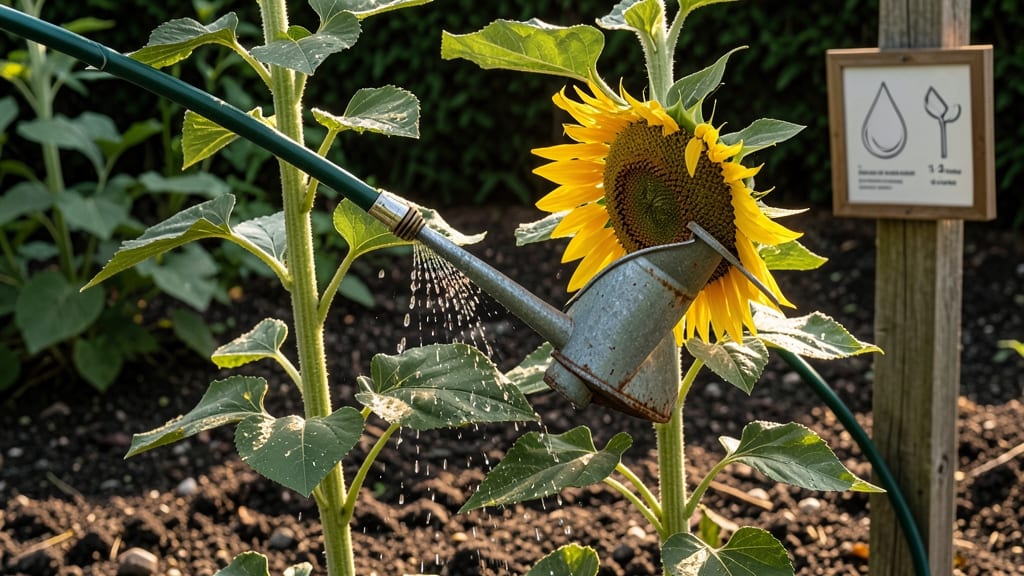
Mastering how often to water sunflowers is the secret to growing them from delicate seedlings into proud, towering blooms—but skip this step, and you risk drowning their roots or leaving them thirsty. Picture this: your 🌻 sunflowers wilt by noon, or worse, their stems turn mushy from too much love.
The key isn’t just how often you water but how deep and when—and it changes as your plants grow. Below, I’ll break down the exact schedule for each stage, plus the simple soil test that tells you exactly when to reach for the hose.
Most gardeners overcomplicate watering, but sunflowers are tougher than they look. With the right rhythm—deep soaks in the morning, less often as they mature—you’ll avoid root rot, pests, and floppy stems. Think of it like training for a marathon: consistent, steady, and never too much at once.
By the end, you’ll know not just how often to water but how to read your sunflowers’ thirst signals—wilting leaves, crisp stems, or drooping heads—so you can adjust on the fly. No guesswork, just healthy, happy sunflowers that reach for the sky.
How often to water sunflowers by growth stage (with soil test guide)
Sunflowers are drought-tolerant giants once established, but their seedling stage is delicate. The key to success lies in deep, infrequent watering that encourages strong root growth. I’ve learned the hard way that overwatering kills sunflowers faster than underwatering—especially in clay-heavy soils where roots suffocate.
Let’s break down the exact watering schedule by growth stage, plus my foolproof soil-moisture test to keep your sunflowers thriving.
Your sunflower’s watering needs change dramatically from sprout to bloom. Seedlings need consistent moisture to prevent wilting, while mature plants can survive weeks without rain if their roots run deep. The trick? Water deeply but infrequently—aiming for 1-2 inches of soil moisture at all times.
Here’s how I adjust my watering routine as my sunflowers grow, plus the one-minute soil test that saves me from guessing.
For seedlings, I use a shallow watering tray to maintain consistent moisture without drowning tender roots. The soil should never dry out completely—if it does, your seedlings will wilt permanently.
I check moisture by pressing my finger 1 inch deep; if it feels dry, it’s time to water. Pro tip: Use a spray bottle for gentle hydration during the first two weeks.
When sunflowers reach 3-6 inches tall, they’re ready for deep watering. I switch to a soaker hose or drip irrigation to deliver water directly to the roots, avoiding wet foliage that invites fungal diseases. The soil-moisture test becomes crucial: Stick your finger 4-6 inches deep.
If the soil feels dry at this depth, water thoroughly until moisture reaches 12 inches down. This encourages roots to grow deeper, making your sunflowers more resilient.
Mature sunflowers (7+ weeks old) are surprisingly drought-tolerant. I water every 5-7 days only if the soil is bone-dry at 8-12 inches deep. Here’s my foolproof test: Grip the stem gently—if it feels soft or spongy, it’s overwatered.
If it’s dry and crisp, it’s thirsty. During hot, dry spells, I increase frequency to every 3-4 days but always water deeply to avoid shallow roots.
During the blooming stage, sunflowers need less frequent but deeper watering. The focus shifts to supporting the flower head and preventing stress. I water every 7-10 days, targeting the base of the plant with a slow, deep soak.
Avoid overhead watering—wet petals attract pests like aphids and can cause brown spots on the blooms. If your sunflower’s petals droop in the afternoon, it’s likely thirsty, but revive it with a morning watering.
Once sunflowers have finished blooming, watering needs drop dramatically. I reduce frequency to every 2-3 weeks, focusing on seed development rather than foliage. The goal is to keep the root zone moist without overdoing it—sunflowers store energy in their taproots, so deep, infrequent watering is key.
If you’re growing sunflowers for seeds, this stage is critical: underwatering shrinks seeds, while overwatering causes them to rot.
Climate plays a huge role in sunflower watering. In hot, dry regions, I water every 2-3 days during peak summer, while in humid climates, I might skip watering entirely for 10+ days if rain is frequent.
Always adjust based on your local weather and soil type: Sandy soil drains fast and needs daily checks
Signs your sunflowers need water (and when to hold off)
Sunflowers send clear signals when they're thirsty—but many gardeners confuse natural wilting with water stress. Unlike drought-tolerant plants, sunflowers need consistent moisture to support their rapid growth and heavy flower heads. The key is learning the difference between a plant begging for water and one suffering from overwatering.
One of the first signs your sunflowers need water is leaf drooping that happens quickly, especially in hot afternoons. Healthy sunflowers should bounce back within a few hours after watering.
If leaves stay limp even after hydration, it could indicate root damage from either underwatering or overwatering. Always check the soil first!
Here’s how to tell if your sunflowers need water—or if you’re giving them too much:
Watering Sunflowers: What to Do (And When to Stop)
✅ DO Water When:
- Top 1-2 inches of soil feel dry
- Leaves wilt by midday but perk up at night
- Stems feel slightly soft when squeezed (not mushy!)
- You’re in hot/dry climates (every 2-3 days)
- Flower buds look shriveled before blooming
❌ DON’T Water When:
- Soil is still damp 1-2 inches down
- Leaves turn yellow or brown at edges
- Stems feel mushy or hollow (root rot)
- You’re in humid climates (wait for dry topsoil)
- Water pools on surface after 30+ minutes
Climate plays a huge role in sunflower watering needs. In arid regions, I water mine deeply every 2-3 days in summer, while in humid zones, I wait until the top 2 inches of soil are bone-dry.
Always adjust based on rainfall—sunflowers hate soggy roots but also struggle with chronic drought stress.
For a quick test, grab a handful of soil near the base of your sunflower. If it crumbles like dry sand, it’s time to water.
If it sticks together like wet clay, hold off for another day. This simple trick saves me from both overwatering and underwatering disasters every season.
Remember, sunflowers are resilient once established, but seedlings need consistent moisture to avoid stunted growth. If you see new leaves curling or flowering stalks bending, it’s often a sign of either too much or too little water.
Trust your soil—and your sunflowers will thank you with vibrant blooms and towering stalks! 🌻