
Size
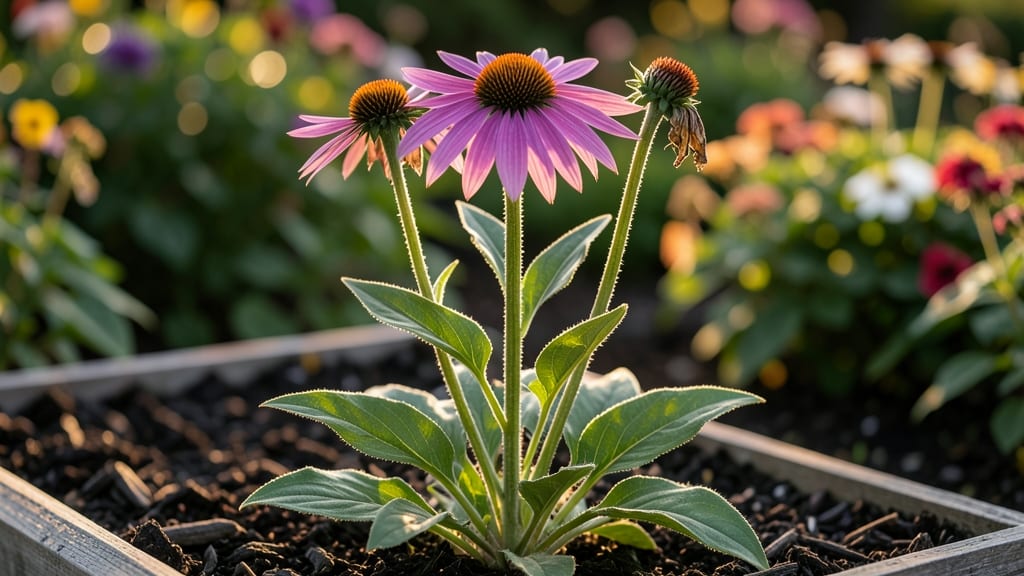
Coneflowers grow between 1 and 4 feet tall, depending on the variety and growing conditions 🌼 — a range that lets you use them as everything from front-border accents to bold back-of-the-bed statement plants.
If you’ve ever stared at a seed packet wondering whether a coneflower will dwarf your other perennials or blend seamlessly into your design, the answer lies in choosing the right type.
Some varieties barely top your knee, while others reach shoulder height, and that difference can completely change how you plan your garden layout.
Sunlight, soil quality, and even how you prune them play a big role in their final height. For example, Purple Coneflower (the classic Echinacea purpurea) typically hits 3 to 4 feet, while dwarf varieties like ‘White Swan’ stay compact at just 1 to 2 feet.
That’s a two-foot difference that matters when you’re pairing them with daylilies or salvias.
In this guide, you’ll discover the exact height ranges for the top five coneflower varieties, plus tips on controlling their growth—so you can get the perfect size for your space, whether you’re filling a container or creating a pollinator-friendly border.


Coneflower height guide: exact growth ranges for 5 popular varieties
Coneflowers (Echinacea) are stunning perennials that add color and texture to any garden, but their height varies wildly depending on the variety. If you're planning your flower beds or borders, knowing the exact mature height of each type helps you avoid overcrowding or underwhelming spaces.
Let's dive into the five most popular coneflower varieties and their precise growth ranges.
From the tallest varieties that reach for the sky to compact dwarf types perfect for containers, each coneflower brings its own landscape design potential. Whether you're creating a pollinator-friendly meadow or a neat cottage garden border, choosing the right height ensures your coneflowers thrive—and look intentional.
Note: These height measurements represent mature plants in full bloom, typically achieved in their second or third year of growth. First-year plants often stay 12-18 inches shorter as they establish roots.
| Variety | Mature Height Range | Blooming Height | Growth Habit | Ideal Spacing |
|---|---|---|---|---|
| Purple Coneflower (Echinacea purpurea) | 24–36 inches | 28–40 inches | Upright, clumping | 18–24 inches apart |
| White Swan (Echinacea purpurea 'White Swan') | 20–28 inches | 24–32 inches | Compact, bushy | 16–20 inches apart |
| Magenta (Echinacea purpurea 'Magenta') | 30–40 inches | 34–44 inches | Tall, sturdy stems | 24–30 inches apart |
| Green Envy (Echinacea purpurea 'Green Envy') | 18–24 inches | 20–28 inches | Dwarf, spreading | 14–18 inches apart |
| Power Cone (Echinacea 'Power Cone') | 36–48 inches | 40–52 inches | Very tall, strong stems |
How coneflower height affects garden design and plant pairingsConeflower height isn’t just about aesthetics—it’s the foundation of your garden’s structure. Tall varieties like Purple Coneflower (3-4 ft) anchor the back of borders, while dwarf types like White Swan (1-2 ft) create delicate front-edge accents. This range lets you layer plants like a painter with brushstrokes, creating depth and visual interest. When planning your layout, think of coneflowers as the vertical backbone of your design. Their height creates natural focal points, especially when paired with low-growing companions like creeping thyme or mid-height plants such as black-eyed Susans. The key is balancing their stature with surrounding foliage to avoid overwhelming or hiding them. Here’s how to strategically place coneflowers based on their height for a cohesive look: 🌼 Height-Based Placement Guide
🌿 Companion Plant Pairings
For pollinator gardens, tall coneflowers create a vertical highway for bees and butterflies, while dwarf varieties provide low-level landing pads. Place them near butterfly weed or purple coneflower to extend the flight path. The height difference also helps prevent crowding, ensuring each plant gets the sunlight and airflow it needs. Pro tip: Use staking for tall varieties in windy areas to maintain their upright form, and prune spent blooms to encourage bushier growth. This keeps their height manageable while extending their blooming season from summer into early fall. Remember, coneflowers thrive in full sun and well-draining soil, so their height potential is already built into their genetics. By matching their stature to your garden’s layers, you’ll create a balanced, pollinator-friendly space that’s both functional and stunning 🌿. |