
Plants
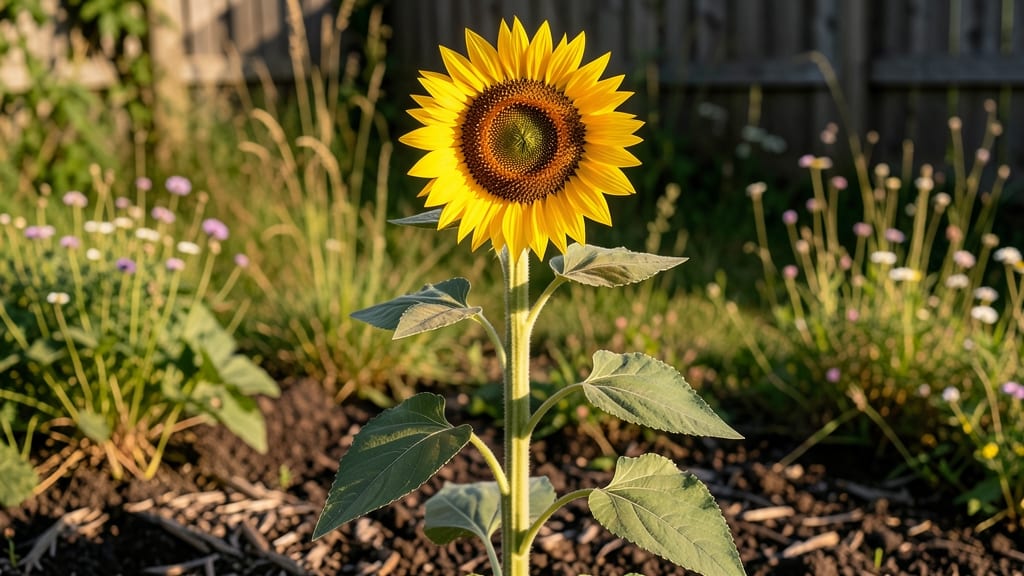
How tall do sunflower plants grow? They range from just 1 foot to towering 15 feet, depending on the variety you choose—and picking the right one can transform your garden from a modest border to a breathtaking focal point.
Picture this: a sunflower 🌻 so tall it blocks your view of the fence, or a dwarf variety that sits neatly on your patio table. That difference isn’t just about space—it’s about the entire vibe of your outdoor area.
Some varieties stretch taller than a basketball hoop, while others stay small enough to tuck into containers.
But here’s the thing: height isn’t just about looks. The variety you pick affects everything from how much space you need to plant them in to whether you’ll need to stake them for support.
A giant sunflower might dominate your backyard, while a dwarf type could be perfect for a small urban garden or even a window box.
In this guide, I’ll break down the height ranges of popular sunflower varieties, share tips for choosing the right type for your space, and reveal the 5 key factors that influence how tall (or short) your sunflowers will grow.


Sunflower height by variety: giant vs. dwarf types explained
Choosing the right sunflower variety starts with understanding their dramatic height differences. Some varieties reach towering heights of 12+ feet, while others stay compact at just 1-3 feet tall.
This variation lets you transform your garden from a whimsical patio display to a dramatic backyard centerpiece with the same plant family.
The key to selecting the perfect sunflower lies in matching its mature height to your available space and design goals. Giant varieties create stunning focal points, while dwarf types work beautifully in containers or small gardens. Let's explore how these heights compare and which varieties suit different garden styles.
🌻 Height Spectrum: Sunflowers span a remarkable range from bushy patio dwarfs to skyscraping giants that rival small trees. This diversity means you can find the perfect variety whether you have a tiny balcony or a sprawling backyard. The right choice affects not just space planning but also structural support needs and wind resistance.
| Variety Type | Mature Height | Popular Cultivars | Best For |
|---|---|---|---|
| Dwarf | 1-3 ft | 'Teddy Bear', 'Moulin Rouge', 'Little Becka' | Containers, patios, small gardens |
| Semi-Dwarf | 3-6 ft | 'Autumn Beauty', 'ProCut', 'Sunspot' | Cut flowers, borders, medium spaces |
| Standard | 6-10 ft | 'Russian Giant', 'Mammoth', 'Sunflower Giant' | Backyard focal points, cut flowers |
| Giant | 10-15 ft | 'Russian Giant', 'Colossus', 'Giant Russian' | Large gardens, dramatic statements |
My personal favorite dwarf variety, 'Teddy Bear', stays under 3 feet but produces 3-inch-wide blooms perfect for container gardens. These compact varieties thrive in 5-gallon pots and can be moved to follow the sun throughout the day. Their shorter stature also makes them more wind-resistant than their taller cousins.
For cut flower arrangements, semi-dwarf varieties like 'Autumn Beauty' offer the best compromise. Standing 4-6 feet tall, they're tall enough for vase displays but don't require the heavy-duty support needed for giants. Their branching habit produces multiple blooms per stem, maximizing your harvest.
When planning for dramatic height, giant varieties like 'Russian Giant' can reach 12-15 feet with proper care. These sunflowers need sturdy stakes or cages to prevent toppling in windy conditions. Their massive 12-inch-wide blooms make them perfect for backyard focal points or even photography backdrops.
The tallest sunflowers on record exceed 15 feet, but even standard varieties at 8-10 feet create impressive vertical interest. For these taller types, I recommend planting them along fences or trellises to provide natural support while saving space. Their deep taproots also make them more drought-tolerant once established.
Remember that height isn't the only factor—consider your garden's sun exposure and soil quality too. Even dwarf varieties need full sun (6+ hours daily) to reach their potential height. Well-draining soil prevents stem rot that can weaken taller varieties, while regular watering encourages optimal growth.
For urban gardeners, I suggest starting with dwarf or semi-dwarf varieties that work well in raised beds or containers. These space-saving options let you enjoy sunflowers even on balconies or rooftop gardens. The key is selecting a variety whose mature height matches your available growing space.
Whether you dream of sunflower skyscrapers or compact patio blooms, the right variety will transform your garden into a sunlit masterpiece. Start by measuring your space and choosing a height that fits your vision—then watch your sunflowers grow into the stars! 🌻
How sunflower height affects your garden layout and support needs
Sunflower height isn’t just about aesthetics—it completely changes how you plan your garden. A 15-foot giant needs different treatment than a 2-foot dwarf, from spacing to wind protection. I’ve learned the hard way that ignoring height can lead to crowded plants, top-heavy stems, or even ruined neighboring flowers.
Taller varieties like 'Mammoth' sunflowers (12-15 feet) create stunning focal points but require wide spacing (3-4 feet apart) and sturdy support. Meanwhile, dwarf types like 'Teddy Bear' (1-2 feet) thrive in containers and can be placed near delicate annuals without blocking sunlight.
height determines support needs. Most standard sunflowers (6-10 feet) benefit from stakes or cages to prevent flopping, especially in windy areas. But dwarf varieties often stand alone with no extra help—unless you’re growing them in heavy clay soil.Wind resistance is another height-related challenge. Sunflowers over 8 feet tall often need windbreaks or trellises in exposed areas. I’ve seen 10-foot stalks snap in 20 mph winds—always plant them near fences or walls for natural support.
Height also affects companion planting. Tall sunflowers can shade out shorter plants like marigolds or basil, while dwarfs work well with tomatoes or peppers in raised beds. Place your tallest varieties at the north side of your garden to avoid casting shadows on sun-loving neighbors.
For container gardening, stick to dwarf varieties (3 feet or less) in 10-gallon pots with drainage. Larger pots (15+ gallons) can handle semi-dwarf types (3-6 feet), but you’ll still need to secure them to stakes as they grow.
🌻