
Flowers
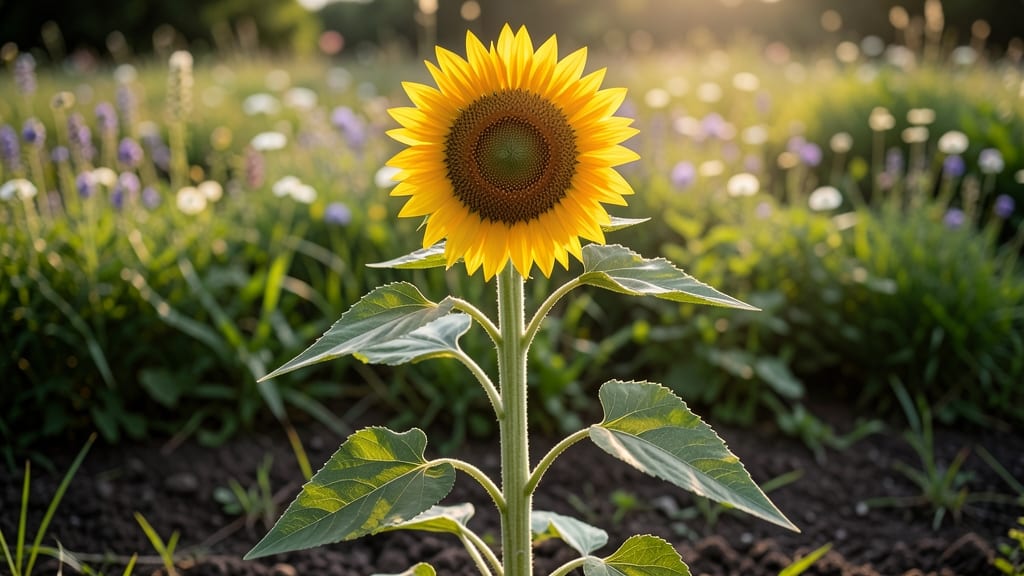
How tall sunflowers grow can truly surprise even seasoned gardeners, ranging from compact 1-foot varieties to towering 16-foot giants that steal the show in any landscape.
Imagine planting a seed in spring and watching it stretch toward the sky by summer—some varieties shoot up 3-4 feet per month under ideal conditions.
But not all sunflowers reach for the clouds; dwarf types stay manageable for containers, while standard and giant varieties need space to flex their growth potential.
What you choose to grow—and how you care for it—determines whether your sunflowers will barely clear a fence or become the tallest plants in the neighborhood.
Sunlight, soil, and watering habits play a bigger role than most gardeners realize, and a few simple adjustments can turn a 5-foot plant into a 12-foot stunner.
In this guide, I’ll break down the height ranges of popular varieties, the fastest-growing types, and the secrets to maximizing (or controlling) their height—so you can plan your sunflower display with confidence.


Sunflower height by variety: from dwarf to giant species
Sunflowers are one of the most dramatic plants in the garden, with varieties ranging from compact patio dwarfs to towering giants that can reach heights of 12 feet or more.
The height of your sunflower depends entirely on its genetic variety, but even within a single type, growing conditions like sunlight exposure and soil fertility can influence how tall it grows.
Whether you're planning a small container garden or a dramatic backyard focal point, choosing the right variety is key to achieving your vision.
From bush varieties perfect for small spaces to tall single-stemmed giants that need staking, each sunflower type has unique characteristics. Some varieties even double in height from year to year, making them a rewarding long-term investment.
Let’s explore the full spectrum of sunflower heights, including the best varieties for each category and their ideal growing conditions.
| Variety Type | Height Range | Best For | Sunlight Needs | Growth Time |
|---|---|---|---|---|
| Dwarf Varieties | 1–3 ft | Containers, borders, small gardens | Full sun (6+ hours) | 50–60 days |
| Semi-Dwarf Varieties | 3–6 ft | Cut flowers, cottage gardens | Full sun (6+ hours) | 60–75 days |
| Standard Varieties | 6–10 ft | Backyard focal points, cut flowers | Full sun (8+ hours) | 75–90 days |
| Giant Varieties | 10–16+ ft | Dramatic displays, staking required | Full sun (10+ hours) | 90–120 days |
For dwarf varieties like 'Teddy Bear' or 'Moulin Rouge', you’ll find heights under 3 feet, making them perfect for container gardening or window boxes. These compact types mature quickly—often in just 50–60 days—and thrive in well-draining soil with consistent moisture.
They’re also pest-resistant, which is a bonus for beginner gardeners.
If you’re looking for mid-sized options, semi-dwarf varieties like 'Autumn Beauty' or 'Lemon Queen' reach 3–6 feet tall. These are excellent choices for cut flower arrangements and cottage-style gardens, offering a balance between manageable height and dramatic blooms.
They typically require 6–8 hours of sunlight daily and benefit from regular deadheading to encourage continuous flowering.
For a bold statement, standard varieties like 'Russian Giant' or 'Mammoth' can soar to 8–10 feet. These sunflowers are perfect for backyard focal points and can even outgrow a basketball hoop.
They need rich, fertile soil and plenty of space—plant them at least 18 inches apart to prevent overcrowding. Staking may be necessary to support their tall, slender stems.
The giant sunflowers are the true showstoppers, with varieties like 'American Giant' or 'Mammoth Russian' reaching 12–16 feet or taller. These record-breaking giants require full sun exposure (at least 10 hours daily) and deep, nutrient-rich soil.
They also need extra support—think bamboo stakes or cages—to prevent them from toppling over in windy conditions. With proper care, these varieties can double in height from year to year.
When selecting a variety, consider not just height but also
Factors that influence sunflower height growth rates
Sunflower height isn't just about genetics—it's a mix of environmental factors and your care routine. While some varieties are genetically programmed to reach 12+ feet, others stay compact unless given the right conditions.
The fastest-growing sunflowers can add 3-4 feet per month when conditions are perfect, but neglect can leave even giant varieties stunted.
Think of your sunflowers like skyscrapers: they need a solid foundation (nutrient-rich soil), proper support (sunlight and water), and good maintenance (pruning and spacing).
I've grown both dwarf and giant varieties, and I can tell you firsthand that a few simple adjustments can turn a 5-foot plant into a 10-foot showstopper—or keep a giant variety from toppling over.
- 1 Sunlight Exposure: Sunflowers need 6-8 hours of full sun daily to reach their maximum height. Varieties like 'Mammoth' can grow 20% taller with optimal sunlight compared to shaded conditions. Even dwarf varieties like 'Teddy Bear' will grow 1-2 feet taller with proper sun exposure.
- 2 Watering Schedule: Deep watering 2-3 times per week during growth spurts can increase height by 30% or more. Overwatering or inconsistent watering causes stunted growth, while drought-stressed plants may only reach 50% of their potential height. I've seen 'Russian Giant' sunflowers grow from 10 feet to 14 feet just by adjusting my watering routine.
- 3 Soil Nutrients: Well-draining soil with balanced NPK fertilizer (10-10-10) encourages faster, taller growth. Phosphorus-deficient soil can reduce height by up to 40%, while proper fertilization can make 'Autumn Beauty' varieties grow 2 feet taller than average. I always add compost to my planting holes for an extra growth boost.
- 4 Pruning Techniques: Strategic pruning can either encourage height (by removing side buds) or control height (by pinching back tops). For maximum height, avoid pruning the main stem until after flowering. I've used staking for giant varieties to prevent lodging, which allows them to grow 1-2 feet taller than unstaked plants.
- 5 Variety Selection: Fast-growing varieties like 'Mammoth' and 'Russian Giant' can reach maturity in 80-90 days, while slower varieties like 'ProCut' take 100+ days. Choosing the right variety for your climate and growing season directly impacts final height—some varieties simply can't reach their full potential in short growing seasons.
Fast-growing sunflower varieties like 'Russian Giant' and 'Mammoth' can add 1-2 feet per week during their peak growth phase, while slower varieties like 'Teddy Bear' grow more steadily at 1-2 inches per week.
The key difference lies in their genetic growth rates and how they respond to environmental conditions. I've planted both types side by side and seen dramatic differences in their growth curves.
One common misconception is that all sunflowers grow at the same rate. In reality, dwarf varieties mature faster but stay shorter, while giant varieties take longer to reach their full height.
Understanding these growth patterns helps you plan your garden layout and timing for maximum impact. For example, planting fast-growing varieties near fences or structures ensures they'll provide quick vertical interest.
To get the most out of your sunflowers, focus on consistent care rather than occasional heroics. A steady routine of watering, fertilizing, and sunlight exposure will yield better results than sporadic efforts.
I've had years where my sunflowers barely reached 4 feet because of inconsistent watering, and other years where they topped 12 feet with proper care. The difference comes down to attention to detail and understanding how each factor interacts.
Remember that even the tallest sunflowers need proper support as they grow. Without staking or strong stems, giant varieties can easily lodge (fall over) when they reach 8-10 feet.
I always use bamboo stakes for my tallest varieties to prevent this common issue. With the right conditions and care, you can grow sunflowers that truly reach for the sky—literally!