
How To
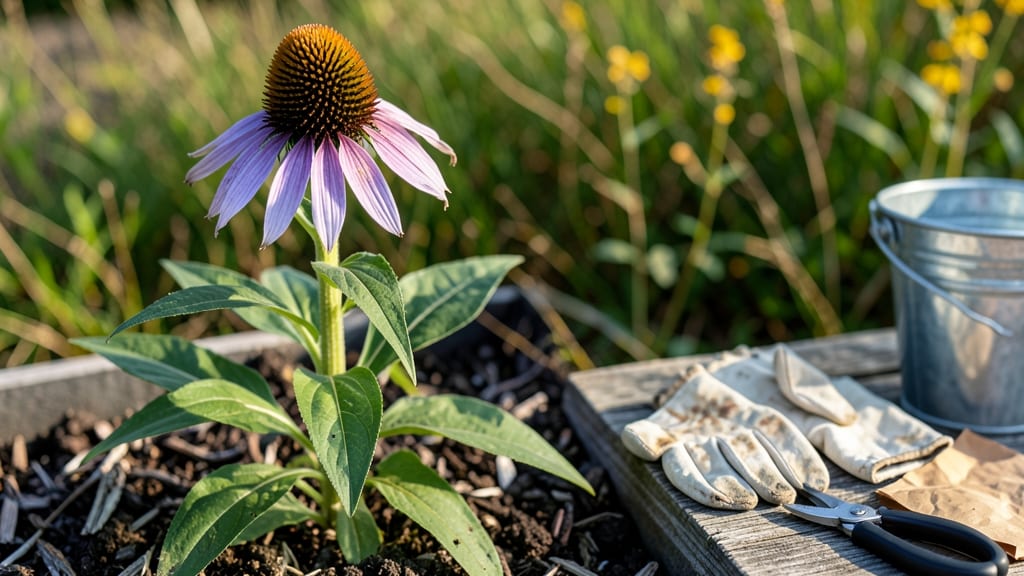
Harvesting purple coneflower seeds 🌼 is your ticket to free, homegrown plants next season—if you time it right.
Picture this: you’ve nurtured your Purple Coneflower all summer, and now the seed heads are drying. One wrong move, and you’ll lose them to birds or mold. But with the right technique, you’ll have a stash of seeds that last for years—and maybe even share with fellow gardeners.
Timing is everything. You’ll know it’s harvest season when the petals fall away and the seed heads turn a deep, papery brown. That’s when you’ll collect them before they scatter, dry them properly, and store them for planting.
Below, I’ll walk you through every step, from spotting the perfect seed head to keeping your seeds viable until next spring.
Ready to turn those dried cones into next year’s blooms? Let’s get started—no guesswork, just proven methods for a successful harvest.


When to harvest purple coneflower seeds: ideal timing for maximum yield
Harvesting purple coneflower (Echinacea purpurea) seeds at the right time ensures high-quality seeds that store well and germinate reliably. The critical window for harvesting occurs in late summer to early fall, typically between September and October in most U.S. growing zones.
Missing this window means seeds may scatter naturally or attract pests like birds and squirrels.
Look for three key signs of seed readiness: dried petals that have fallen away, brown and papery seed heads, and seeds that rattle when you gently shake the cone. If you harvest too early, seeds won’t be fully mature, while waiting too long risks seed loss or mold.
Timing also varies by climate zone, so adjust based on your local frost dates.
| Stage | Visual Cues | Harvest Time | Climate Notes |
|---|---|---|---|
| Early Maturity | Petals still partially attached, seed heads greenish-brown | Avoid harvesting | Zones 3-5: Late August |
| Ideal Harvest | Petals fully fallen, seed heads dry and brown, seeds rattle | September-October | Zones 6-9: Mid-Sept |
| Late Harvest | Seed heads brittle, seeds may scatter or mold | November (if dry) | Zones 10+: Oct-Nov |
| Post-Frost | Seed heads frozen or damaged | Harvest before frost | Zones 3-5: Early Sept |
In cooler climates (Zones 3-5), aim to harvest by late August to early September before the first frost. The seed heads should be fully brown and crispy to the touch.
If you live in warmer zones (Zones 8-10), you can wait until October or even November, but monitor for humidity risks that could cause mold.
One of the biggest mistakes gardeners make is harvesting too early. If the seed heads are still green or the petals haven’t fallen completely, the seeds won’t be viable.
Test readiness by gently squeezing a seed head—if it crushes easily and seeds spill out, it’s ready. If not, wait 1-2 weeks and check again.
Another critical factor is weather conditions. Harvest on a dry, sunny day to prevent mold growth during drying. If rain is forecasted, collect seeds indoors under a fan to speed up the process. Avoid harvesting after heavy dew, as moisture can lead to seed rot during storage.
Regional adjustments are key: In the Pacific Northwest, harvest in late September due to cooler temperatures, while in the Southeast, you might extend harvesting into early November. Always prioritize dry conditions over strict calendar dates—your seeds’ appearance should guide you more than the month.
Pro tip: Mark your calendar based on your local first frost date. Purple coneflowers need 4-6 weeks of dry weather after flowering to mature seeds properly. If frost is imminent, harvest even if seeds aren’t fully dry—you can finish drying them indoors.
If you miss the harvest window, don’t panic. Some seeds may still scatter naturally into the soil, where they can self-sow for next year. However, for the best germination rates, always aim to harvest at peak maturity. Store seeds
Step-by-step guide to harvesting and processing purple coneflower seeds
Now that you’ve spotted the perfect seed heads—those deep brown, papery cones—it’s time to act. Purple coneflowers release seeds easily, so you’ll need to work quickly to avoid losing them to birds or wind.
The key is to harvest when the seed heads rattle when shaken, but before they scatter completely. I’ll show you how to collect, dry, and process these seeds without damaging the plant or losing viability.
Start by gathering your tools: clean scissors or pruners, a paper bag or envelope, and a flat surface for drying. You’ll also want to wear gloves if you’re sensitive to plant sap.
The goal is to remove the seed heads gently but efficiently, ensuring you don’t leave any behind for pests or wildlife to claim. Once you’ve harvested, the next steps are all about preserving those seeds for planting next year.
Use clean scissors or pruners to snip the dried seed heads from the stems, leaving about 1-2 inches of stem attached. This makes handling easier and reduces moisture absorption during drying.
Gather 5-10 seed heads and tie them together with twine or a rubber band. Hang them upside down in a dry, well-ventilated area like a garage or shed. This mimics natural drying conditions and prevents mold.
Allow the seed heads to dry for 1-2 weeks until they’re completely brittle. You’ll know they’re ready when the seeds rattle loudly when shaken and the cones crumble easily. Avoid rushing this step—moisture is the enemy of seed viability.
Once dry, place a seed head over a clean paper bag or envelope and gently crush the cone with your fingers or a rolling pin. The seeds will fall out while the chaff remains behind. Repeat until all seeds are collected.
Remove any remaining debris by winnowing the seeds in a light breeze or sifting them through a fine mesh. Store the clean seeds in a paper envelope or airtight container with a desiccant packet to absorb moisture.
If you notice mold or pests during drying, act fast. Move the seed heads to a drier location immediately and consider spreading them out on a tray to air out.
Mold thrives in humidity, so good airflow is your best defense. For pest issues, like weevils, freeze the seeds for 48 hours to kill any eggs or larvae before storing.
With proper storage in a cool, dark place (like a refrigerator), your purple coneflower seeds can stay viable for 3+ years. Label your containers with the harvest date and variety to keep track.
Next spring, you’ll be ready to sow these seeds directly in the garden or start them indoors for a head start.
Now that your seeds are safely stored, you’re one step closer to a self-sustaining garden full of purple coneflowers. Happy harvesting! 🌼