
How To
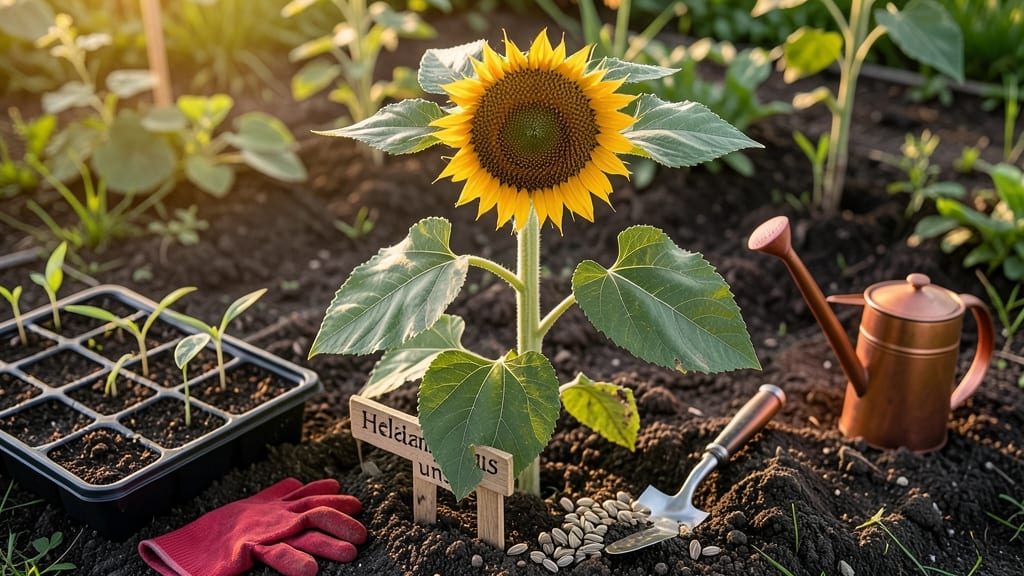
Planting sunflower seeds the right way means fast germination and sturdy stems that reach for the sky 🌻 — not leggy, weak plants that flop over before they bloom.
You’ve probably seen those towering 10-foot giants in fields or cut-flower arrangements, but sunflowers don’t grow that way from bad starts. The secret? Depth, spacing, and timing. Miss any of those, and you’ll spend weeks waiting for sprouts—or worse, watch your seedlings collapse under their own weight.
Here’s what you need to know: the ideal planting depth, how far apart to space them for airflow, and when to water without drowning the seeds.
I’ll walk you through the exact steps to get your sunflowers off to a strong start, whether you’re growing dwarf varieties for containers or giant types for a backyard focal point.
No guesswork, no wasted seeds—just a foolproof method to turn your patch of soil into a sunflower jungle by summer. Let’s get those seeds in the ground the right way.

Optimal sunflower seed planting depth and spacing for maximum germination
Sunflower seeds are surprisingly delicate when it comes to planting depth and spacing. Plant them too shallow, and they’ll dry out before sprouting. Too deep, and they may rot or struggle to reach the surface.
The ideal planting depth for sunflower seeds is 0.5–1.5 inches, depending on soil type and moisture levels. This range ensures consistent moisture while allowing young sprouts to break through effortlessly. For most gardeners, 1 inch deep strikes the perfect balance.
Equally important is spacing between seeds. Crowding leads to weak stems, poor air circulation, and increased disease risk. Dwarf varieties need 12–18 inches apart, while standard and giant sunflowers thrive with 18–24 inches of space.
This spacing prevents competition for nutrients and sunlight, resulting in stronger, taller plants. If you’re growing sunflowers for cut flowers or seed harvest, wider spacing is always better.
Soil temperature plays a crucial role in germination speed. Sunflower seeds germinate best when soil reaches 70–90°F (21–32°C). In cooler climates, wait until the soil warms up—typically after the last frost date—to plant.
Using a soil thermometer can help you time your planting perfectly. If your soil is still cold, consider using black plastic mulch to absorb heat and speed up germination.
Moisture is another critical factor. Sunflower seeds need consistent moisture to germinate, but they’ll rot if overwatered. After planting, water gently to settle the soil, then maintain 1 inch of moisture per week until germination occurs.
A drip irrigation system or soaker hose works best to keep seeds evenly moist without disturbing them.
| Sunflower Type | Planting Depth | Spacing (Apart) | Germination Time | Best For |
|---|---|---|---|---|
| Dwarf Varieties (e.g., 'Teddy Bear', 'Moulin Rouge') | 0.5–1 inch | 12–18 inches | 3–7 days | Containers, borders, cut flowers |
| Standard Varieties (e.g., 'Mammoth', 'Autumn Beauty') | 1–1.5 inches | 18–24 inches | 5–10 days | Backyard gardens, seed harvest |
| Giant Varieties (e.g., 'Russian Giant', 'Mammoth') | 1–1.5 inches | 24–36 inches | 7–14 days | Large gardens, statement plants |
If you’re planting sunflowers in containers or small spaces, opt for dwarf varieties and reduce spacing to 10–12 inches apart. Containers should be at least 12 inches deep to accommodate the taproot.
For giant varieties, ensure your soil is loose and well-draining to prevent root binding, which can stunt growth. If your soil is heavy clay, amend it with compost or sand before planting.
One common mistake is planting sunflower seeds too early in the season. If soil temperatures are below 50°F (10°C), germination will be slow or nonexistent. Use a seedling heat mat if you’re starting seeds indoors to maintain optimal temperatures.
Alternatively, wait until your region’s average last frost date has passed and soil has warmed naturally. Patience here pays off with faster, healthier growth.
After planting, avoid disturbing the soil around seeds. Sunflower seedlings have delicate cotyledons that can be damaged by wind or foot traffic. If birds are a problem in your area, consider using bird netting or planting seeds in a protected microclimate.
Once seedlings emerge, thin them to the recommended spacing to give each plant room to grow. This step is crucial for preventing disease and ensuring strong stems.
For fastest germination, pre-soak sunflower seeds in water for 4–6 hours before planting. This hydrates the seed coat and triggers quicker sprouting, especially in dry climates. After planting, keep the soil consistently moist but not waterlogged.
A light layer of mulch (like straw or shredded leaves) helps retain moisture and regulate soil temperature, creating ideal conditions for germination.
Remember, sunflowers are hardy annuals that thrive with minimal intervention once planted correctly. By following these depth and spacing guidelines, you’ll set your sunflowers up for success—whether you’re growing them for their vibrant blooms, edible seeds, or simply to add height and drama to your garden.
With the right approach, you’ll see those familiar green shoots breaking through the soil in as little as 3–7 days!
Step-by-step sunflower planting process: from soil prep to seed covering
Sunflowers thrive when planted in the right conditions, but even the hardiest varieties need proper soil prep and placement. Start by selecting a sun-drenched spot with 6+ hours of direct sunlight daily—this ensures strong stems and vibrant blooms.
Avoid shady areas, as they lead to weak, leggy growth and poor germination rates. My garden’s sunniest patch, near the south-facing fence, became the perfect home for my Mammoth Sunflower seeds.
Before planting, test your soil’s pH level—sunflowers prefer a 6.0–7.5 range. If your soil is too acidic, mix in lime (1–2 pounds per 100 sq. ft.).
Loosen the top 12 inches of soil with a garden fork to improve drainage, then work in 2–3 inches of compost for nutrients. This step is critical: compacted soil traps moisture, causing seed rot before sprouts even appear.
Now for the seeds! Sunflower seeds are large and easy to handle, but precision matters. Plant them at the right depth and spacing to avoid overcrowding. Here’s how to do it perfectly:
How to Plant Sunflower Seeds
- Step 1: Dig holes 1 inch deep and 6 inches apart for dwarf varieties or 12–24 inches apart for tall types. Use a trowel for neat, even spacing.
- Step 2: Place 1–2 seeds per hole, pointy end up, to ensure proper orientation. Sunflowers won’t tolerate transplanting, so direct sowing is best.
- Step 3: Cover seeds with 1 inch of soil, then gently pat the surface to secure them. Avoid pressing too hard—this can smother seedlings as they push through.
- Step 4: Water lightly to settle the soil, then add 1–2 inches of mulch (straw or shredded leaves) to retain moisture and suppress weeds. Keep mulch 2 inches away from stems to prevent rot.
- Step 5: Monitor soil moisture—keep it consistently damp (not soggy) until germination, which takes 7–14 days in warm soil (70°F+). Thin seedlings to 1 per hole once they’re 3–4 inches tall, using scissors to avoid disturbing roots.
After planting, resist the urge to overwater. Sunflowers are drought-tolerant once established, but young seedlings need 1 inch of water per week. Water at the base of plants in the morning to reduce fungal risks.
I’ve learned the hard way—watering at night can lead to powdery mildew on leaves, especially in humid climates.
Watch for common pitfalls like bird theft or squirrel digging. Protect seeds with chicken wire cages until sprouts emerge. Once seedlings reach 1 foot tall, fertilize lightly with a balanced 10-10-10 mix to support rapid growth. Avoid heavy fertilizers—they can overstimulate foliage at the expense of flower production.
With these steps, your sunflowers will grow straight and sturdy, reaching their full height in just 8–12 weeks. The key is patience and precision—skip shortcuts, and you’ll reward yourself with showstopping blooms by summer’s end. Happy planting! 🌻