
How To
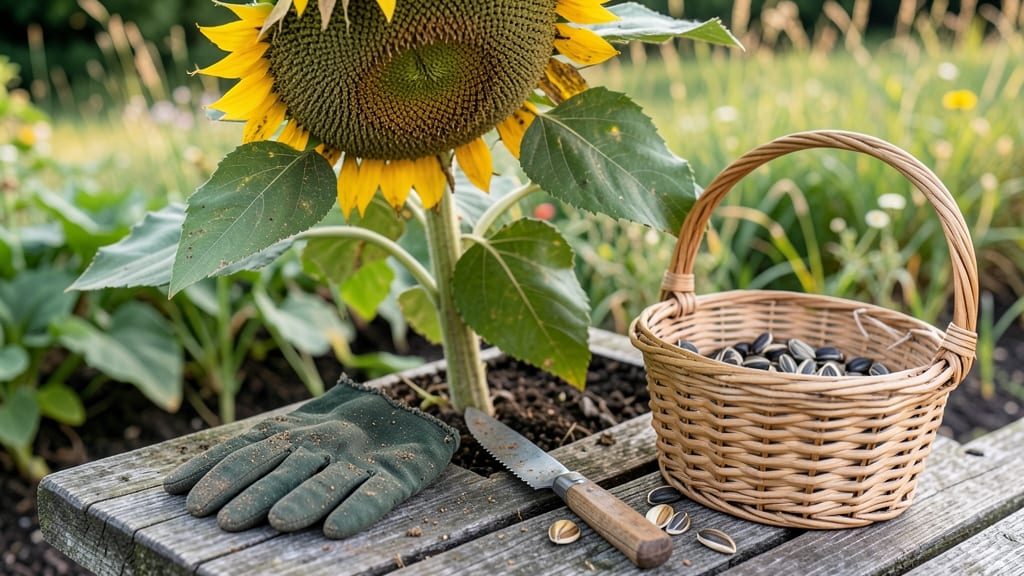
Telling when sunflower seeds are ready to harvest comes down to three simple cues: the back of the head turns yellow-brown, the petals wilt completely, and the seeds rattle when you shake the stem.
Picture this: you’ve spent months nurturing your 🌻 sunflowers, and now the moment of truth arrives. Harvest too soon, and you’ll end up with bitter, underdeveloped seeds.
Wait too long, and birds or frost will steal your crop. The solution? A foolproof back-of-hand test that guarantees perfect ripeness every time.
Most gardeners miss the window because they focus on the wrong signals—like seed color alone. But the real clues are hidden in the flower head’s texture and the seeds’ firmness. Once you know what to look for, you’ll never second-guess harvest time again.
Below, I’ll walk you through the exact steps: how to check for dryness, when to press-test the seeds, and how to time your harvest to avoid frost. By the end, you’ll be pulling seeds straight from the head with confidence—and maybe even sharing extras with neighbors.


The back-of-hand test: sunflower seed ripeness explained step-by-step
Sunflowers are one of nature's most rewarding crops—when you harvest their seeds at the perfect moment, you're rewarded with crunchy, flavorful snacks packed with nutrients. But timing is everything. Harvest too early, and you'll get bitter, underdeveloped seeds.
Wait too long, and birds or frost will ruin your crop. The solution? A simple, foolproof back-of-hand test that combines visual cues with tactile feedback to confirm ripeness.
This method has been used by gardeners for decades because it's instant, reliable, and requires no special tools. By the end of this guide, you'll know exactly when to harvest—down to the day—and how to avoid common mistakes that waste your hard work.
Let's dive into the science behind the test and how to apply it in your garden.
How to Use the Back-of-Hand Test for Sunflower Seed Ripeness
- 1. Check the flower head color: Look for a yellow-brown back on the seed head (the center disk). Avoid harvesting if it's still green or white.
- 2. Test petal dryness: Gently pull back the dried petals. If they crumble easily, the seeds are ready. Upright petals mean more time is needed.
- 3. Perform the back-of-hand test: Use your fingertips to press lightly on the seed head. If it feels dry and papery (like crumpled paper), it's ready. If it resists or feels firm, wait 2–3 days.
- 4. Shake test for seed maturity: Gently shake the head. If seeds rattle inside, they’re fully developed. No sound? Wait another week.
- 5. Check stem resistance: Twist the stem near the base. If it snaps cleanly (not bends), the seeds are ready. A bendable stem means they need more time.
Pro tip: Combine these tests with the 70–80 day rule. Most sunflower varieties take about 80 days to maturity, but this varies by type.
Dwarf varieties may mature in 60 days, while giant varieties can take 120 days. Always check the seed packet for your specific variety’s timeline.
Visual cues are your first line of defense. The back of the seed head should transition from green to a dull yellow-brown. The petals will also wilt and turn brown, often curling inward.
These changes signal that photosynthesis has shifted from the petals to the seeds, meaning they’re storing energy for you.
Don’t rely solely on visuals, though. The back-of-hand test is where the magic happens. When you press your fingertips against the seed head, it should feel light and brittle, almost like a dried leaf.
If it feels firm or spongy, the seeds aren’t ready yet. This tactile check ensures you’re not fooled by a head that looks dry but isn’t fully mature.
Timing is critical, especially if you’re in a region with early frosts. Sunflowers can tolerate light frosts, but a hard freeze will kill the plant and ruin your seeds. Harvest before the first frost date in your area—typically mid-October in most zones.
If frost is imminent, harvest even if the seeds aren’t perfectly dry; you can finish drying them indoors.
Once you’ve confirmed ripeness, harvest on a dry, sunny day to prevent mold. Cut the entire head with 2–3 feet of stem attached and hang it upside down in a well-ventilated, dry place (like a garage or shed).
This allows the seeds to fully dry and detach from the head over 1–2 weeks. Avoid harvesting on rainy days, as moisture can cause rot.
After drying, rub the seed head between your hands to remove the seeds. Discard any that are shriveled or discolored. Store the good seeds in an airtight container in a cool, dark place for up to 6 months.
Now you’re ready to roast, eat raw, or save for next year’s garden!
Sunflower seed harvesting timeline: days to maturity and key stages
Sunflowers follow a predictable growth timeline, typically reaching maturity between 60 to 100 days after planting, depending on the variety. Understanding these key stages helps you track progress and spot the ideal harvest window before birds or frost ruin your crop.
Most varieties like Mammoth or Autumn Beauty take about 80 days to reach peak seed ripeness.
The journey begins with the budding stage, when the flower head emerges as a tight green bud. This stage lasts about 10-14 days before the petals open fully. Next comes flowering, where the vibrant petals attract pollinators and mark the start of seed development.
This phase is critical—if you miss it, you’ll miss the harvest window entirely.
Here’s the most important part: the seed development stage, which spans 30-40 days and is where the back-of-hand test comes into play. During this time, the flower head transitions from green to yellow-brown, and the seeds inside firm up.
This is your cue to start monitoring daily for the perfect harvest moment.
| Growth Stage | Days After Planting | Key Visual Cues | Action Required |
|---|---|---|---|
| Budding | 10-14 days | Green bud forms | Monitor for petal opening |
| Flowering | 20-30 days | Petals fully open | Support pollinators |
| Seed Development | 30-40 days | Back turns yellow-brown | Test seed firmness |
| Harvest Ready | 60-100 days | Petals wilt, seeds rattle | Harvest immediately |
Timing is everything when it comes to harvesting. If you wait too long, birds will strip the seeds, and frost can damage the heads. In my experience, the ideal harvest window is when the back of the flower head turns a dull yellow-brown and the petals wilt completely.
This usually happens in late summer to early fall, depending on your climate.
Pro tip: Check your local first frost date—most sunflowers need at least 2-3 weeks before frost to fully mature. If frost is approaching, harvest early and dry the seeds indoors. This ensures you don’t lose your entire crop to cold weather.
Once you’ve mastered these stages, you’ll never second-guess harvest time again. The key is patience—wait for the back-of-hand test to confirm ripeness, and you’ll enjoy a bountiful harvest of crunchy, nutritious seeds all season long. 🌻