
Flowers
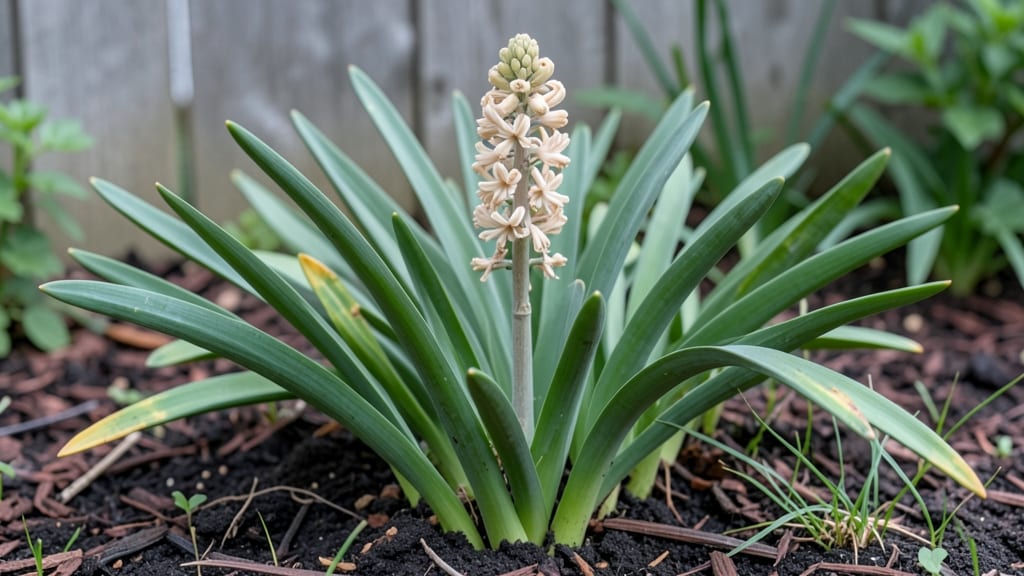
After your hyacinth 🌷 finishes flowering, the right steps keep those sweet fragrances coming back next spring—or risk weak blooms and wasted effort.
Those fragrant hyacinth blooms may fade, but your gardening work isn’t done—what you do after flowering determines whether you’ll enjoy next year’s vibrant display or struggle with weak growth.
Skipping deadheading or overwatering can starve the bulb, while cutting back foliage too soon robs it of energy for storage. The key is balancing care with patience: let the leaves yellow naturally, then adjust water and nutrients just right.
Here’s exactly what to do—from fertilizing to storage tips—to ensure your hyacinths return stronger than ever, with bold blooms and fewer pests.
Post-bloom care: step-by-step Guide to saving hyacinth bulbs
When your hyacinth blooms fade, it’s tempting to cut everything back immediately—but that’s a mistake. The foliage actually fuels next year’s flowers! Proper post-bloom care ensures your bulbs store energy for vibrant returns. Let’s break down the critical steps to keep your hyacinths thriving after their spring show.
First, resist the urge to prune the dying foliage too soon. The leaves need 6-8 weeks to yellow naturally, absorbing sunlight to replenish the bulb. Skipping this step weakens next year’s blooms.
Meanwhile, adjust your watering schedule—hyacinths need less moisture once flowering ends, but the soil should stay slightly moist, not soggy.
Step-by-Step Guide to Saving Hyacinth Bulbs:
Deadhead Spent Blooms
Snip off wilted flower stalks just above the lowest leaf with clean pruners. Avoid cutting the foliage—let it photosynthesize until fully yellow.
Reduce Watering Gradually
Shift from weekly deep watering to every 10-14 days. Overwatering now risks bulb rot, while underwatering stresses the plant.
Fertilize Lightly
Apply a balanced fertilizer (5-10-10) at half strength 2 weeks after deadheading. Focus on phosphorus to boost root growth.
Monitor for Pests
Check for aphids or bulb mites. Spray with neem oil if you spot tiny webs or sticky residue on leaves.
Wait for Foliage to Die Back
Leave yellowed leaves until they collapse naturally. This process, called vernalization, ensures the bulb stores enough energy for next spring.
Plan for Digging (If Needed)
In USDA Zone 6a, dig up bulbs 6-8 weeks after flowering if your winters are harsh. Let them dry in a shady, well-ventilated spot for 2 weeks before storing.
After the foliage dies back, you’ll notice the bulb’s health determines next year’s performance. Healthy bulbs produce sturdy stems and abundant blooms, while stressed ones may yield sparse flowers. Look for firm, plump bulbs—shriveled or soft ones signal poor storage conditions or disease.
For container-grown hyacinths, reduce watering to every 5-7 days once blooms fade. Empty saucers immediately after watering to prevent root rot. In-ground plants benefit from a 2-inch layer of mulch to retain moisture and regulate soil temperature.
If you’re forcing hyacinths indoors for early blooms, replant them outdoors after flowering to restore their natural cycle. Choose a sunny, well-draining spot with partial shade in hot climates. Avoid rich soil—hyacinths thrive in average garden soil with minimal fertilizer.
Finally, mark your calendar for fall replanting (September–November in most zones). Plant bulbs 6 inches deep and 6 inches apart to give roots room to establish before winter. This timing ensures they’re ready to bloom again next spring.
With these steps, your hyacinths will reward you with fragrant, vibrant blooms year after year. The key is patience—letting nature’s cycle run its course pays off in stunning displays.
Hyacinth bulb storage: best practices for winter dormancy
After your hyacinths finish flowering, the real work begins—proper bulb storage ensures vibrant blooms next spring. Once the foliage yellows and flowers fade, resist the urge to cut everything back.
The leaves must photosynthesize for 6-8 weeks to replenish the bulb's energy reserves. This is critical for next year's growth, so patience is key during this phase.
Timing is everything when it comes to digging hyacinth bulbs. Aim to lift them 6-8 weeks after flowering, typically in late June or early July.
If you dig too early, the bulbs won't have stored enough nutrients, and if you wait too long, they may sprout or rot in storage. Always use a fork or trowel to carefully excavate bulbs without damaging their papery skins.
Indoor vs. Outdoor Storage for Hyacinth Bulbs
- Pros: Full control over humidity and temperature
- Pros: Protection from pests and rodents
- Pros: Ideal for small gardens or urban areas
- Pros: Natural temperature fluctuations mimic outdoor conditions
- Pros: Less risk of overheating in summer
- Cons: Requires consistent monitoring of conditions
- Cons: Risk of mold if humidity is too high
- Cons: Vulnerable to pests and weather
- Cons: Limited to dry climates only
Best Choice: Indoor storage in a cool, dry location (50-60°F) with good airflow 🌿
Once lifted, clean the bulbs gently with a soft brush to remove excess soil, but avoid washing them. Let them dry thoroughly in a shady, well-ventilated area for 1-2 weeks.
This step is crucial to prevent rot during storage. Store bulbs in paper bags or mesh containers rather than plastic, which traps moisture and encourages mold growth.
For indoor storage, place bulbs in a cool, dark location with temperatures between 50-60°F and 50-60% humidity. A basement, garage, or even a refrigerator crisper drawer works well. Avoid storing them near apples or potatoes, as these release ethylene gas, which can cause premature sprouting.
If you choose outdoor storage, bury bulbs in a dry, sandy bed or place them in well-ventilated containers under a covered porch. This method works best in dry climates like USDA Zones 7-9, where freezing temperatures aren't a concern.
Always label your bulbs with variety names and the year planted to keep track of them.
Common mistakes like storing bulbs too wet, exposing them to freezing temperatures, or using plastic containers can lead to rot or poor regrowth. By following these best practices, your hyacinths will store beautifully until replanting time in fall, ready to bloom again next spring. 🌱