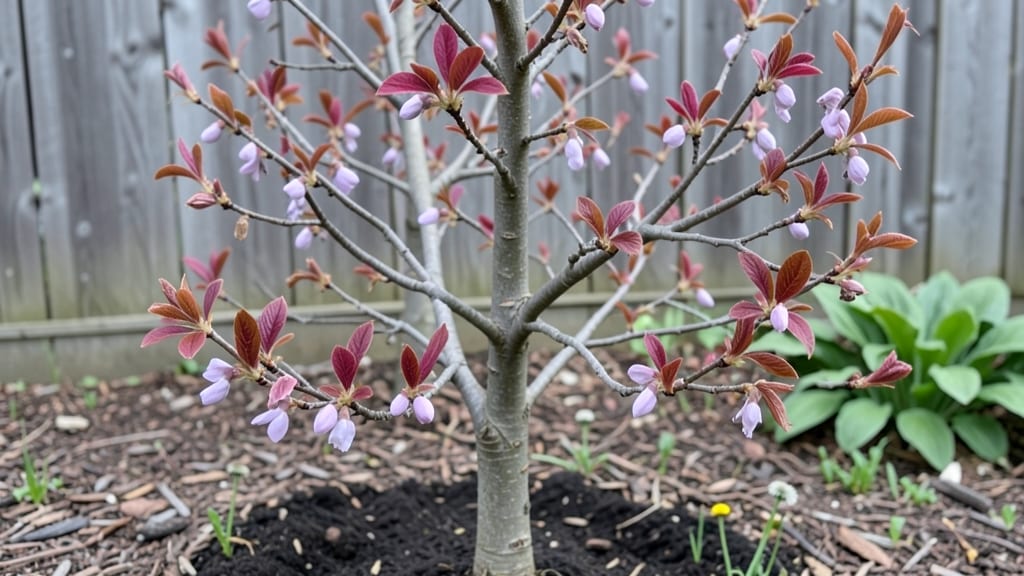
To identify flowering trees with confidence, focus on three key clues: leaf shape, bloom time, and bark texture—each one a puzzle piece that unlocks the mystery 🌸.
Struggling to tell a magnolia from a cherry blossom? You’re not alone. Even seasoned gardeners mix up these beauties, but the secret lies in the details: a magnolia’s glossy, waxy leaves vs. a cherry’s serrated edges, or how dogwoods bloom before leaves appear while crabapples wait until summer.
This isn’t just about naming names—it’s about understanding why your tree looks the way it does. A single misstep (like confusing a Bradford pear’s flat clusters for a hawthorn’s pom-poms) can lead to years of wrong care. But with the right cheat sheet, you’ll spot the differences in minutes.
Here’s how to decode your tree’s story: leaf patterns that reveal its family, bloom seasons that predict your yard’s spring parade, and bark textures that whisper its age. By the end, you’ll not only know the name but also how to keep it thriving.
How to identify flowering trees by leaf shape & color
Identifying flowering trees starts with understanding their leaf shapes and color patterns. Unlike fruit trees, flowering trees rely on their foliage for year-round identification—even when they’re not in bloom.
For example, a cherry blossom has smooth, oval leaves, while a dogwood features broad, slightly curved edges. These subtle differences can reveal the tree’s identity before a single flower appears.
Seasonal changes also play a role. Some trees, like magnolias, keep their leaves year-round, while others, such as crabapples, shed theirs in fall. Pay attention to leaf arrangement—whether they grow alternately or in clusters—and the edges, which can be serrated, lobed, or smooth.
These clues narrow down your options dramatically.
Below, I’ve broken down the most common flowering tree leaf types into an easy comparison table. Use it to match your tree’s foliage to the right species, even if it’s not blooming yet.
Tree Type
Leaf Shape
Leaf Arrangement
Leaf Edge
Color (Summer)
Key Feature
Cherry Blossom
Simple, oval
Alternate
Smooth
Dark green
Pale bark when young
Dogwood
Simple, broad
Opposite
Slightly curved
Medium green
Red berries in fall
Magnolia
Simple, leathery
Alternate
Entire (smooth)
Dark green (evergreen)
Large, fragrant flowers
Crabapple
Simple, serrated
Alternate
Toothed
Bright green
Small apples in fall
Bradford Pear
Compound, 3-7 leaflets
Alternate
Serrated
Light green
Thorny branches
Japanese Maple
Simple, lobed
Alternate
Serrated
Reddish-green
Best flowering trees to plant by bloom time & season
Timing your flowering tree planting by seasonal bloom cycles ensures year-round color and attracts pollinators. Spring bloomers like cherry blossoms burst into life when days lengthen, while fall favorites such as red maples put on a fiery show before winter.
Each season offers unique maintenance requirements and regional suitability—let’s match the right tree to your garden’s rhythm.
For spring bloomers, prioritize trees that thrive in cooler temperatures and moist soil. Summer-flowering varieties need heat tolerance and frequent watering, while fall bloomers often prefer well-draining soil to handle autumn rains. Below, I’ve organized top picks by season, complete with care tips to keep them thriving.
Season
Flowering Tree
Bloom Time
Maintenance Tips
Regional Suitability
Spring
Cherry Blossom (Prunus serrulata)
March–April
Prune after blooming; full sun and acidic soil
USDA Zones 5–8
Spring
Magnolia (Magnolia grandiflora)
April–May
Mulch annually; partial shade in hot climates
USDA Zones 6–10
Summer
Crape Myrtle (Lagerstroemia)
June–August
Drought-tolerant; prune in late winter
USDA Zones 7–9
Summer
Catalpa (Catalpa speciosa)
June–July
Tolerates poor soil; remove dead branches
USDA Zones 4–9
Fall
Red Maple (Acer rubrum)
September–October
Water deeply in drought; tolerates wet soil
USDA Zones 3–9
Fall
Japanese Maple (Acer palmatum)
October–November
Keep soil moist; avoid heavy pruning
USDA Zones 5–8
Spring-blooming trees like cherry blossoms and magnolias are perfect for early-season color but often require regular pruning to maintain shape. In summer, drought-resistant options like crape myrtles shine with minimal watering needs.
For fall interest, red maples and Japanese maples offer stunning foliage transitions, but they need consistent moisture to handle seasonal stress.
When selecting a tree, consider your hardiness zone and local climate. For example, crape myrtles thrive in hot, humid regions (Zones 7–9), while red maples adapt to cooler areas (Zones 3–9). Always check soil pH—acidic conditions suit azaleas and rhododendrons, while alkaline soil works for crape myrtles.
Pro tip: Plant spring bloomers in early fall for root establishment before winter, and fall bloomers in late spring to avoid heat stress. Mulch annually to retain moisture and regulate soil temperature—critical for young trees.
Need a year-round display? Layer trees with staggered bloom times, like pairing a spring cherry with a summer catalpa and a fall maple. This creates a dynamic garden that changes with the seasons.