
Trees
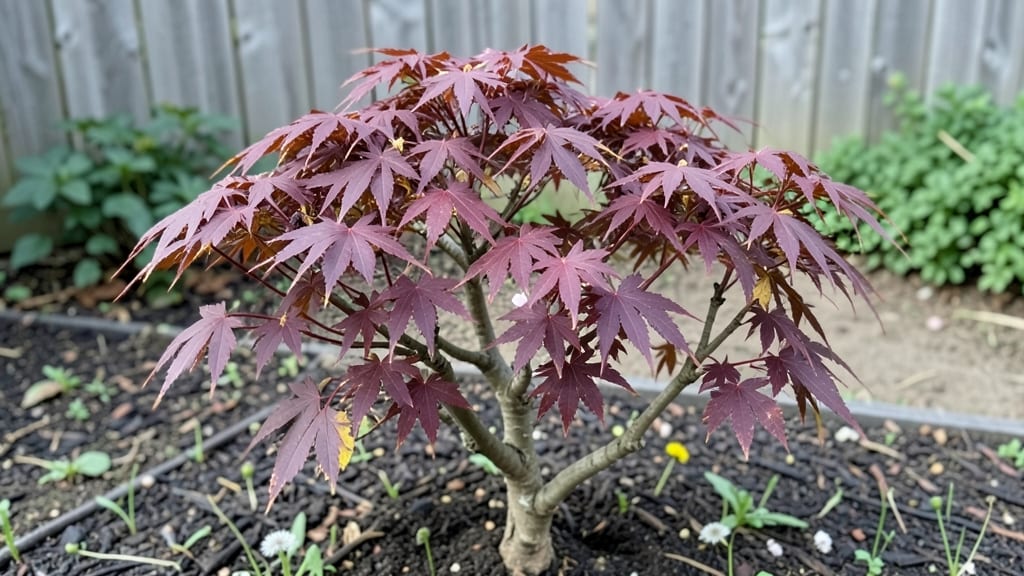
Growing a vibrant Japanese flowering maple 🌸 means knowing exactly when and how to prune for those showstopping seasonal colors.
Your Japanese flowering maple could be losing its stunning seasonal colors—and it’s not too late to fix it with the right pruning techniques. Discover how strategic trimming transforms these trees into year-round masterpieces while preserving their delicate beauty.
This isn’t just about cutting branches—it’s about understanding the timing and techniques that make all the difference. Whether you’re dealing with leggy growth or faded foliage, the right approach can turn a struggling tree into a showcase for your garden.
In this guide, I’ll walk you through the secrets to pruning your Japanese flowering maple for year-round color, from the best tools to use to the exact moments to make your cuts.
When and how to prune Japanese flowering maples for optimal color
Your Japanese flowering maple (Acer palmatum) deserves the spotlight year-round, but without proper pruning, its vibrant foliage and seasonal blooms can fade into dullness. The key lies in understanding timing and techniques that enhance its natural beauty while encouraging healthy growth.
Unlike many trees, these maples respond best to light, strategic cuts rather than aggressive pruning—think of it as sculpting rather than hacking.
Most gardeners make the mistake of pruning at the wrong time, often cutting back in late winter when the tree is still dormant or waiting until summer when it’s already stressed. The truth? The best time is actually late winter to early spring, just before new growth begins.
This timing allows you to shape the tree while it’s still vulnerable but not yet actively growing. For fall color enhancement, a second round of selective pruning in late summer can make all the difference.
Here’s the game-changer: the "lifting" method. This technique involves raising the canopy by pruning lower branches to create an open, upward growth pattern. It’s perfect for showcasing the delicate foliage and fall colors while improving airflow.
When done correctly, this method can transform a dense, tangled mess into a show-stopping focal point that draws eyes upward—just like a Japanese garden painting brought to life.
| Task | Timing | Purpose | Key Notes |
|---|---|---|---|
| Late Winter Pruning | February - Early March | Remove dead/diseased branches | Use sterilized tools to prevent disease spread. |
| Spring Pruning (Lifting) | March - April | Raise canopy for upward growth | Cut 1/3 of lower branches to open center. |
| Summer Thinning | June - July | Improve airflow, reduce density | Remove crossing branches only; avoid heavy cuts. |
| Fall Color Pruning | Late August - September | Enhance autumn foliage | Focus on selective branch removal to highlight vibrant leaves. |
| Winter Inspection | December - January | Plan next year’s cuts | Mark branches to remove in late winter. |
Let’s start with the late winter pruning, which is all about cleanup and preparation. This is your chance to remove any dead, diseased, or crossing branches that could hinder growth or attract pests. Use sharp, sterilized pruning shears to make clean cuts just outside the branch collar.
Avoid cutting into the main trunk—this can leave unsightly wounds that take years to heal. Think of this step as giving your tree a fresh start before the growing season kicks in.
Now, here’s where the magic happens: spring pruning with the lifting method. This technique is what separates a basic pruning job from a showcase-worthy tree. Begin by identifying the lowest branches that are no longer contributing to the tree’s structure or aesthetics.
Using your pruning shears, make a 45-degree cut just above a bud or lateral branch. The goal is to raise the canopy by about one-third, creating an open, airy silhouette that highlights the foliage and flowers.
For summer pruning, shift your focus to thinning out the tree rather than heavy cutting. This is the time to remove any weak or crowded branches that are competing for sunlight and nutrients.
Avoid pruning more than 20-25% of the foliage at once, as this can stress the tree and reduce its ability to produce vibrant fall colors. Instead, think of this as a light edit to keep the tree looking its best throughout the season.
Don’t overlook the fall color enhancement step, which is often skipped but makes a world of difference. In late August or September, take a closer look at your tree and identify branches that are blocking sunlight from reaching the inner foliage.
By selectively removing these branches, you’ll encourage the remaining leaves to produce even more intense reds, oranges, and purples as they prepare for winter. This is your last chance to boost autumn beauty before the cold sets in.
Finally, don’t forget the winter inspection. Even though your tree is dormant, this is the perfect time to plan next year’s pruning. Walk around your tree and take note of any branches that need removal, or areas where the canopy could be lifted higher. You can
Common pruning mistakes that ruin Japanese maple colors (and how to avoid them)
Your Japanese flowering maple (Acer palmatum) might be losing its vibrant colors because of common pruning mistakes. Many gardeners accidentally damage the tree’s delicate structure, leading to faded foliage and weak growth.
The key is understanding when and how to prune without stripping its natural beauty. Let’s explore the most frequent errors and how to correct them.
One of the biggest mistakes is pruning at the wrong time. Cutting back in late summer or fall can shock the tree, reducing its ability to produce bright spring blooms and fall foliage.
Japanese maples are also sensitive to aggressive cuts, which can expose the trunk to sunburn and weaken the tree’s structure. Even well-intentioned pruning can backfire if done incorrectly.
⚠️ Warning: Avoid These Critical Mistakes!
- Over-pruning – Removing more than 25% of foliage at once can stress the tree, causing color loss and weak growth. Japanese maples thrive on light pruning for shape, not heavy cuts.
- Wrong timing – Pruning after June 15th risks reducing next year’s flowering and fall color. Always prune in late winter or early spring.
- Improper cuts – Using shears instead of pruning saws for thick branches can tear bark, inviting disease. Always cut just above a bud at a 45-degree angle.
Another common error is pruning for "neatness" instead of health. Many gardeners trim to create a perfectly round shape, but this can disrupt the tree’s natural growth pattern.
Japanese maples grow in layered branches, and removing too many branches from the bottom can create a bare trunk. Instead, focus on thinning out crowded branches to improve airflow and light penetration.
If your maple shows signs of weak growth or pale leaves, it might be suffering from candling—a condition caused by over-pruning or improper cuts. To fix this, reduce pruning intensity and focus on stimulating new growth by applying a balanced fertilizer in early spring.
Avoid heavy pruning for at least one full growing season to allow the tree to recover.
For dwarf varieties, like 'Bloodgood' or 'Emperor I', even small cuts can have a big impact. These trees rely on delicate branches for their stunning colors, so always use sharp, clean tools to avoid damaging the bark.
If you accidentally make a large cut, seal it with pruning sealant to prevent disease.
Finally, never ignore dead or diseased branches. While it’s tempting to wait, removing them promptly prevents the spread of fungal infections or insect infestations, which can further dull the tree’s colors. Always prune just outside the branch collar to promote quick healing and maintain the tree’s natural shape.