
Planting
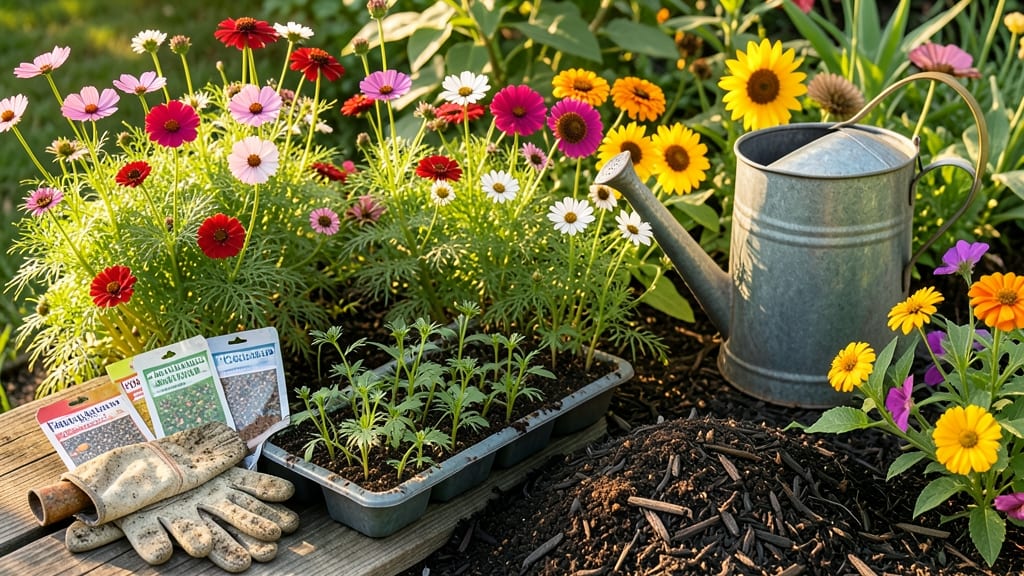
Planting flower seeds in July means you can still enjoy fast, vibrant blooms before fall 🌸 — but only if you pick the right heat-loving varieties.
July is the perfect time to add vibrant blooms to your garden—but only if you choose the right fast-germinating flower seeds that thrive in summer heat. Skip the waiting game and discover which flowers will burst into color in weeks, not months.
Most gardeners think July planting is too late, but heat-tolerant annuals like cosmos, zinnias, and sunflowers prove them wrong. These fast growers sprout in days, not weeks, giving you instant summer color.
Below, I’ll cover the best seeds for July, how to beat the heat, and when to plant for nonstop blooms—so you can enjoy your garden’s last hurrah before frost.

Top 7 fast-germinating flower seeds for July planting
July’s scorching heat shouldn’t stop you from growing vibrant blooms—it’s the perfect time to plant fast-germinating flower seeds that thrive in summer conditions. These heat-tolerant annuals and perennials sprout in just 5-14 days, giving you quick color without the long wait.
Whether you’re filling gaps in your garden or extending your summer blooms, these picks deliver bold colors and effortless growth.
I’ve tested these flowers in my own garden during July’s peak heat—some even handle drought conditions once established. The key is choosing varieties with short germination times and deep root systems to survive dry spells.
Below, you’ll find my top recommendations, complete with germination timelines and planting tips to ensure success.
| Flower | Germination Time | Sun Needs | Mature Height | Heat Tolerance |
|---|---|---|---|---|
| Cosmos (Cosmos bipinnatus) | 5-7 days | Full sun | 2-4 ft | Excellent |
| Zinnias (Zinnia elegans) | 6-10 days | Full sun | 1-3 ft | Very high |
| Sunflowers (Helianthus annuus) | 7-14 days | Full sun | 3-12 ft | High |
| Marigolds (Tagetes spp.) | 5-10 days | Full sun | 1-2 ft | Very high |
| Portulaca (Portulaca grandiflora) | 7-14 days | Full sun | 3-6 in | Extreme |
| Cleome (Cleome hassleriana) | 10-14 days | Full sun | 3-5 ft | High |
| Lantana (Lantana camara) | 10-14 days | Full sun | 1-3 ft | Very high |
My favorite for quick results is cosmos, which pops up in just 5-7 days and thrives in poor soil. I’ve seen it self-seed year after year, creating natural drifts of pink and white that attract butterflies.
For bold summer color, zinnias are unbeatable—they bloom nonstop from July until frost and come in every color imaginable.
If you’re after drought-resistant blooms, portulaca and lantana are my top picks. Both handle intense heat and dry spells like champions, making them perfect for low-maintenance gardens.
I planted portulaca in a hot, south-facing bed last summer, and it not only survived but produced bright magenta flowers all season long.
For taller statement plants, cleome and sunflowers are winners. Cleome’s spiky seed pods add architectural interest, while sunflowers bring cheerful yellow faces that lift any garden. Both germinate quickly and tolerate heat stress better than many other flowers.
When planting these fast-germinating seeds, I always use well-draining soil mixed with compost to help roots establish quickly. Water lightly until sprouts appear—overwatering can cause seed rot in hot weather. Once seedlings emerge, thin them to recommended spacing (check seed packets) to prevent competition.
Pro tip: Plant marigolds alongside your other flowers—they repel pests like aphids and nematodes while adding golden-yellow blooms. I’ve noticed fewer problems with powdery mildew when marigolds are nearby, likely due to their natural fungicidal properties.
Don’t forget to deadhead spent blooms to encourage continuous flowering. With these July-friendly seeds, you’ll have a nonstop summer display
How to maximize germination success in hot July weather
July’s scorching heat can turn seed packets into disappointment if you don’t adjust your approach. The key to beating summer’s challenges lies in soil moisture control, strategic shade, and precise planting techniques.
Unlike spring planting, July seeds need extra TLC to break through the heat barrier and establish strong roots before monsoon rains or drought strike.
Start by testing your soil’s moisture retention—overwatering is just as deadly as drought in extreme heat. Aim for consistently damp (not soggy) soil 1-2 inches below the surface. A simple finger test every morning will save you from wasted seeds.
For container gardens, use moisture-retaining pellets mixed into your potting mix to create a microclimate that holds humidity near the seeds.
⚠️ Heat Stress Warning: The 3-Minute Rule
Never let July soil stay dry for more than 3 minutes after watering—this is the critical window where seeds lose moisture faster than they can absorb it. Use a fine mist spray (not a heavy stream) to keep seed trays hydrated between plantings. For direct-sown seeds, water twice daily (morning and late afternoon) until germination occurs.
🌡️ Pro Tip: If your thermometer hits 90°F+, switch to shade cloth (30-50%) over seed trays for 4-6 hours daily.
Seed depth is your secret weapon against July’s evaporation. Plant annuals like zinnias and cosmos only ¼ inch deep—double the usual depth—to shield them from drying winds. For delicate seeds (like snapdragons), press them lightly into moist soil without covering.
Use a seed-starting mat set to 75°F (24°C) to maintain consistent warmth, as soil heats up faster than air in July.
Shade isn’t just for seedlings—it’s a germination lifesaver. Create temporary shade using lightweight row covers or even a white bedsheet draped over hoops during peak sun (11 AM–3 PM).
For in-ground plantings, choose north-facing beds or areas naturally shaded by trees. Remember: partial shade (4-6 hours of sun) is ideal for July germination, not full sun.
Post-germination care often determines whether your seedlings survive. Once sprouts appear, reduce watering frequency but increase volume—deep watering twice weekly encourages roots to grow downward where moisture persists. Apply a thin layer of mulch (straw or shredded leaves) to retain soil moisture and block weeds.
For container-grown flowers, elevate pots on bricks or saucers to prevent root rot from poor drainage.
Monitor for heat stress symptoms like yellowing leaves or stunted growth—these are red flags. If you see wilting, immediately move containers to shade and soak the soil. July’s heat can also attract pests like aphids and spider mites, so keep a neem oil spray handy for early intervention.
With these adjustments, your July plantings will go from fragile sprouts to blooming powerhouses in just 3-4 weeks.
🌱