
Landscaping
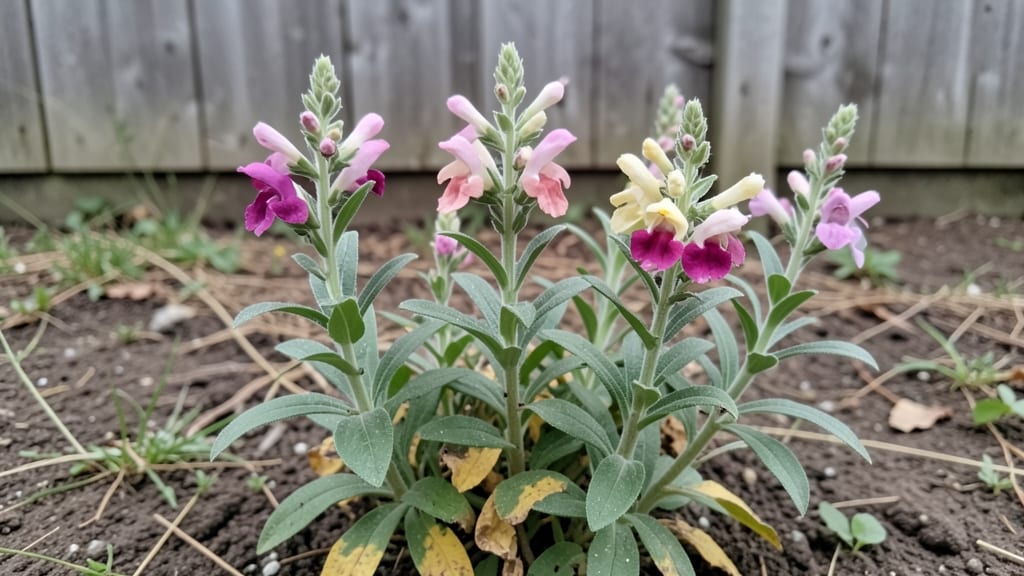
A stunning landscaping snapdragon flower bed turns any garden into a vibrant vertical masterpiece, where spiky blooms rise like nature’s own architectural accents in shifting seasonal hues—deep purples in summer, soft pinks in fall. 🌿 fall, and even winter interest with their upright stems.
The key is layering them strategically so they don’t get lost in the mix, but instead command attention like a well-placed sculpture.
Start with a sunny, well-drained spot—snapdragons thrive in full sun and won’t tolerate soggy roots. Mix them with shorter perennials like salvia or lavender to create height variation, and tuck in annuals like pansies for winter color.
A 3-foot-wide border works well for a cottage-style garden, while a sleek, modern look benefits from pairing them with ornamental grasses or boxwood edges. The secret? Group them in odd-numbered clusters (3, 5, or 7 plants) for a natural, balanced feel.
What you’ll end up with is a flower bed that feels alive year-round—even when not in bloom, their upright stems add texture and movement. In spring, they’ll burst into color, while in fall, their blooms attract hummingbirds and butterflies.
With the right companions, snapdragons require minimal deadheading, making this a low-maintenance star that keeps your garden looking intentional, not just filled in.
Works in everything from traditional cottage gardens to minimalist modern designs. The only rule? Let them shine as the centerpiece, not just another pretty face in the crowd. Ready to make your flower bed unforgettable?
📚 In This Guide
- What you need
- Instructions
- Tips and common mistakes
- Wrapping up and next steps
What you need
- ● Snapdragon seeds or seedlings: Choose Antirrhinum majus varieties (e.g., 'Rocket,' 'Liberty,' or 'Sutton’s Improved'). Aim for 12–20 plants per square foot for a lush look.
- ● High-quality potting soil: A well-draining mix (e.g., 60% garden soil, 30% compost, 10% perlite or sand). 1 cubic yard per 100 sq. ft. of bed.
- ● Mulch: 2–3 inches of organic mulch (e.g., shredded bark or straw) to retain moisture and suppress weeds.
- ● Fertilizer: A balanced, slow-release fertilizer (e.g., 10-10-10) or organic options like composted manure. Apply 1 lb. per 100 sq. ft. at planting.
- ○ Support structures (optional but dramatic!):strong> Trellises, obelisks, or stakes (e.g., 5–7 ft. tall for climbing varieties). 1 per 2–3 sq. ft.
- ● Flower bed edging (e.g., metal or plastic) to define the space.
- ● Garden trowel or hand shovel
- ● Garden fork (for amending soil)
- ● Pruners (for trimming and maintenance)
- ● Watering can or hose with a gentle spray nozzle
- ● Measuring tape and stakes (for marking layouts)
- ● Gloves (to protect your hands from thorns or soil)
- ● Wheelbarrow (for hauling soil/mulch)
- ● Sunlight: Snapdragons thrive in full sun (6+ hours/day). Choose a south- or west-facing bed if possible.
- ● Soil test: Ensure pH is 6.0–7.0. Adjust with lime (to raise pH) or sulfur (to lower) if needed.
- ○ Weed control: Clear the area of weeds, rocks, and debris. Consider a landscape fabric layer (optional) under mulch.
- ● Water access: Plan for consistent moisture, especially during germination and flowering.
Step-by-Step instructions for designing a stunning snapdragon flower bed
Here’s how to create a showstopping vertical display that thrives year after year.
🌱 Step 1: Choose the Perfect Location for Sun and Soil
Snapdragons adore full sun—at least 6 hours daily—so scout your yard for the sunniest spot. Avoid low-lying areas where cold air settles, as snapdragons struggle in soggy soil. I always test the soil by digging a 6-inch deep hole and checking for good drainage—if water pools after 30 minutes, amend with 2-3 inches of compost or sand.
For best results, place your flower bed where it gets morning sun and afternoon shade in hot climates. This prevents the delicate blooms from scorching. If your soil feels heavy or clay-like, mix in 1 part perlite to 3 parts native soil to improve airflow to the roots.
🪴 Step 2: Outline and Prepare the Bed for Planting
Sketch your design first—snapdragons grow 1-3 feet tall, so arrange them in staggered rows or clusters to create natural height variation. For a 4-foot wide bed, I like planting in 3 rows with 12-inch spacing between plants and 18-inch spacing between rows. This ensures airflow and easy maintenance.
Mark the layout with stakes or spray paint, then dig the bed to a depth of 8-12 inches, loosening the soil with a garden fork. Remove any weeds or grass, then spread a 2-inch layer of compost over the entire area. Rake it in lightly so it blends with the topsoil.
☀️ Step 3: Plant Snapdragons for Maximum Impact
Start by digging holes twice as wide as the root ball but no deeper—snapdragons hate being buried too deep. Gently remove each plant from its container, tease the roots apart if they’re circling, and place it in the hole so the top of the root ball sits level with the soil surface. Press the soil firmly around the roots to eliminate air pockets.
Water each plant deeply right after planting to settle the soil and encourage root contact. I like to use a hose with a gentle spray nozzle to avoid disturbing the newly placed plants. Space taller varieties (like ‘Black Prince’) toward the back and shorter ones (like ‘Matrix’) in front for a cascading effect.
💧 Step 4: Mulch and Water for Long-Lasting Blooms
Spread a 2-inch layer of mulch (like shredded bark or straw) over the entire bed, keeping it 2 inches away from plant stems to prevent rot. Mulch locks in moisture, suppresses weeds, and regulates soil temperature—critical for snapdragons, which bolt in heat. Replenish the mulch every 2-3 months as it breaks down.
Water deeply 2-3 times per week, aiming for 1 inch of water per week. Snapdragons wilt quickly when thirsty but recover fast—just soak the soil until it’s 6 inches deep and damp. In hot weather, water in the early morning to reduce evaporation and fungal risks.
✂️ Step 5: Deadhead and Maintain for Season-Long Color
Pinch off spent blooms weekly to encourage new flowers—this is the secret to nonstop color. I use clean fingers or small pruners to snip just above the next set of buds. Avoid cutting into the stem’s woody base, as snapdragons regenerate poorly from severe pruning.
Fertilize lightly every 4-6 weeks with a balanced, water-soluble fertilizer (like 10-10-10) mixed at half-strength. Over-fertilizing leads to lush foliage but fewer blooms. Watch for powdery mildew in humid climates—space plants wider and water at the base to keep leaves dry.
Tips & tricks for perfect snapdragon flower beds
These practical tips will help you create a snapdragon display that stays vibrant and healthy all season long.
Soil Test Tip: The 30-minute drainage test in Step 1 is key—if water pools after this time, your snapdragons will struggle. For heavy clay soil, I recommend mixing in 1 part perlite to 3 parts native soil before planting. This improves drainage while maintaining soil structure. Trust me on this, I've seen snapdragons wilt dramatically in poorly draining soil!
Planting Layout Secret: When arranging your 3 rows in Step 2, stagger the plants slightly rather than lining them up perfectly. This creates a more natural, fuller look while maintaining the 12-inch spacing. I also recommend planting taller varieties like 'Black Prince' in the center rows and shorter ones like 'Matrix' on the edges for that cascading effect mentioned in Step 3.
Watering Wisdom: The 1 inch per week watering guideline in Step 4 works perfectly in moderate climates, but adjust for your conditions. In hot weather, you might need to water every other day, while cooler seasons may only require weekly waterings. Always water deeply to reach 6 inches down—this encourages deep root growth that makes your snapdragons more drought-resistant.
Maintenance Hack: For deadheading in Step 5, I've found that using clean pruning shears instead of fingers gives you more control, especially when dealing with multiple plants. Plus, it's much faster! Set a reminder every Sunday morning to check your beds—consistent deadheading is what keeps those blooms coming nonstop. The weekly commitment pays off with continuous color all season.
Pro Tips for Landscaping Snapdragon Flower Bed
- These practical tips will help you create a snapdragon display that stays vibrant and healthy all season long.
- Soil Test Tip: The 30-minute drainage test in Step 1 is key—if water pools after this time, your snapdragons will struggle.
- Planting Layout Secret: When arranging your 3 rows in Step 2, stagger the plants slightly rather than lining them up perfectly.
Frequently asked questions
Got questions about creating a stunning landscaping snapdragon flower bed? You’re not alone—this vibrant plant is a favorite, but it comes with a few quirks. Here are answers to the most common queries to help you grow with confidence!
When’s the best time to plant snapdragons?
For the most dramatic results, plant snapdragons in early spring or late summer. Spring gives them time to establish roots before summer heat, while late-summer planting avoids winter stress. In mild climates, you can even sow them in fall for early spring blooms! Avoid planting in peak summer—it can shock the plants.
How much water do snapdragons need?
Snapdragons prefer moderate moisture, especially during their first growing season. Water deeply 1–2 times per week, depending on your climate—aim for about 1 inch of water total. Overwatering can cause root rot, so ensure your flower bed has well-draining soil. Mulch around the base to retain moisture and reduce evaporation.
Can I grow snapdragons in containers?
Snapdragons thrive in containers as long as the pot has drainage holes and is at least 12 inches deep. Choose a sunny spot and use a well-draining potting mix. Containers are great for patios or small spaces, but keep in mind they may need more frequent watering than in-ground beds. Rotate pots occasionally for even growth.
What pests or diseases should I watch for?
Snapdragons are generally low-maintenance, but watch for aphids, spider mites, or powdery mildew. Aphids love tender new growth—spray off pests with water or use neem oil. For mildew, improve airflow and avoid overhead watering. Healthy plants with good spacing and proper sunlight are less susceptible to issues.
Do snapdragons survive winter?
Most snapdragon varieties are annuals, meaning they won’t return after frost. However, some perennial snapdragon types (like Antirrhinum majus hybrids) may survive in USDA Zones 7–10. To extend their life, cut back dead foliage in fall and protect young plants with a light mulch. For annuals, enjoy their bold blooms each season and replant in spring!
Wrapping up and next steps
Creating a stunning snapdragon flower bed is all about embracing vertical drama and seasonal versatility! 🌸 With the right soil, sunlight, and plant selection, you’ve got everything you need to craft a showstopping garden feature that thrives year-round.
Whether you’re a beginner or a seasoned gardener, the key is patience and creativity—let your snapdragons reach for the sky and transform your outdoor space.
Ready to take the next step? Start by sketching your design, then gather your materials and dive in! Your dream flower bed is just a season away—happy planting! 🌱