
Shrubs
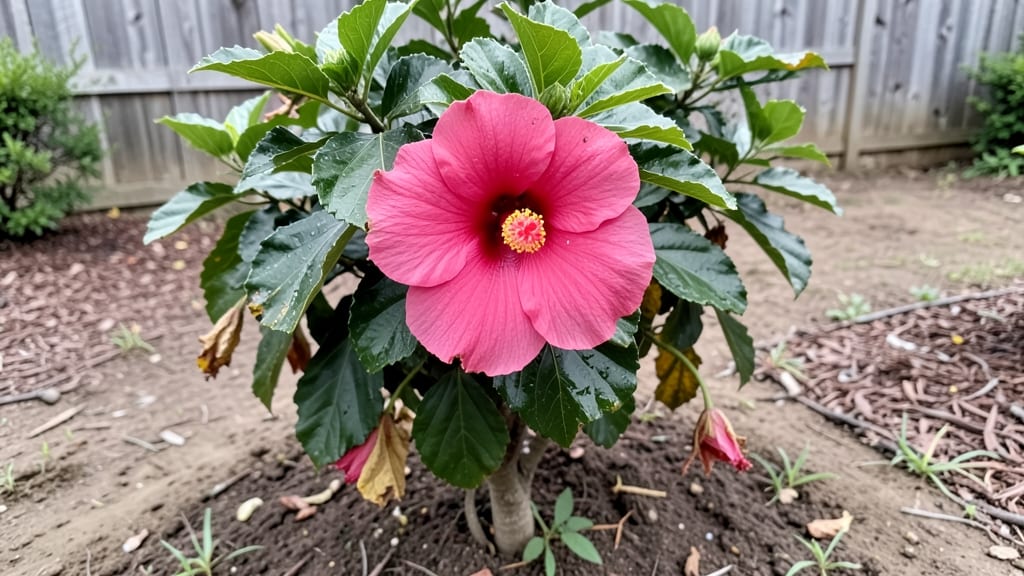
Growing large flowered hibiscus 🌸 starts with the right conditions—this bold shrub thrives in full sun and warm climates, but with a few tricks, you can coax those dinner-plate blooms even in cooler zones.
Picture this: a garden bursting with vibrant, dinner-plate-sized hibiscus blooms that last all year—no tropical climate required. Large flowered hibiscus (Hibiscus rosa-sinensis) can be your secret weapon for year-round color, but only if you master their care.
Most gardeners assume these tropical beauties need constant pampering, but the truth is simpler: they just need well-draining soil, consistent moisture, and a little seasonal pruning to keep them blooming.
Whether you're planting in Zone 6 or beyond, I’ll show you how to grow hibiscus that outshines everything else in your yard.
From picking the perfect spot to troubleshooting wilting leaves, this guide covers everything you need to turn your outdoor space into a lush, blooming paradise—without the guesswork.
Choosing and planting large flowered hibiscus for maximum blooms
Large flowered hibiscus (Hibiscus rosa-sinensis) thrives when you match the right variety to your climate and growing conditions. Whether you're a beginner or experienced gardener, selecting the perfect hibiscus ensures vibrant blooms from spring through fall.
These tropical beauties need full sun exposure and well-draining soil to reach their full potential.
Not all hibiscus are created equal—some varieties handle cooler climates better, while others prefer tropical heat. For maximum blooms, focus on cold-hardy types like 'Disco Belle' or 'Lord Baltimore' if you live in USDA zones 6-9.
In warmer zones (10+), you can grow almost any variety, including the stunning 'Pink Gorilla' or 'Dwarf Blue Hawaii' for containers.
Before planting, test your soil pH—hibiscus prefer slightly acidic to neutral soil (pH 6.0-7.0). Amend heavy clay with compost or sand to improve drainage, as waterlogged roots are a common killer of these tropical plants. If your soil is sandy, mix in organic matter to retain moisture.
Now, let’s dive into the essentials with this quick-reference guide to help you choose and plant your hibiscus for year-round blooms:
| Variety | Hardiness Zone | Sunlight Needs | Mature Height | Best For |
|---|---|---|---|---|
| 'Disco Belle' | 6a-10a | Full sun (6+ hrs) | 6-10 ft | Borders, hedges |
| 'Lord Baltimore' | 7a-10a | Full sun | 10-15 ft | Specimen plant |
| 'Dwarf Blue Hawaii' | 9a-11 | Full sun | 3-5 ft | Containers, patios |
| 'Pink Gorilla' | 10a-11 | Full sun | 12-15 ft | Tropical gardens |
| 'Lime Green Delight' | 9a-11 | Full sun | 4-6 ft | Containers, small spaces |
For in-ground planting, choose a spot with 6+ hours of sunlight and well-draining soil. Dig a hole twice as wide as the root ball but no deeper.
Gently remove the plant from its container, loosen the roots, and place it in the hole so the top of the root ball sits 1 inch above ground level. This prevents root rot from sitting water.
If you’re growing hibiscus in containers, select a pot at least 12 inches deep with drainage holes. Use a lightweight potting mix blended with perlite or sand for aeration.
Containers dry out faster, so check soil moisture daily during hot summer months. Move pots indoors or to a sheltered spot if temperatures drop below 50°F (10°C).
After planting, water deeply to settle the soil and remove air pockets. Apply a 2-3 inch layer of mulch around the base (but not touching the stem) to retain moisture and regulate soil temperature.
Mulch also suppresses weeds, which compete for nutrients. Replenish mulch every few months as it breaks down.
Seasonal planting tips matter! In cooler climates (zones 6-8), plant after the last frost date (typically April-May). In warmer zones (9-11), you can plant year-round, but avoid extreme heat or cold snaps. For container-grown hibiscus, start indoors 8-10
Year-round care secrets: watering, fertilizing, and pruning for continuous flowers
To keep your large flowered hibiscus blooming nonstop, you need a seasonal care strategy that balances watering consistency, targeted fertilization, and strategic pruning. These tropical beauties thrive on routine, but their needs shift dramatically between summer heat and winter dormancy.
Let’s break down the exact steps to maintain that showstopping display all year.
The key to continuous blooms lies in understanding your hibiscus’s watering requirements. Unlike drought-tolerant succulents, these plants demand regular moisture—especially during peak growing months.
Overwatering or underwatering can both trigger bud drop and stunt flower production. Mastering this balance is your first step to a year-round floral spectacle.
Large Flowered Hibiscus Care: Pros & Cons
- 🌸 Vibrant blooms year-round with proper care
- 🌿 Drought-tolerant once established (reduces watering needs)
- ✂️ Easy pruning encourages bushier growth and more flowers
- 🌍 Thrives in containers—great for patios and small gardens
- 💧 Needs consistent watering—wilts quickly in dry spells
- ☀️ Requires full sun—struggles in shade (fewer blooms)
- 🌡️ Sensitive to frost—needs winter protection in zones <6a
- 🌱 Slow to recover from over-fertilizing or pruning mistakes
For fertilization, I recommend a balanced 10-10-10 NPK formula applied every 4-6 weeks during the growing season. Start with a light feeding in spring to jumpstart growth, then switch to a high-phosphorus fertilizer (like 5-10-10) in summer to boost flowering.
Avoid fertilizing in fall and winter—this mimics their natural dormancy cycle and prevents nutrient burn.
Pruning is where many gardeners go wrong. Instead of hacking back random branches, focus on shaping the plant and removing spent blooms. After each flower fades, snip the stem just above a leaf node to encourage new growth.
In late winter, do a light structural prune to remove dead or crossing branches, which opens the plant for better airflow and sunlight penetration.
In colder climates (USDA Zone 6a or below), protect your hibiscus with a thick mulch layer (3-4 inches) and wrap the container or base in burlap or frost cloth. If temperatures drop below 20°F, move potted plants to a garage or sheltered porch.
Even in milder zones, reduce watering to monthly and skip fertilization entirely during winter to avoid stressing the plant.
One common mistake that kills hibiscus blooms is over-pruning in late summer. This cuts off new growth that could harden off before winter. Another pitfall is using tap water high in chlorine, which can burn roots.
Always let tap water sit for 24 hours before watering, or use rainwater for best results. With these adjustments, your hibiscus will reward you with dinner-plate-sized blooms from spring through fall—and even surprise you with winter flowers in warmer regions!