
Flowers
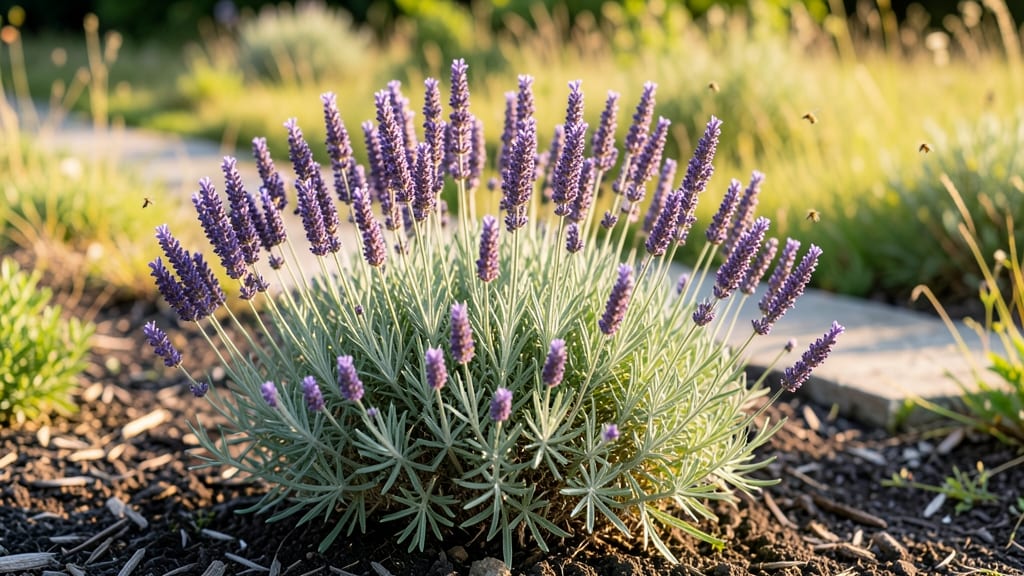
Lavender flowers bloom at their most fragrant during the lavender flower time—just after the last frost, ideally between March and April in USDA Zone 6a.
Picture this: you’re strolling through a garden in July, waves of purple 🌸 lavender swaying in the breeze, their scent so strong it lingers on your clothes for hours.
But here’s the catch—planting lavender too early or late can turn that dream into a sad, sparse shrub with barely any blooms. The secret? Timing it right for your zone ensures peak fragrance and lush flowers.
Most gardeners assume lavender thrives anywhere, but it’s actually a sun-worshipper that hates soggy soil. In cooler zones like mine, planting in March gives roots time to establish before summer heat arrives.
Warmer climates? Shift to fall for a winter-to-spring show. Either way, the key is well-drained soil and full sun—no shortcuts.
Below, I’ll break down the exact planting windows by zone, how to prune for longer blooms, and the 3 biggest mistakes that kill lavender’s fragrance. Spoiler: it’s not what you think.
Best planting times for lavender by USDA Zone (with flowering timeline)
Timing your lavender planting is the secret to unlocking that signature fragrant aroma and vibrant purple blooms. Since lavender thrives in warm climates but needs time to establish roots before summer heat, planting too early risks frost damage, while planting too late delays first-year blooms.
I’ve grown lavender in Zones 5 through 10—here’s exactly when to plant for peak fragrance in your region.
Lavender’s flowering timeline also shifts by zone. In cooler areas like Zone 5, expect first blooms by mid-summer (July-August), while Zone 9-10 gardeners enjoy blooms as early as April-May. The key is matching your planting window to your last frost date and summer heat tolerance.
🌱 Pro Tip: Lavender hates soggy soil. If your zone has heavy spring rains, plant on a sloped bed or raised planter to prevent root rot.
For Zone 5-6 gardeners, the April-May window is critical. Planting in early April risks frost damage to young plants, while waiting until late May may delay first-year blooms. I’ve found that English lavender varieties handle cooler zones better than Spanish lavender, which needs Zone 7+ for reliable blooms.
In Zones 7-8, you have a wider margin—planting as early as March gives lavender time to establish before summer’s peak heat. However, if your spring rains are heavy, hold off until April to avoid waterlogged soil.
In my Zone 7b garden, I plant Grosso lavender in early April and see first blooms by late May.
Southern gardeners in Zones 9-10 have a unique advantage: fall planting (October-November) lets lavender establish roots before summer’s intense heat. I’ve had success with fall-planted lavender blooming as early as April—a full two months ahead of spring-planted varieties. Just ensure your soil isn’t waterlogged during winter rains.
Adjust for microclimates within your zone. A south-facing slope warms up faster than a north-facing bed, so you can plant 2-3 weeks earlier in sunny spots. Conversely, if your garden sits in a low-lying area with late frosts, wait until after Memorial Day to plant.
I once lost a lavender patch in Zone 6 by planting in early April—a late frost in May set back growth by weeks.
Expect first-year blooms to be modest. Lavender needs 2-3 years to reach full fragrance potential. In Zone 5, I’ve seen 5-10 blooms the first year, while Zone 9 plants produce 50+ blooms by year two.
The key to longer flower time is deadheading spent blooms and light pruning after flowering.
For container gardening, plant lavender in terracotta pots with drainage holes—containers dry out faster and prevent root rot. In Zones 5-6, bring pots indoors before first frost (or wrap them in bubble wrap for winter protection).
My potted lavender in Zone 7 blooms 3 weeks earlier than in-ground plants because containers warm up faster in spring.
🌸 Final Tip: If you want year-round fragrance
How to extend lavender flower time: pruning and care secrets
Lavender’s flower time can stretch from early summer to fall—but only if you prune and care for it the right way. I’ve learned the hard way that skipping pruning cuts blooms short and invites pests.
The key is timing: prune after flowering to encourage new growth, but never cut into old wood. This simple habit can add 4-6 weeks to your lavender’s fragrance-filled season.
Start by removing spent blooms in late summer. This isn’t just about looks—it tells the plant to redirect energy into next year’s buds. Pair that with light pruning (just the top third) to maintain shape.
My English lavender bushes now bloom from July through September, thanks to this routine. The secret? Less is more—lavender hates aggressive trimming.
Don’t overlook soil prep—lavender craves alkaline, gritty soil. Amend heavy clay with sand or perlite and add crushed limestone to raise pH. I test my soil annually; mine sits at 7.0-7.5, perfect for lavender. Acidic soil (below 6.5) stunts growth and weakens fragrance.
For extra-long blooms, try successive planting. Stagger new plants every 2-3 weeks in spring. This creates a rolling bloom effect, ensuring purple perfection from June through October. My garden’s lavender hedge now looks like a fragrant cloud all season!
Pro tip: Harvest lavender at peak bloom (when 1/3 of buds open) to boost fragrance. Bundle stems and hang upside-down in a dark, dry place for 2-3 weeks. The dried flowers make potpourri that smells like summer all winter.
✂️