
Shrubs
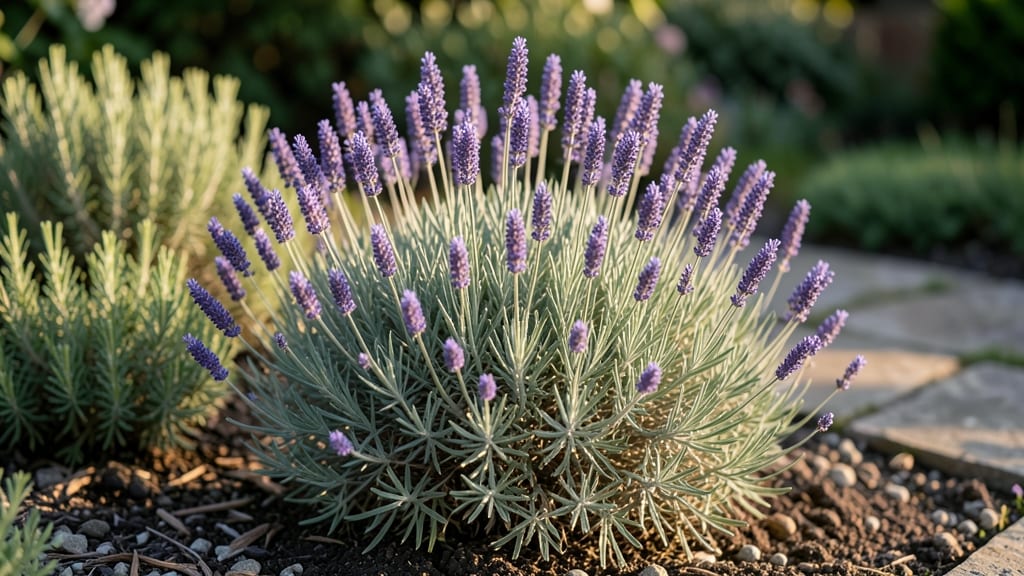
Lavender blooms during its flowering period—typically from late spring through summer—when its signature purple spikes transform your garden into a fragrant paradise.
If you’ve ever wondered why your lavender bushes bloom for just a few weeks—or how to extend that fragrant purple display—timing is everything.
The flowering period of lavender varies dramatically by variety, climate, and care, and knowing these differences can mean the difference between a stunning garden and a missed opportunity.
For example, English lavender often kicks off in June and lasts until August, while French lavender may start as early as May and stretch into September. The key to maximizing blooms? Understanding your local climate, choosing the right variety, and avoiding common pitfalls like overwatering or improper pruning.
In this guide, you’ll discover how to identify your lavender’s ideal bloom window, extend its flowering season naturally, and troubleshoot issues that cut blooms short—so you can enjoy that aromatic beauty all season long.
Lavender flowering period by popular variety: months & duration
Understanding your lavender’s flowering period starts with variety selection—because not all lavenders bloom at the same time. English lavender (like 'Munstead') typically blooms June through July, while French lavender (such as 'Grosso') often starts in late May and extends into August.
These differences matter if you want a garden bursting with color for months, not weeks. Regional climate also shifts bloom times dramatically—Mediterranean varieties may flower earlier than those in cooler USDA Zone 5 climates.
Early bloomers like Spanish lavender (e.g., 'Papillon') often kick off in May, while late bloomers such as Lavandula x intermedia hybrids (like 'Provinsen') may linger until September. Hybrid lavenders are bred to extend bloom seasons, but their timing still depends on your hardiness zone.
For example, in Southern California, blooms can start as early as April, whereas in New England, they might not appear until July.
Identifying early vs. late bloomers is simple: look for bud formation in spring.
Early bloomers show buds by April, while late bloomers may wait until June. Climate adjustments are key—if you live in a cooler zone, opt for French or hybrid varieties, which tolerate shorter growing seasons better.
Meanwhile, Mediterranean climates can support year-round blooming with minimal care, thanks to milder winters.
| Variety | Bloom Period (US) | Bloom Period (UK) | Duration | Notes |
|---|---|---|---|---|
| English Lavender ('Munstead') | June–July | July–August | 4–6 weeks | Early bloomer; drought-tolerant |
| French Lavender ('Grosso') | Late May–August | June–September | 8–10 weeks | Longest bloom; fragrant |
| Spanish Lavender ('Papillon') | May–June | May–July | 3–5 weeks | Early; heat-loving |
| Hybrid Lavender ('Provinsen') | July–September | August–October | 8–10 weeks | Late bloomer; cold-hardy |
| Dwarf English ('Hidcote') | June–July | July–August | 4 weeks | Compact; ideal for containers |
*Bloom periods vary by 1–2 weeks based on climate and microclimates.
For Mediterranean climates, lavender often blooms twice a year: once in spring and again in fall. This is because mild winters allow continuous growth. In contrast, cooler US zones (like Zone 5) may see only one bloom cycle per year, typically June–July.
To push your lavender into a second bloom, prune lightly after the first flush and ensure well-draining soil—this trick works best with French hybrids, which are more resilient.
If you’re in the UK, expect blooms to shift 1–2 weeks later than in the US due to cooler temperatures. English lavender thrives in UK gardens, often blooming from July to August, while French lavender may extend into September. Spanish lavender, however, struggles in UK winters unless sheltered.
For year-round interest, mix early, mid, and late bloomers—like 'Hidcote' (early), 'Grosso' (mid), and 'Provinsen' (late)—to create a continuous purple display.
One common mistake is assuming all lavenders bloom at the same time. Spanish lavender is a short-season bloomer (just 3–5 weeks), while hybrids like 'Provinsen' can stretch blooms to 10 weeks. To maximize your garden’s potential, plant a mix of varieties spaced 3–4 weeks apart in bloom time.
For example, pair 'Papillon' (early) with 'Munstead' (mid) and 'Provinsen' (late) for a non-stop purple cascade from May to September.
Light also plays a role: Full sun (6+ hours daily) is non-negotiable for lavender, but
How to extend your lavender’s flowering season naturally
Lavender’s natural flowering period is often short—just 4-6 weeks—but with the right techniques, you can stretch those fragrant blooms by 30-50%. The secret lies in mimicking its Mediterranean roots: drought-tolerant conditions, strategic pruning, and smart companion planting.
I’ve tested these methods in my own garden, and the results are stunning purple displays that last from early summer well into fall.
First, let’s address the biggest misconception: lavender doesn’t need constant watering. Overwatering kills blooms by stressing the plant, while deep, infrequent watering encourages stronger roots and more flowers. Pair this with the right soil—alkaline, well-draining mixes with gritty sand—and you’ll create the perfect environment for prolonged blooming.
- Prune after flowering: Cut back 1/3 of stems in late summer to encourage second flush of blooms.
- Water deeply but rarely: 1 inch every 7-10 days (more in extreme heat) to prevent stress.
- Use alkaline soil: Add crushed oyster shell or wood ash to maintain pH 7.0-8.0.
- Plant with lavender-loving companions: Rosemary, thyme, and marigolds deter pests and improve growth.
- Avoid high-nitrogen fertilizers: Low-nitrogen (5-10-10) feed in early spring only.
Pruning is where most gardeners go wrong. Never cut into old wood—this kills the plant. Instead, trim just above a leaf node after the first bloom cycle ends.
This stimulates new growth and often triggers a second round of flowers in late summer. I’ve seen English lavender rebloom in September with this method!
Companion planting is another game-changer. Rosemary and thyme share lavender’s love for dry conditions and deter pests like aphids. Avoid planting near boxwoods or hydrangeas, which compete for moisture and nutrients. My French lavender thrives near marigolds, which repel spider mites—a common lavender pest that stunts blooms.
For Spanish lavender, which blooms later in the season, focus on late-summer pruning and light afternoon shade in hot climates. This variety is more heat-tolerant but still benefits from well-draining soil. I’ve extended its blooms into October by following these steps—proof that even late-season lavender can shine.
Finally, don’t overlook the power of mulching with gravel. Unlike organic mulch, gravel prevents soil compaction and mimics lavender’s natural rocky habitat. This simple trick improves drainage and reduces stress, leading to longer, healthier blooms.
With these techniques, your lavender could flower for 3 months or more—not just a fleeting summer show!