
Blooming
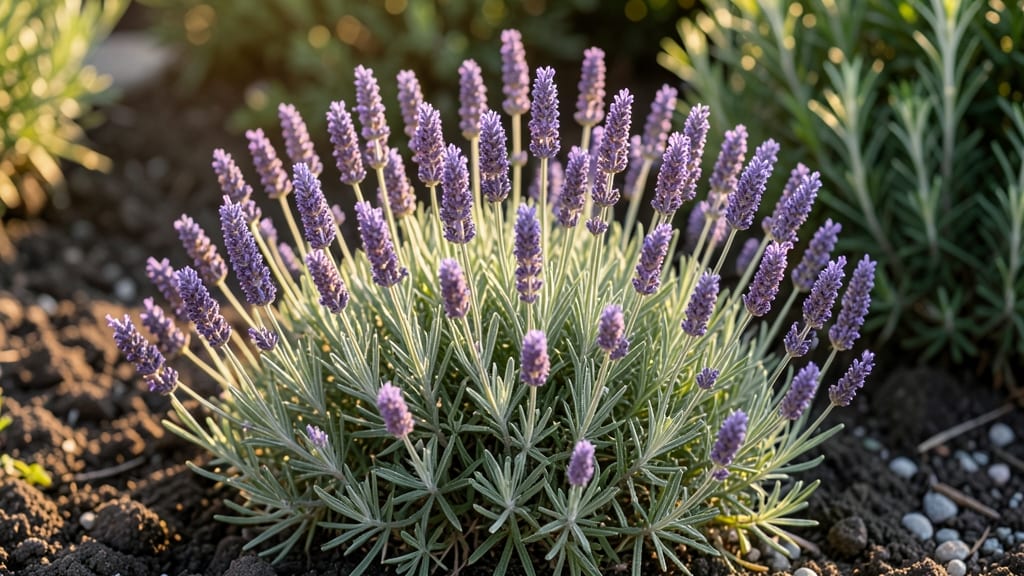
Your lavender plant’s flowering season depends on climate, sunlight, and a few key care tricks that most gardeners miss.
If you’ve ever wondered why your 🌸 lavender isn’t blooming—or when to expect those fragrant purple spikes—timing is everything. The flowering season of lavender depends entirely on your climate zone, and getting it right can mean the difference between a lush, fragrant garden and a bare stem.
In USDA Zone 6a, like much of the Midwest, lavender typically bursts into bloom from mid-June to early August, though Mediterranean climates can stretch that window into fall.
The secret? Full sun, well-drained soil, and knowing when to prune—because cutting too late can rob you of next year’s flowers.
Below, I’ll break down the exact months your lavender should bloom based on where you live, plus 3 simple adjustments to extend those fragrant spikes for weeks longer. No guesswork, just results.

Best lavender flowering months by USDA climate Zones
Lavender's flowering season varies dramatically across the U.S., with USDA Zones 5-10 offering wildly different bloom windows. In cooler zones (5-7), lavender typically blooms late spring to early summer, while warmer zones (8-10) enjoy extended blooms from spring through fall.
The key factors? Daylight hours, temperature, and frost timing all play critical roles in triggering those fragrant purple spikes.
For gardeners in Zones 5-6, lavender often waits until May or June to bloom after surviving early spring frosts. Meanwhile, Zones 9-10 lavender can start flowering as early as March and continue through November.
Understanding your zone helps you select the right varieties and time pruning for maximum blooms. Let's break down what to expect where you live.
| USDA Zone | Peak Bloom Months | Early Varieties | Late Varieties | Key Trigger |
|---|---|---|---|---|
| 5-6 | Late May - June | 'Munstead' (early) | 'Grosso' (late) | Frost-free soil |
| 7-8 | April - July | 'Provence' (spring) | 'Hidcote' (summer) | 14-hour daylight |
| 9-10 | March - November | 'Spanish' (early) | 'Lavandin' (fall) | Warm winters |
🌱 Note: Varieties like 'Kew Red' bloom later in cooler zones but earlier in warm climates.
In Zones 5-6, lavender needs consistent warmth before blooming.
The last frost date becomes your benchmark - plant after May 15 in most areas to ensure blooms arrive. 'Munstead' lavender, a classic English variety, often starts flowering in late May but may wait until June in colder microclimates. Daylength also matters: lavender typically needs 14+ hours of daylight to trigger flowering.
Gardeners in Zones 7-8 enjoy the best of both worlds with spring and summer blooms. 'Provence' lavender often starts in April and continues through July, while 'Hidcote' may produce a second flush in fall.
The humidity in these zones can challenge lavender, so well-draining soil becomes even more critical. I've found that raising beds slightly helps prevent root rot during humid summers.
For Zones 9-10, lavender's flowering season stretches nearly year-round. 'Spanish' lavender may bloom as early as March, while 'Lavandin' can produce fall flowers even after September.
The key here is avoiding winter wetness - these zones often experience mild but rainy winters, which can rot lavender roots. Mulching with gravel helps maintain dry conditions around the base.
Temperature plays a surprising role in lavender's blooming cycle. While lavender loves heat, it actually needs a cool period (around 50-55°F) to set flower buds. In Zones 5-6, this often happens in early spring after winter dormancy.
In Zones 9-10, lavender may require artificial cooling during summer to trigger bud formation. I've had success moving potted lavender to shadier spots during July-August heatwaves.
Light exposure directly impacts bloom timing. Lavender needs 6-8 hours of direct sun daily, but too much intense afternoon sun in hot zones can scorch buds. In Zones 8-10, I recommend partial afternoon shade during peak summer months to protect emerging flowers.
Morning sun with afternoon shade often produces healthier, longer-lasting blooms in these climates.
Pruning after flowering (not before) is crucial for next year's blooms. In Zones 5-6, prune in late July
How to extend your lavender’s flowering season naturally
Want your 🌸 lavender to bloom longer and more abundantly? The key lies in mimicking its natural Mediterranean habitat. Unlike seasonal varieties that bloom once and fade, ever-blooming lavender (like 'Kew Red' or 'Hidcote') can produce flowers intermittently throughout the growing season with the right care.
Even standard lavender responds well to a few simple adjustments—think pruning timing, watering discipline, and soil prep.
First, let’s address the biggest misconception: lavender doesn’t need constant water. In fact, overwatering is the #1 reason blooms fizzle out early. Mediterranean lavender thrives on drought-like conditions—just like its wild cousins.
The goal is to encourage strong root systems that support prolonged flowering, not lush foliage. I’ll show you exactly how to balance watering without stressing your plants.
Ever-Blooming vs. Seasonal Lavender
| Factor | Ever-Blooming Varieties | Seasonal Varieties |
|---|---|---|
| Bloom Cycle | Intermittent (spring-fall) | Once per year (late spring) |
| Pruning Needs | Light after blooms | Heavy post-bloom |
| Water Tolerance | Drought-resistant | Drought-resistant |
| Best For | Longer displays, cut flowers | Intense seasonal blooms |
| Care Tip | Deadhead spent blooms | Prune aggressively after bloom |
💡 Pro Tip: Mix both types in your garden for continuous color!
Now, let’s talk pruning—the secret weapon for extending lavender’s flowering season. Most gardeners make the mistake of cutting back too late in the year. For seasonal lavender, prune immediately after the first bloom cycle (around July in Zone 6a) to encourage a second, lighter flush of flowers.
For ever-blooming varieties, simply trim back any woody stems in early spring and deadhead spent blooms throughout the season.
Your soil plays a crucial role too. Lavender despises soggy roots, so amend heavy soil with coarse sand or perlite to improve drainage.
A light application of compost (no more than 10% of the soil mix) in early spring provides just enough nutrients without promoting leafy growth at the expense of flowers.
I’ve found that adding a handful of garden lime (to raise pH to 6.5-7.5) also boosts bloom production in my Zone 7 garden.
Don’t overlook the power of mulch. A 2-inch layer of gravel or pebbles around your lavender plants mimics its natural rocky habitat, regulates soil temperature, and reduces moisture retention.
Organic mulches like straw can work too, but they’ll need to be kept several inches away from the stems to prevent rot. This simple step has helped my lavender bloom 2-3 weeks longer each season.
Finally, pay attention to your light conditions. Lavender needs at least 6-8 hours of direct sunlight daily to produce abundant blooms. If your plants are in partial shade, consider transplanting them to a sunnier spot before the next growing season.
In containers, move pots to a south-facing window or balcony during winter months to maintain strong growth.
With these adjustments, you’ll transform your lavender from a one-time bloomer to a fragrant, long-lasting star of your garden. The best part? These methods require minimal extra effort—just a few strategic tweaks to your existing care routine. Happy gardening! 🌿