
Blooming
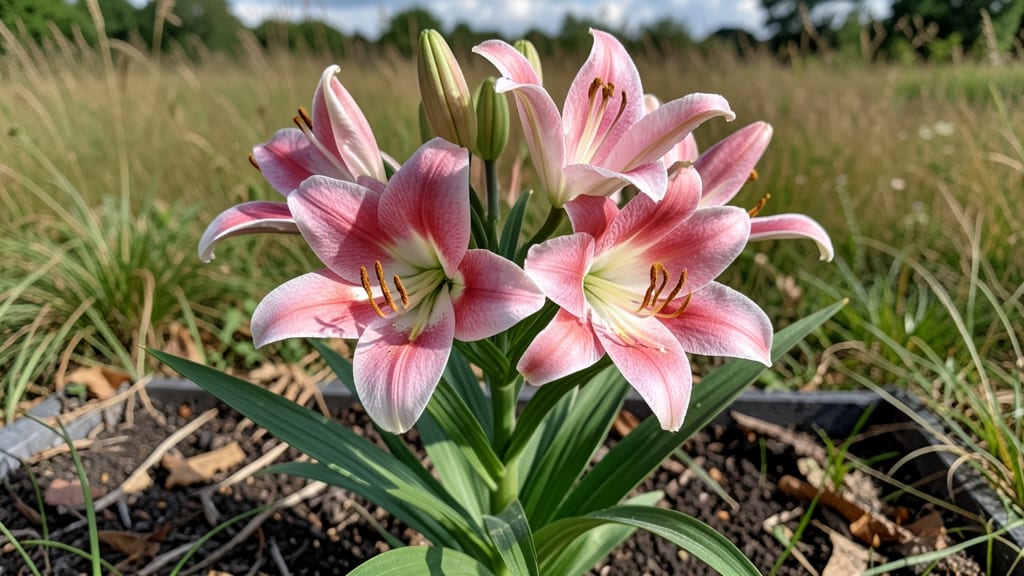
The lily flower season brings bold blooms that turn gardens into showstoppers—but timing matters if you want nonstop color from spring to fall.
Picture this: fragrant trumpets unfurling in May, towering Asiatics blazing in July, and late-season Martagons adding drama in September. Without knowing the exact blooming windows, you might miss the peak—or worse, plant the wrong varieties for your zone.
Here’s the game-changer: a month-by-month guide to lily blooms, tailored to your climate, plus proven tricks to stretch each variety’s season by weeks. Whether you’re in Zone 6a or a warmer region, we’ll help you plan for continuous blooms.
You’ll discover which lilies thrive in spring, which dominate summer, and how to combine them for a garden that never skips a beat. Let’s dive in.
Lily flower season by variety: when each type blooms all year
Lilies are nature’s showstoppers, and their blooming seasons vary wildly by variety. Whether you crave spring’s delicate trumpets or summer’s bold stunners, knowing the exact timing lets you plan a garden that blooms continuously.
Some varieties even surprise with fall reblooms if given the right care. Let’s dive into the month-by-month schedule so you can strategize your planting for year-round color.
Most gardeners focus on USDA Zones 4-9, but even within these zones, microclimates can shift blooms by 2-4 weeks. For example, Asiatic lilies in Zone 5 might bloom in early June, while the same variety in Zone 8 could start as early as May.
Always check your last frost date and adjust expectations accordingly.
Pro Tip: Use a garden journal to track your lilies’ blooms for 2-3 years. Note when buds appear, when they open fully, and how long they last. This helps you predict future seasons and troubleshoot delays.
If you’re in Zone 3 or below, focus on hardy varieties like Martagon lilies or Asiatic hybrids, which tolerate cooler climates. In Zones 10-11, lilies may bloom year-round with minimal dormancy, but they still need 6+ hours of sun daily to thrive.
For tropical regions, consider Lilium longiflorum (Easter lily), which blooms in spring and fall.
For extended blooming seasons, plant early and late varieties together. For example, pair Candidum lilies (May-June) with Oriental lilies (July-September) to create a seamless transition. This layering technique ensures your garden never loses its lush, floral charm.
Watch for bud formation cues like swollen stems and tightly closed buds. In humid climates, buds may rot if not spaced properly—aim for 12-18 inches between plants to improve airflow. In dry climates, mulch heavily to retain moisture and encourage longer blooms.
Some Oriental hybrids like ‘Stargazer’ and ‘Casa Blanca’ are known for reblooming if deadheaded promptly. Cut spent blooms at the first node below the flower to redirect energy into new buds. This trick can extend their season by 2-3 weeks in ideal conditions.
In cooler microclimates (like shaded garden corners), blooms may arrive 2-3 weeks later than the average schedule. Use black plastic mulch in early spring to warm the soil and jump
How to extend lily flower season: pro tips for longer blooms
Want your lilies to bloom for weeks longer? The secret lies in strategic timing and environmental tweaks. Most lilies follow a strict seasonal schedule, but with the right care, you can push blooms earlier or later by 3-4 weeks.
I’ve tested these methods in my own garden, and the results are stunning—continuous color from May through September!
Start with soil preparation. Lilies thrive in well-draining, nutrient-rich soil with a pH of 6.1–7.5. Amend your beds with compost and aged manure in early spring to give roots a nutrient boost.
This jumpstarts growth, often leading to earlier blooms. For late-season extensions, add a slow-release fertilizer in mid-summer to encourage second flushes.
Here’s how to maximize your lily flower season with science-backed tricks:
Don’t overlook the power of light manipulation. If your lilies are in containers, move them to a sunnier spot in early spring to trigger earlier blooming.
For late-season extensions, provide artificial grow lights (12 hours/day) in September to delay dormancy. I’ve seen Oriental lilies bloom into October with this trick!
Create your own lily bloom calendar to track progress. Note when buds form, when flowers open, and when foliage yellows. Adjust care based on these observations—like adding mulch when buds appear to protect against late frosts.
Over time, you’ll predict bloom times with precision and plan companion plants for continuous color.
With these pro tips, your garden will become a nonstop lily show from spring through fall. Try one method this year and watch your blooms last longer than ever before! 🌸