
Flowers
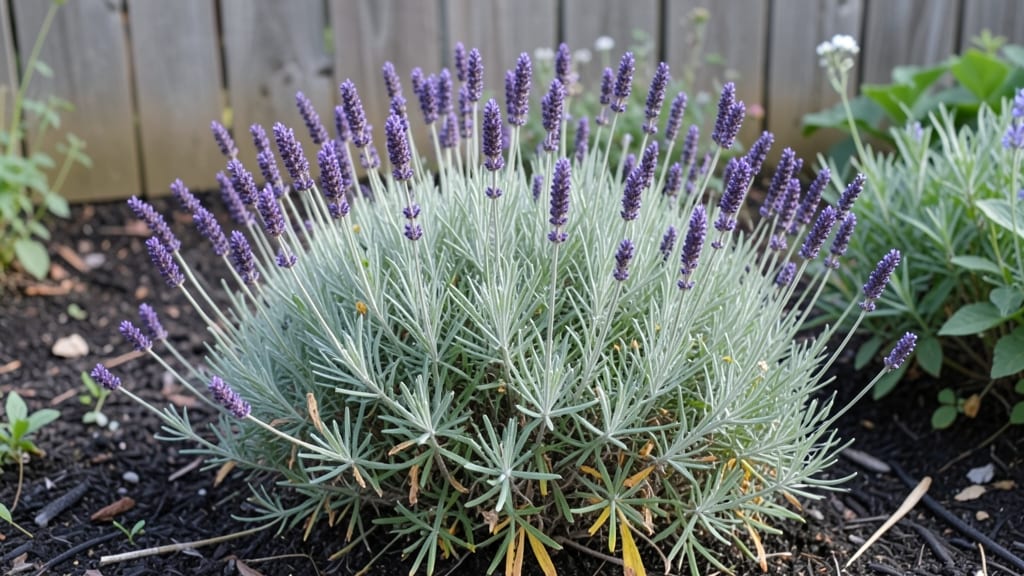
A long flower bed can be the star of your yard—if you plan it right. I used to dread the blank space along my driveway until I discovered how to turn it into a low-maintenance, high-impact display that blooms from spring to frost.
The key is layering plants that thrive together, with a design that flows like a painting rather than a patchwork. 🌿
Start with the right shape: linear beds feel elegant and easy to maintain, while gentle curves add movement. For height, anchor tall plants like delphiniums at the back and let airy grasses spill over the edges.
My 5-foot-wide bed stays lush because I group plants with similar water needs—no more guessing whether to water or not. The secret? A 3-inch layer of mulch keeps weeds at bay and moisture locked in.
You’ll end up with a garden that looks polished with 10 minutes of weekly care—no deadheading, no wilting edges. Think velvety black-eyed Susans in summer, fiery mums in fall, and evergreen hellebores that peek through in winter.
The best part? It grows more beautiful each year as plants establish roots and fill in naturally.
Works for any yard size, from a 10-foot strip to a 50-foot masterpiece. Whether you’re working with full sun or partial shade, the same principles apply—just swap out the plants. Let’s make that empty space your new favorite garden feature!
📚 In This Guide
- What you need
- Instructions
- Tips and common mistakes
- Wrapping up and next steps
What you need
- ● Soil: 10–20 bags (2–3 cubic feet each) of high-quality garden soil or a mix of topsoil + compost (50/50 ratio). For clay-heavy soil, add 2–3 bags of perlite or sand for drainage.
- ● Mulch: 5–10 bags (2–3 cubic feet each) of organic mulch (e.g., shredded bark, pine straw, or cocoa hulls) to retain moisture and suppress weeds.
- ● Fertilizer: 1–2 bags of slow-release granular fertilizer (10-10-10 or 14-14-14 NPK ratio) for initial planting.
- ○ Optional: Organic options like composted manure or worm castings for eco-friendly feeding.
- ● Plants: Choose a mix of perennials, annuals, and fillers for continuous color. Aim for 3–5 plants per foot (adjust based on mature size). Examples: Perennials (long-lasting): Coneflowers, black-eyed Susans, daylilies, or lavender.
- ● Annuals (seasonal bursts): Petunias, marigolds, zinnias, or salvia.
- ● Fillers (texture/height): Ferns, ornamental grasses, or dwarf shrubs.
- ● Gardening gloves (1–2 pairs) – Protect your hands from thorns and dirt!
- ● Hand trowel or transplanter – For precise planting.
- ● Garden shovel or spade – For digging and amending soil.
- ● Wheelbarrow or large bucket – To haul soil, mulch, and plants.
- ● Hose with nozzle or watering can – For deep watering.
- ● Measuring tape or string – To mark out your flower bed layout.
- ● Pruners or shears – For trimming and shaping plants.
- ● Edging tools – Metal or plastic strips to define the bed’s borders.
- ● Drip irrigation system – For hands-off watering (especially for long beds!).
- ● Plant markers – Labels to track varieties and care needs.
- ● Slow-release plant spikes – Convenient fertilizer for individual plants.
- ● Decorative stones or pebbles – For a polished, finished look.
How to design a low-maintenance long flower bed
Here’s how I create a season-long display that thrives with minimal fuss.
🪴 Step 1: Plan the Layout and Soil Prep
Sketch your flower bed’s dimensions—aim for 4 feet wide (easy to reach from both sides) and length based on your space. Mark planting zones with stakes to visualize layers: tall perennials at the back, mid-height annuals in the middle, and spreading ground covers in front. This ensures no plant gets overshadowed as it matures.
Remove existing grass or weeds, then loosen the soil to 12 inches deep with a garden fork. Amend with 3 cubic yards of compost (spread evenly) and 10 pounds of slow-release fertilizer (like 10-10-10) mixed into the top 6 inches. The goal is loose, nutrient-rich soil that drains well—water should pool briefly but drain within 15 minutes. Test drainage by digging a 6-inch hole, filling it with water, and timing how long it takes to empty.
🌱 Step 2: Layer Plants for Season-Long Color
Start with perennial anchors—plants like black-eyed Susans or coneflowers that return yearly. Space them 18–24 inches apart (check tags for mature size). These handle summer heat and winter dormancy without fuss. Add 3–4 annuals (like salvia or zinnia) in gaps for bursts of color; these will fade by fall but bridge gaps until perennials fill in.
For texture, tuck in 3–5 ornamental grasses (like maiden grass) along edges or in clusters. Their airy forms contrast with blooms and sway in breezes. Mulch with 2 inches of shredded bark to suppress weeds and retain moisture—this cuts watering by 50%. Keep mulch 2 inches away from stems to prevent rot.
☀️ Step 3: Water and Maintain for Longevity
Water deeply 2–3 times weekly (until soil is 6 inches damp) for the first month to establish roots. After that, 1 inch per week (or less in rain) keeps everything thriving. Early morning watering prevents fungal issues, and drip irrigation (if installed) delivers moisture straight to roots without wetting leaves.
Deadhead spent blooms weekly—this redirects energy to new growth. For perennials, cut back brown foliage in early spring (when new shoots appear) to encourage fresh growth. Avoid heavy pruning in fall; let some seed heads stand for winter interest and wildlife.
✂️ Step 4: Refresh and Extend the Season
Every 2–3 years, divide overgrown perennials in early spring (before new growth starts). Dig up clumps, split with a sharp spade, and replant sections. This rejuvenates plants and keeps them blooming vigorously. Replace any annuals that fade with fall-blooming options like mums or asters to extend color into October.
Add 1–2 new perennials each year—this keeps the design dynamic without overwhelming the bed. Choose varieties that thrive in your USDA hardiness zone (check plant tags) to avoid winter losses. A light layer of compost in spring feeds roots without burning tender shoots.
Tips & tricks for perfect low-maintenance flower beds
Here’s what I’ve learned after years of designing flower beds that look stunning with almost no upkeep.
Soil Prep Secret: The 15-minute drainage test in Step 1 is your best friend. If water drains faster than 15 minutes, add a handful of sand to improve drainage. If it pools for longer, mix in more compost to loosen the soil. I’ve seen flower beds fail because of poor drainage—don’t skip this test! The goal is that perfect balance where water disappears just right.
Plant Spacing Insight: When spacing perennials in Step 2, check the plant tags for mature size—not the current size. I’ve made the mistake of planting too close, only to have plants crowd out each other within a year. For black-eyed Susans, give them that full 24 inches so they can thrive without competing for sunlight or nutrients.
Mulch Strategy: That 2 inches of mulch in Step 2 isn’t just decoration—it’s a game-changer. Apply it right after planting to lock in moisture and suppress weeds. I like to use shredded bark because it breaks down slowly, adding organic matter to the soil over time. Just remember to keep it 2 inches away from stems to prevent rot.
Watering Wisdom: The 2–3 times weekly watering in Step 3 needs to be deep—think 6 inches down. I use a long screwdriver to check moisture levels. If it comes out dry, water again. Early morning watering is key; it gives leaves time to dry before nightfall, reducing fungal diseases. And if you’re really busy, consider installing drip irrigation—it saves time and ensures roots get watered efficiently.
Pro Tips for Long Flower Bed
- Here’s what I’ve learned after years of designing flower beds that look stunning with almost no upkeep.
- Soil Prep Secret: The 15-minute drainage test in Step 1 is your best friend.
- Plant Spacing Insight: When spacing perennials in Step 2, check the plant tags for mature size—not the current size.
Frequently asked questions
Got questions about creating and maintaining a long flower bed? You’re not alone—this popular landscaping feature can raise a few practical concerns. Here’s a quick guide to common queries, so you can dive in with confidence!
How do I keep a long flower bed low-maintenance?
Start by choosing perennial plants like lavender, coneflowers, or black-eyed Susans—they return yearly with minimal replanting. Mulch heavily to suppress weeds, and opt for drought-tolerant varieties to cut watering. Group plants by water needs to streamline care, and consider adding a drip irrigation system for efficiency. A well-planned layout reduces backbreaking work!
What’s the best time to plant a long flower bed?
The ideal planting window depends on your climate, but spring or early fall is safest for most regions. Spring lets you avoid winter stress, while fall gives roots time to establish before cold weather. If you’re in a warm zone, late winter works too! Avoid planting during peak summer heat or freezing winter months—stick to mild seasons for best results.
Can I use annuals in a long flower bed?
Annuals like marigolds, petunias, or zinnias add vibrant color but need yearly replanting. For a low-maintenance hybrid approach, mix perennials (for structure) with annuals (for seasonal pops). Just plan for spring or fall planting to maximize their growing season. Pro tip: Choose fast-growing annuals to fill gaps early!
How do I protect a long flower bed in winter?
Mulch heavily (3–4 inches) with straw or shredded leaves to insulate roots. Trim back dead foliage but leave perennials intact—they’ll regrow in spring. For tender plants, cover with frost cloth or burlap. Avoid heavy mulching in early fall, as it can trap moisture and invite rot. A little prep now prevents winter woes!
Why are my long flower bed plants dying?
Troubleshooting basics.
Check for common culprits like over/underwatering, pests (aphids, slugs), or soil issues (poor drainage). Yellowing leaves often mean fungus or nutrient deficiency—amend soil with compost. Brown tips? Likely sunscald or salt buildup from water. Rotate plants if they’re crowded, and inspect roots for rot. A quick soil test can reveal hidden problems!
Wrapping up and next steps
A long flower bed is your ticket to a stunning, low-effort garden that blooms season after season! 🌸 By choosing the right plants, spacing them wisely, and embracing smart design, you’ll enjoy vibrant color with minimal upkeep.
Whether you’re a beginner or a seasoned gardener, this project is totally doable—and the rewards are worth every shovel-full.
Ready to transform your space? Start small—pick a sunny spot, gather your supplies, and dive in! Even a few hours of effort will give you years of beauty. Happy planting! 🌱