
Trees
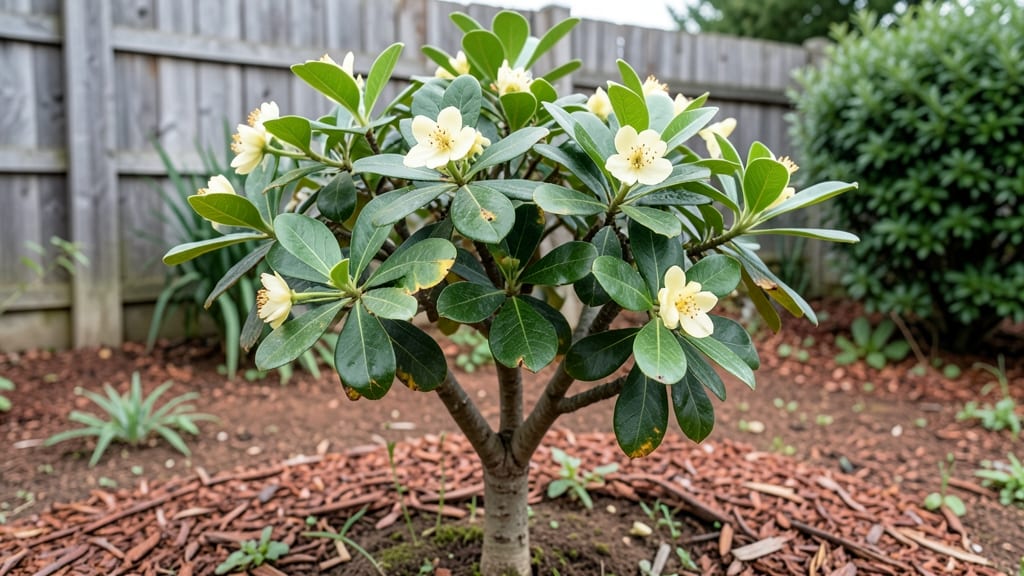
The loquat tree flower 🌸 thrives when pruned at the right time, turning your yard into a fragrant spring spectacle—but many gardeners miss the window.
Picture this: your Zone 9b loquat stands bare all winter, then suddenly bursts into clusters of white blossoms that smell like honey. That second flush happens only if you prune in late winter, not summer. Get it wrong, and you’ll end up with sparse blooms—or worse, no fruit at all.
Timing matters more than you think. Prune too early, and you cut off next year’s buds. Too late, and the tree wastes energy on new growth instead of flowers. Here’s how to nail the 3-step pruning process for maximum blooms, including when to feed and water for best results.
By the end, you’ll know exactly when to reach for those shears—plus how to spot the signs of a healthy loquat tree flower before the first petal falls.
Best time to prune loquat trees for spring flowers
Loquat trees (Eriobotrya japonica) produce their stunning white-to-pink blossoms in late winter, but the secret to a heavy flower display lies in precise dormant-season pruning. Pruning at the wrong time can reduce next year’s blooms by up to 40%, so timing is everything.
The ideal window is just before buds swell but after leaf drop, typically between late January and early March in most regions.
Your climate zone dictates the exact timing—cooler areas like Zone 6 may need to wait until March, while Zone 9b gardeners can prune as early as late January.
The goal is to stimulate new growth while the tree is still dormant, ensuring energy goes toward flower buds rather than foliage. Avoid pruning after buds swell, or you risk removing potential blooms before they open.
Here’s how climate zones and seasonal cues affect your pruning schedule:
| Climate Zone | Best Pruning Window | Key Timing Cues | Why It Matters |
|---|---|---|---|
| Zone 6 (Cold Winters) | Late March - Early April | After last frost, before buds swell | Prevents frost damage to new growth |
| Zone 7-8 (Mild Winters) | Late February - Mid-March | When 50% of leaves have dropped | Balances bloom stimulation and growth |
| Zone 9b+ (Warm Winters) | Late January - Early February | Before bud swelling, after light frosts | Encourages early spring blooms |
| Tropical (No Frost) | Late Winter (Dec-Jan) | After minor leaf drop, before rain | Avoids fungal risks from wet cuts |
In Zone 6, for example, pruning too early risks frost damage to fresh cuts, while waiting too long means the tree directs energy to leaf growth instead of flower buds.
Look for 50% leaf drop as your cue—this signals the tree is entering dormancy and ready for structural pruning. In warmer zones like Zone 9b, prune after any light winter frosts to avoid stressing the tree.
Another critical cue is the bud swelling stage. If you see green buds forming along branches, it’s too late to prune—those are your future flowers! Prune at least 4-6 weeks before buds swell to give the tree time to heal cuts and prepare for spring growth.
This timing ensures your loquat tree will reward you with a second flush of blooms later in the season, a trait common in well-pruned trees.
For young loquat trees (under 3 years old), focus on light shaping pruning to establish a strong central leader. Older trees benefit from thinning cuts to improve airflow and sunlight penetration, both of which boost flower production.
Avoid heavy pruning in the first year, as young trees need all their energy for root development. Instead, remove only dead or crossing branches.
If you miss the dormant-season window, don’t panic—you can do light pruning in early summer to shape the tree and remove water sprouts. However, summer pruning won’t stimulate as many flower buds as dormant-season cuts.
The key is to prioritize timing over frequency; one well-timed prune beats multiple poorly timed ones. Always use sterilized pruners to prevent bacterial infections that can weaken the tree and reduce blooms.
After pruning, apply a balanced fertilizer (like 6-6-6) to support new growth. Water deeply but avoid overwatering, which can cause root rot and stress the tree. Mulch around the base to retain moisture and regulate soil temperature.
With the right timing and care, your loquat tree will explode with fragrant blooms next spring, turning your garden into a floral paradise.
Pro tip: Take a before-and-after photo of your pruned tree. Compare it to last year’s structure—you’ll notice how open branches allow more sunlight and air circulation, both
Pruning techniques to boost loquat tree flower production
Pruning your loquat tree (Eriobotrya japonica) isn’t just about shaping its structure—it’s a direct pathway to more abundant flowers and fruit. The right cuts encourage new growth where flowers form, while poor pruning can leave your tree struggling.
Understanding heading cuts vs. thinning cuts is key to balancing air circulation and sunlight exposure, both critical for loquat tree flower production.
Loquat trees bloom on new wood, meaning pruning stimulates fresh growth where next year’s flowers will emerge. However, aggressive pruning can backfire—removing too much leaf surface reduces photosynthesis, starving the tree of energy for blooms.
The 3:1 rule (keeping 3 years of growth per branch) helps maintain this balance while promoting optimal flower production.
- Heading Cuts: Trim the tip of branches to encourage bushier growth and more flower buds. Ideal for young trees or branches needing denser foliage.
- Thinning Cuts: Remove entire weak or crossing branches to improve airflow and sunlight, reducing disease risk and boosting flower quality.
- Deadwood Removal: Cut out diseased or dead branches at the branch collar to prevent sap loss and redirect energy to healthy growth.
- Water Sprout Control: Prune vertical, fast-growing shoots (water sprouts) to maintain the tree’s natural shape and prevent energy waste.
- 3:1 Rule: Keep 3 years of growth per branch—older wood produces fewer flowers, while younger wood is where blooms thrive.
When pruning, aim for a 45-degree angle on cuts to promote faster healing and reduce infection risk. Avoid flush cuts (cutting too close to the trunk), as they expose the tree to pests and disease.
Instead, leave a small branch stub to protect the branch collar. This technique also helps the tree regenerate quicker, ensuring a stronger flowering flush next season.
Aggressive pruning—like removing more than 30% of the canopy—can temporarily reduce fruit yield but often boosts flower production long-term by rejuvenating the tree. However, light pruning (10-20% of the canopy) is safer for established trees, as it maintains a steady balance between fruit and flower output.
Always prune during the dormant season (late winter) to minimize stress on the tree.
After pruning, apply a balanced fertilizer (6-6-6 NPK) to replenish nutrients lost during the process. Focus on root zone fertilization to encourage robust regrowth. Pair this with deep watering to help the tree recover faster, setting the stage for a prolific bloom in the following spring.
Monitor your loquat tree post-prune for signs of stress or recovery, like new leaf growth or swollen buds. These are positive indicators that your pruning efforts are paying off. With the right techniques, your tree will reward you with show-stopping loquat tree flowers and a harvest to savor. 🌸